A somber milestone has been reached, marking a decade since the United Nations Security Council unanimously adopted Resolution 2286, a pivotal measure intended to fortify the protection of healthcare in the throes of armed conflict. Yet, instead of celebrating progress, the international community finds itself confronting a stark and distressing reality: the very harms this resolution sought to prevent have not only persisted but, in numerous global contexts, have intensified dramatically. This grim anniversary is not a testament to achievement but a poignant reminder of collective failure, prompting an urgent, unified call to action from the highest echelons of global humanitarian and health leadership.
At the heart of this renewed appeal are the heads of three preeminent international organizations: the President of the International Committee of the Red Cross (ICRC), the Director-General of the World Health Organization (WHO), and the International President of Médecins Sans Frontières (MSF). Their joint statement underscores a profound disappointment and a desperate plea for renewed commitment to principles that are increasingly disregarded. Ten years ago, the adoption of Resolution 2286 was heralded as a beacon of hope, a clear affirmation by the world's most powerful body that attacks on medical facilities, transport, and personnel are unacceptable and constitute grave violations of international law. It was a moment when the international community seemingly united to safeguard the sanctity of healthcare, even amidst the brutality of war.
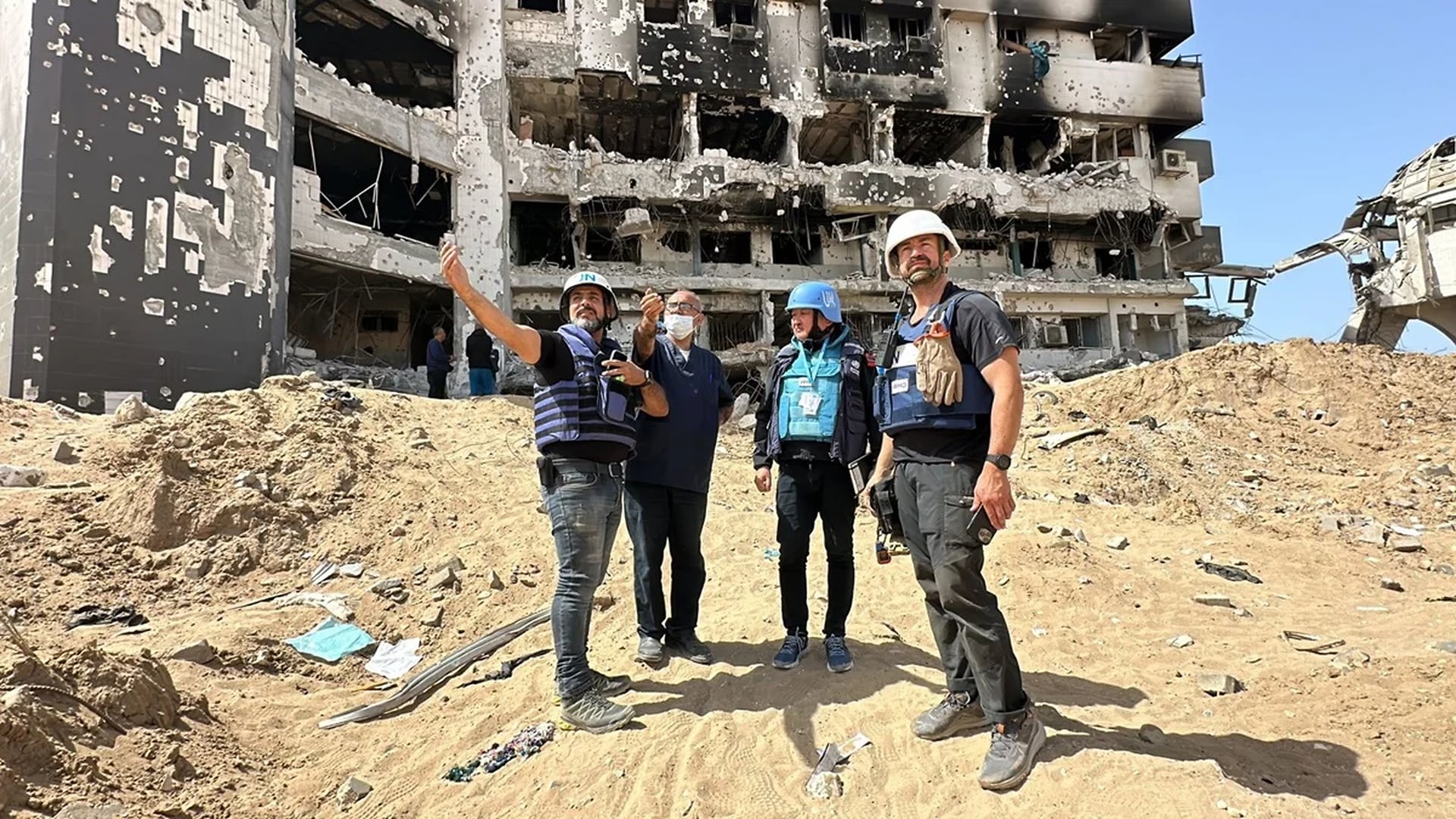
However, the intervening years have painted a picture far removed from the aspirations of that resolution. Reports from conflict zones across continents consistently detail a relentless onslaught against medical infrastructure and dedicated healthcare providers. Hospitals, once considered sanctuaries, are now frequently targets or caught in the crossfire. Ambulances, symbols of urgent care, are obstructed, attacked, or commandeered. Medical personnel, who uphold their ethical duty to treat all who need care regardless of affiliation, face threats, violence, abduction, and even death. This systematic erosion of medical neutrality not only violates international humanitarian law but also inflicts unimaginable suffering on civilian populations already grappling with the horrors of conflict.
The consequences of this unchecked violence are catastrophic. When healthcare systems collapse under sustained assault, preventable diseases surge, injuries go untreated, and chronic conditions become fatal. Children are deprived of vaccinations, pregnant women lose access to vital maternal care, and the wounded are left to succumb to their injuries. The long-term ripple effects extend far beyond immediate casualties, crippling societies for generations by undermining public health infrastructure, fostering deep-seated mistrust, and forcing mass displacement as people flee areas where basic life-saving services are nonexistent. The very fabric of community resilience is torn apart, leaving populations vulnerable and without recourse.
International humanitarian law (IHL) explicitly mandates the protection of medical facilities, transport, and personnel in armed conflict. This protection is not conditional; it is a fundamental tenet designed to preserve a minimum of humanity during war. Resolution 2286 was meant to reinforce these existing legal obligations, urging states to take concrete steps to prevent violence against healthcare, ensure accountability for perpetrators, and facilitate safe access to care for all in need. Yet, the stark reality is that these provisions are routinely flouted with alarming impunity, signaling a dangerous normalization of what should be universally condemned war crimes.
The joint call from the ICRC, WHO, and MSF serves as an urgent reminder to all parties to conflict, and to the states that influence them, of their solemn obligations. They are demanding not just rhetorical condemnation but tangible action: an immediate cessation of attacks on healthcare, robust investigations into all alleged violations, and the prosecution of those responsible. Furthermore, they emphasize the critical need for unhindered humanitarian access, allowing aid organizations to reach affected populations with vital medical supplies, personnel, and services without fear of obstruction or attack. This call is a plea for the restoration of respect for human life and dignity in the most challenging environments.
Several factors contribute to the persistent failure to uphold Resolution 2286. A glaring lack of political will among powerful states to enforce accountability mechanisms often allows perpetrators to act without consequence. The evolving nature of modern conflicts, characterized by non-state armed groups, urban warfare, and the blurring lines between combatants and civilians, presents complex challenges. Moreover, the deliberate targeting of healthcare as a tactic of war, aimed at demoralizing populations or gaining strategic advantage, represents a profound moral and legal transgression that has become disturbingly prevalent. The international community's inability to adapt its enforcement strategies to these new realities has left healthcare workers and patients dangerously exposed.
Addressing this crisis demands a multi-faceted approach. States must integrate stronger protections for healthcare into their military doctrines and training, ensuring that all armed forces understand and adhere to IHL. International bodies need to enhance monitoring and reporting mechanisms, providing accurate data on attacks to inform policy and advocacy. Diplomatic pressure must be consistently applied to parties responsible for violations, coupled with sanctions or other punitive measures where appropriate. Furthermore, investing in local healthcare capacity and resilience in fragile settings is crucial, empowering communities to rebuild and sustain their own health systems even in the face of adversity.
The Nivaran Foundation stands in solidarity with this urgent global appeal. The right to health is a universal human right, and its denial, particularly in times of conflict, represents a profound injustice. Protecting healthcare in war zones is not merely a humanitarian gesture; it is a strategic imperative for global stability and human dignity. When medical neutrality is respected, it creates a vital space for dialogue, trust, and the eventual rebuilding of societies. The ongoing disregard for these fundamental principles undermines the very foundations of international law and humanitarian ethics, setting a perilous precedent for future conflicts.
The decade since Resolution 2286 was adopted should have been a period of demonstrable progress in safeguarding the most vulnerable. Instead, it has become a stark illustration of how international commitments can falter without sustained political will and rigorous enforcement. The joint call from the ICRC, WHO, and MSF is a clarion call to conscience, urging governments, armed groups, and the global public to recognize the gravity of the situation and demand immediate, decisive action. The lives of millions depend on the international community's ability to transform this moment of shared failure into a renewed, unwavering commitment to protecting healthcare, everywhere and always.
Support Nivaran Foundation's efforts to advocate for the protection of healthcare workers and facilities in conflict zones worldwide.
Talk to Nivaran Global