
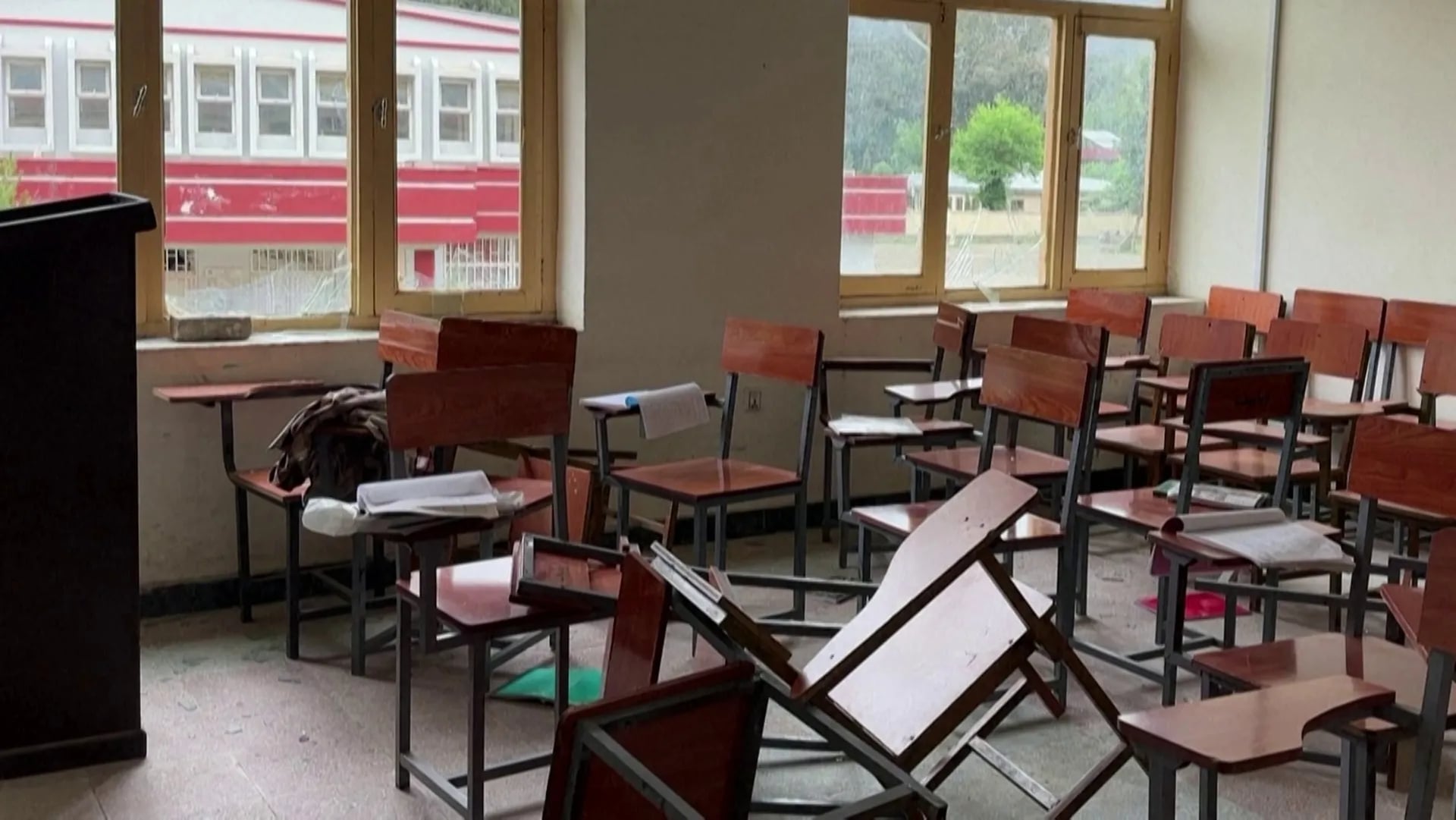
The tranquility of a Monday morning on an Afghan university campus was violently shattered by the sudden impact of a missile, plunging students and faculty into a terrifying ordeal. What began as a routine academic day quickly devolved into a scene of chaos and panic, leaving behind a trail of physical destruction and profound psychological trauma. Students, engrossed in lectures or preparing for exams, found their lives irrevocably altered in an instant, their aspirations for education and a brighter future momentarily eclipsed by the grim reality of conflict.
Eyewitness accounts, pieced together from the harrowing experiences of those present, paint a vivid picture of the immediate aftermath. The deafening explosion, followed by the collapse of structures and a pervasive cloud of dust and smoke, sent shockwaves through the campus. Students described a desperate scramble for safety, a frantic rush to escape the immediate danger, often stepping over debris and aiding injured peers. The air was thick with the cries of the wounded and the terrified shouts of those seeking loved ones. For many, the memory of that moment, the visceral fear and confusion, will undoubtedly linger for years, a stark reminder of the fragility of peace in a region perpetually on edge.
The physical damage to the university infrastructure was extensive. Classrooms, laboratories, and administrative offices bore the brunt of the attack, with walls crumbling, windows shattered, and equipment rendered unusable. Libraries, once repositories of knowledge and quiet study, were reduced to piles of rubble and scattered, damaged texts. This destruction extends beyond mere material loss; it represents a direct assault on the very foundations of learning and intellectual growth. The immediate consequence was the suspension of all academic activities, abruptly halting the educational journey for thousands of students and disrupting the vital work of countless educators.
While officials in Afghanistan swiftly attributed the attack to Pakistan, citing escalating regional tensions, the incident underscores a deeply troubling pattern where civilian infrastructure, particularly educational institutions, becomes collateral damage or even deliberate targets in broader conflicts. This attribution, though part of a complex geopolitical narrative, highlights how external disputes can have devastating internal consequences, directly impacting the lives and futures of innocent civilians striving for normalcy and progress.
Afghanistan's education system has, for decades, grappled with immense challenges, a legacy of prolonged conflict, underinvestment, and societal upheaval. Even before this latest strike, universities and schools struggled with inadequate funding, dilapidated infrastructure, and a shortage of qualified personnel. Access to education, particularly for girls and in remote areas, remains a significant hurdle. This missile attack did not merely inflict new damage; it exacerbated an already precarious situation, pushing an already fragile system closer to the brink and further diminishing the hopes of a generation yearning for stability and opportunity.
The long-term repercussions for the students and the nation are profound. The disruption of academic calendars means delays in graduation, potentially impacting career prospects and the ability to contribute to national development. Beyond the academic setback, the psychological toll on survivors is immense. Many will contend with post-traumatic stress, anxiety, and depression, requiring extensive psychosocial support that is often scarce in conflict-affected regions. Furthermore, such attacks fuel a brain drain, as talented students and academics, disillusioned by the constant threat to their safety and future, seek educational and professional opportunities in more stable environments, thereby depriving Afghanistan of its most valuable human capital.
Educational institutions, by their very nature, are meant to be sanctuaries of learning, critical thinking, and intellectual exchange. Yet, in conflict zones around the world, they frequently become vulnerable targets, violating international humanitarian laws that mandate the protection of civilian sites. The targeting of universities and schools is not just a physical assault; it is a symbolic attack on the future, an attempt to undermine the very fabric of society by denying young people the tools and knowledge necessary for peace and prosperity. It sends a chilling message that even the pursuit of education is not safe.
From Nivaran Foundation's global perspective, the attack on this Afghan university is a stark reminder that the protection of education is a universal imperative. Such incidents are not isolated local tragedies but symptoms of a global crisis where conflict disproportionately impacts the most vulnerable, particularly children and youth. Our mission to safeguard and promote education in crisis zones worldwide is driven by the conviction that access to learning is a fundamental human right and a powerful catalyst for peace and sustainable development. When universities are attacked, the global community's collective future is diminished.
The immediate humanitarian response must prioritize medical aid for the injured and comprehensive psychosocial support for all affected students and faculty. In the longer term, sustained international assistance will be crucial for rebuilding the damaged infrastructure, replacing lost resources, and ensuring the continuity of education. This involves not just financial aid but also expertise in trauma-informed care and educational recovery strategies. Rebuilding trust and a sense of security within the academic community will be a monumental, but essential, undertaking.
Despite the devastation, there is an undeniable spirit of resilience among Afghan students and educators. Their unwavering determination to continue learning and teaching, even in the face of such adversity, is a testament to the enduring human desire for knowledge and progress. Stories of students organizing makeshift study groups or faculty members finding alternative ways to deliver lessons highlight a profound commitment to education that transcends the immediate challenges and offers a glimmer of hope for recovery.
It is imperative that the international community unequivocally condemns such attacks and works collaboratively to strengthen protections for educational facilities in conflict-affected regions. Advocacy for adherence to international humanitarian law and sustained diplomatic efforts to de-escalate tensions are vital. Furthermore, long-term, predictable support for education in countries like Afghanistan is not merely an act of charity but a strategic investment in global peace, stability, and human development.
The missile strike on the Afghan university serves as a poignant and urgent reminder of the profound human cost of conflict and the critical importance of safeguarding educational spaces. The dreams and aspirations of a generation hang in the balance, underscoring the imperative for collective action to ensure that universities remain beacons of hope and learning, rather than becoming targets in a world too often consumed by violence. The future of Afghanistan, and indeed the world, depends on protecting these vital institutions and the students who seek knowledge within their walls.
Support Nivaran Foundation's global efforts to safeguard education and health for vulnerable communities in crisis-affected regions worldwide.
Talk to Nivaran Global