
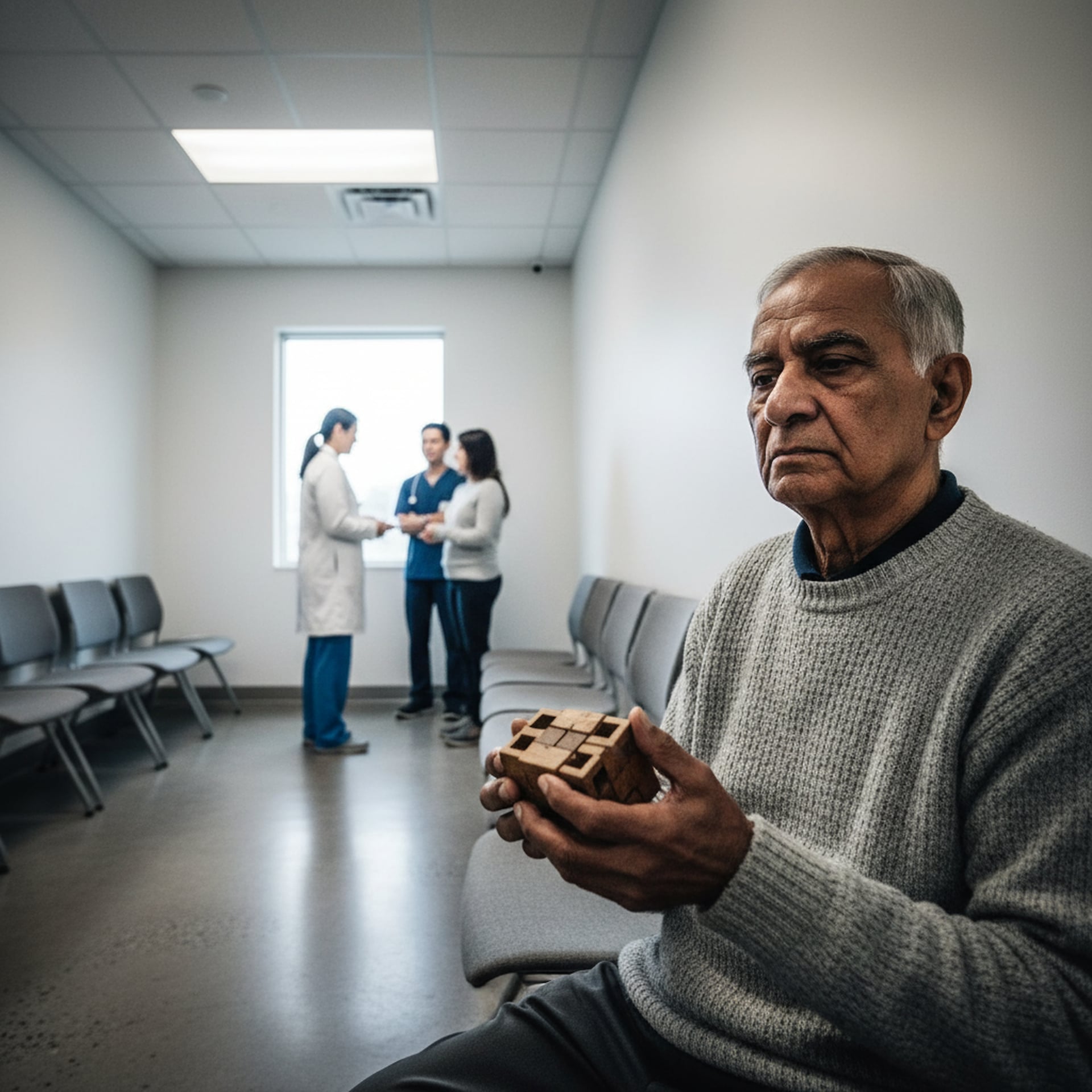
The global health landscape increasingly recognizes the diverse needs of its aging population. However, one significant demographic remains largely overlooked: older adults living with autism spectrum disorder (ASD). For decades, autism research and clinical practice focused primarily on childhood diagnosis and intervention, leaving a substantial cohort to navigate adulthood and old age without adequate recognition or support within conventional healthcare systems. As diagnostic understanding evolves, it becomes clear that millions worldwide are aging on the spectrum, facing unique challenges demanding urgent attention and systemic adaptation. The failure to acknowledge and address their specific health and social needs represents a critical blind spot in global healthcare provision, leading to preventable suffering, exacerbated health disparities, and significant societal costs. This issue transcends geographical boundaries, calling for a unified, international effort to integrate neurodiversity-affirming practices into geriatric care and broader public health strategies.
The historical invisibility of older adults with autism is multifaceted. Prior to modern diagnostic criteria, many individuals, particularly women and those with less pronounced support needs, developed sophisticated coping mechanisms, often called "masking," to blend into neurotypical society. This camouflage frequently led to missed diagnoses or misdiagnoses, with their unique presentation attributed to personality quirks, anxiety, depression, or even early-onset dementia. Diagnostic criteria have also evolved; many older adults grew up when autism was narrowly defined, making it difficult to identify more subtle manifestations. Consequently, a significant portion has reached their senior years without an accurate diagnosis, lacking a framework to understand their experiences or access appropriate support. This profoundly impacts their engagement with healthcare, as their underlying neurodivergence remains unaddressed, complicating the management of both physical and mental health conditions.
Older adults with autism face a constellation of health challenges often compounded by the healthcare system's lack of understanding. Physically, they may experience higher rates of chronic conditions such as gastrointestinal disorders, epilepsy, sleep disturbances, and cardiovascular issues. However, their unique symptom presentation can lead to misinterpretation or delayed diagnosis. For instance, an autistic individual might struggle to articulate pain or discomfort, or their sensory sensitivities could make diagnostic procedures unbearable, leading to avoidance of necessary medical care. Mentally, the burden is equally significant. High rates of anxiety, depression, and suicidal ideation are prevalent, often stemming from a lifetime of social isolation, bullying, and the exhaustion of masking. The challenges of navigating complex social interactions, combined with a potential lack of meaningful social connections, contribute to profound loneliness. The aging process itself, with its associated changes in routine and loss, can be particularly destabilizing for autistic individuals who thrive on predictability. Without a diagnosis, these mental health struggles are frequently treated in isolation, missing the underlying neurodevelopmental context.
The current global healthcare infrastructure is largely ill-equipped to meet the needs of older adults with autism. A fundamental deficiency lies in the lack of specialized training among healthcare professionals. Geriatricians, general practitioners, and specialists often lack comprehensive knowledge regarding autism in older age, the impact of sensory sensitivities on clinical encounters, or effective communication strategies for neurodiverse patients. This knowledge gap leads to frustrating and unproductive interactions, where patients feel misunderstood or overwhelmed, and clinicians struggle to gather accurate information. Diagnostic tools, originally designed for children, are rarely adapted for an aging population, making late-life diagnosis complex. Moreover, the physical environments of many clinics and hospitals are inherently challenging for autistic individuals. Bright lighting, loud noises, crowded waiting rooms, and unpredictable schedules can trigger sensory overload, making routine appointments a source of immense distress. The prevailing model of care often focuses on symptom management rather than a holistic, neurodiversity-affirming approach, compromising care quality and eroding trust.
Addressing this critical gap requires a multi-pronged, globally coordinated strategy. Firstly, increased research into autism across the lifespan, focusing on the aging process, co-occurring conditions, and effective interventions for older adults, is urgently needed. This research must inform the development of age-appropriate diagnostic tools and evidence-based care guidelines. Secondly, comprehensive training programs for all healthcare professionals are essential, covering diverse presentations of autism in older adults, sensory considerations, communication techniques, and neurodiversity-affirming care principles. Thirdly, healthcare environments must be made more accessible and accommodating, including "sensory-friendly" waiting areas, quieter appointment times, and clear visual schedules. Policy changes are also crucial: governments and health organizations worldwide must recognize autism as a lifelong condition requiring continuous support and integrate this understanding into national health strategies and funding allocations. The role of family caregivers, who often serve as vital advocates, also needs to be supported with respite and training.
Beyond the ethical imperative, there is a compelling economic and social case for investing in the recognition and support of older adults with autism. Unaddressed health issues, exacerbated mental health conditions, and a lack of appropriate social support lead to higher rates of emergency room visits, prolonged hospital stays, and increased reliance on crisis interventions, all incurring significant costs. Conversely, proactive, person-centered care can improve health outcomes, enhance quality of life, and potentially reduce the long-term economic burden. Fostering inclusive communities that understand and accommodate neurodiversity allows older autistic individuals to contribute their unique talents and perspectives, enriching society as a whole. International collaboration is vital for sharing best practices, pooling research resources, and advocating for universal standards of care. Organizations like the Nivaran Foundation are instrumental in driving this global dialogue, pushing for policy reforms, and raising awareness about the urgent need to support this often-forgotten population.
The global community stands at a critical juncture in its understanding and response to autism. The time has come to extend our focus beyond childhood and adolescence to embrace the full lifespan, particularly recognizing the profound and often unaddressed needs of older adults on the spectrum. Their journey through a world largely designed for neurotypical individuals, often without the benefit of a diagnosis or tailored support, highlights a systemic failure that demands immediate rectification. By investing in research, professional training, accessible environments, and inclusive policies, healthcare systems worldwide can transform from barriers into allies. Nivaran Foundation advocates for a future where every older adult with autism receives the recognition, understanding, and high-quality care they deserve, ensuring that aging with neurodiversity is met with informed compassion and unwavering support across the globe. This is not merely a medical challenge; it is a fundamental human rights issue that calls for a collective, global commitment to inclusivity and equity in health.
Support Nivaran Foundation's global initiatives to advocate for inclusive healthcare policies that recognize and support neurodiverse older adults worldwide.
Talk to Nivaran Global