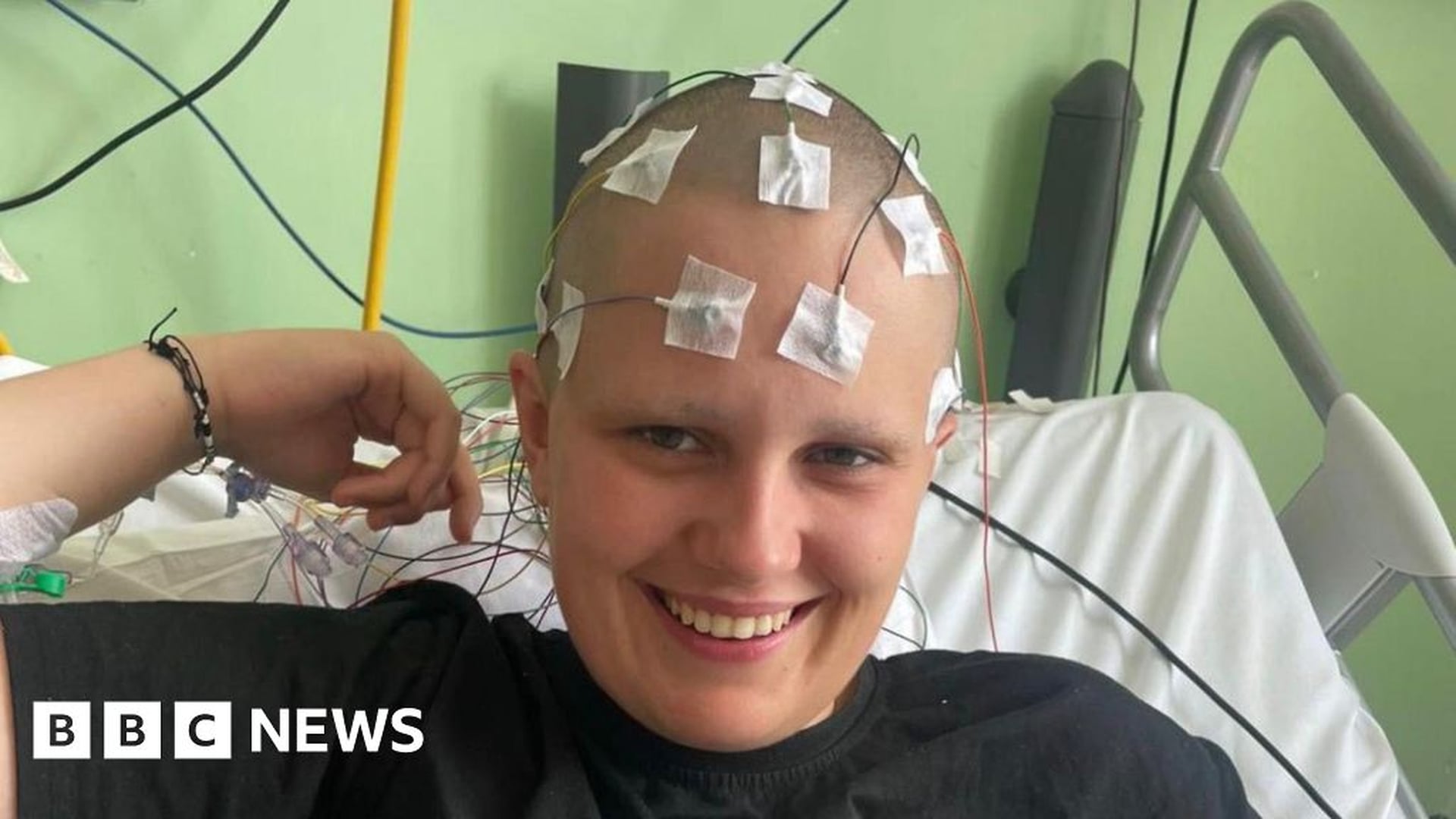
In a remarkable turn of events that underscores the rapidly evolving landscape of global healthcare, a patient's years-long struggle with an undiagnosed, rare medical condition was brought to an end not by traditional medical channels, but by the unexpected intervention of artificial intelligence. This pivotal case, involving a woman named Phoebe, highlights the profound potential of AI tools like ChatGPT to revolutionize diagnostic processes, particularly in complex and elusive medical scenarios where human expertise has reached its limits.
Phoebe's ordeal began years prior, marked by a perplexing array of symptoms that defied easy explanation. Her journey was a harrowing odyssey through countless medical consultations, specialist visits, and diagnostic tests, each yielding no definitive answers. As her condition deteriorated, her quality of life diminished significantly, leaving her in a state of chronic discomfort and uncertainty. The emotional and psychological toll of living with an undiagnosed illness, coupled with the frustration of being repeatedly dismissed or misunderstood by medical professionals, pushed her to the brink. In a particularly distressing instance, she was reportedly informed that if she continued to present at emergency departments without a clear diagnosis, her case would be reclassified under mental health concerns – a common, yet deeply problematic, outcome for patients with obscure physical ailments.
This critical juncture, where conventional medicine seemed to offer no further recourse, prompted a desperate search for alternative solutions. It was then that the idea of consulting an AI language model, specifically ChatGPT, emerged. With a comprehensive compilation of her medical history, a detailed list of her persistent symptoms, and the results of various tests, Phoebe or a close family member meticulously fed this vast amount of data into the AI. The intention was not to bypass medical professionals entirely, but to leverage the AI's capacity for pattern recognition and information synthesis in a way that human practitioners, constrained by time, cognitive biases, and the sheer volume of medical knowledge, might struggle to replicate.
The AI's response was nothing short of astonishing. After processing the extensive information, ChatGPT did not merely offer a generic list of possibilities. Instead, it generated a highly specific and nuanced set of potential diagnoses, including one rare condition that had never been considered by any of the numerous doctors Phoebe had consulted. This particular suggestion was accompanied by a rationale that connected her disparate symptoms in a coherent, medically plausible framework, drawing upon a vast dataset of medical literature and case studies that would be impossible for any single human to master.
Armed with this new, AI-generated lead, Phoebe returned to the medical system, this time with a concrete hypothesis. The specificity of the AI's suggestion prompted doctors to conduct new, targeted investigations and consult specialists with expertise in the previously unconsidered condition. These focused efforts ultimately validated the AI's insight, leading to an accurate diagnosis of the rare illness that had plagued Phoebe for so long. The relief was immense, not only for the confirmation of a physical ailment but also for escaping the looming prospect of being mislabeled and treated for a mental health condition, which would have entirely failed to address her underlying physiological issues.
This case serves as a powerful testament to the transformative potential of artificial intelligence in healthcare, particularly in the realm of diagnostics. Rare diseases, by their very nature, present significant challenges. Their symptoms can be vague, mimic more common conditions, or manifest in highly individualized ways, making them notoriously difficult to identify. The average diagnostic delay for a rare disease can span years, during which patients endure immense suffering, undergo unnecessary treatments, and face significant psychological distress. AI, with its ability to rapidly process and cross-reference vast amounts of complex data, offers a promising avenue to shorten these diagnostic odysseys, improving patient outcomes and quality of life.
However, the integration of AI into global healthcare is not without its complexities and ethical considerations. While the benefits are clear, questions surrounding data privacy, algorithmic bias, and the ultimate responsibility for AI-driven diagnoses must be carefully addressed. AI models are trained on existing medical data, which can reflect historical biases or be incomplete, potentially leading to misdiagnoses or exacerbating health disparities if not meticulously managed. Furthermore, the regulatory frameworks for AI in medicine are still nascent, requiring robust development to ensure patient safety and accountability.
It is crucial to view AI not as a replacement for human medical professionals, but as a powerful assistive tool. The human element – the empathy, critical thinking, nuanced interpretation of patient context, and the ability to build trust – remains indispensable. AI can sift through data, identify patterns, and suggest possibilities, but it is the skilled clinician who must interpret these insights, integrate them with their understanding of the patient, and make informed decisions. The future of global health likely lies in a collaborative model, where AI augments human capabilities, allowing doctors to focus more on patient care and complex problem-solving rather than exhaustive data analysis.
From a global perspective, the implications are particularly significant. In many parts of the world, access to specialized medical expertise and advanced diagnostic tools is severely limited. AI-powered diagnostic support could help democratize access to high-quality medical insights, enabling healthcare providers in underserved regions to identify rare or complex conditions more efficiently. This could bridge critical gaps in healthcare equity, ensuring that geographical location or socioeconomic status does not dictate access to accurate diagnoses.
As AI technology continues to advance, its role in healthcare will undoubtedly expand beyond diagnostics to personalized treatment plans, drug discovery, and predictive analytics. The case of Phoebe stands as a beacon, illustrating the immediate and tangible benefits that AI can bring to individual lives. It challenges the conventional boundaries of medical practice and compels the global health community to embrace these innovations responsibly, ensuring they are developed and deployed ethically and equitably to serve all humanity. The journey towards a fully integrated AI-assisted healthcare system is long, but the promise of ending years of suffering for countless patients makes it a path worth pursuing with diligence and foresight.
Support Nivaran Foundation's initiatives to integrate innovative technologies, ensuring equitable access to advanced diagnostic tools for global health equity.
Talk to Nivaran Global