
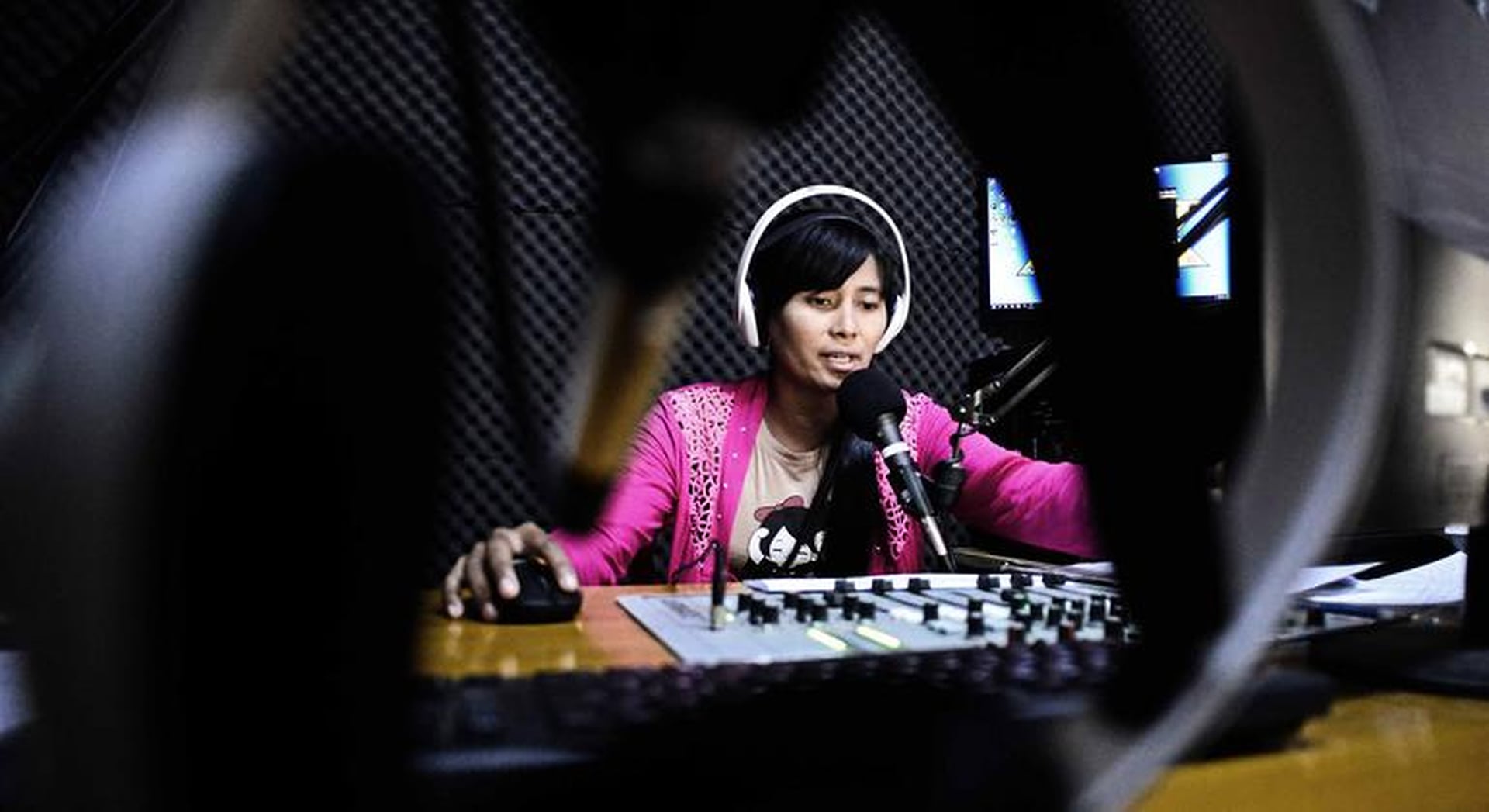
The digital landscape, once hailed as a frontier for free expression and information dissemination, has increasingly become a battleground for women journalists, with a recent study revealing a disturbing escalation in online violence. Reports indicate that instances of digital harassment and abuse targeting women in the media profession have doubled since 2020, a trend exacerbated significantly by the advent and proliferation of artificial intelligence technologies. This alarming surge, highlighted ahead of World Press Freedom Day, underscores a critical threat to the health, well-being, and professional integrity of women journalists globally, with profound implications for the future of independent reporting and democratic discourse.
The nature of this online violence is multifaceted and insidious, ranging from coordinated harassment campaigns and doxing to gendered disinformation and explicit threats. What makes the current wave particularly concerning is the role of AI, which has transformed the scale and sophistication of these attacks. AI-powered tools can generate deepfake images and videos, manipulate audio, and craft highly personalized, credible-looking false narratives, making it exponentially easier and more damaging to target individuals. These technologies enable perpetrators to create and disseminate fabricated content that can severely damage a journalist's reputation, credibility, and personal safety, often with a speed and reach previously unimaginable. Automated bots and algorithms can amplify hateful content, overwhelming victims and making it nearly impossible to counter the deluge of abuse.
The impact on the health and well-being of women journalists is devastating. Constant exposure to threats, misogynistic slurs, and character assassinations takes a severe toll on mental health, leading to heightened levels of stress, anxiety, depression, and even post-traumatic stress disorder (PTSD). Many report experiencing sleep disturbances, concentration difficulties, and a pervasive sense of fear, not only for themselves but also for their families. The psychological burden is compounded by the feeling of isolation and the often inadequate support systems. This persistent digital assault can manifest physically, contributing to chronic fatigue, headaches, and other stress-related ailments, fundamentally eroding their quality of life and professional longevity. The relentless nature of online abuse means there is often no escape, blurring the lines between professional and personal life and turning what should be a safe space into a source of constant vigilance and dread.
Beyond individual suffering, this escalating violence poses a direct threat to press freedom and the public's right to information. When women journalists are systematically targeted, they are often forced to self-censor, withdraw from reporting on sensitive topics, or even leave the profession entirely. This chilling effect disproportionately impacts coverage of critical issues such as gender equality, human rights, corruption, and political accountability, where women journalists often provide unique and essential perspectives. The loss of these diverse voices impoverishes the global media landscape, creating information vacuums and allowing dominant narratives to go unchallenged. It undermines the very foundation of a free press, which relies on the ability of journalists to report without fear or favor, and ultimately compromises the public's ability to make informed decisions in democratic societies.
The societal implications extend further, impacting the broader fight for gender equality and the health of democratic institutions worldwide. The targeting of women journalists is not merely an occupational hazard; it is a manifestation of systemic misogyny and an attempt to silence women in public life. By driving women out of journalism, these attacks reinforce patriarchal structures and diminish the representation of women in positions of influence and public discourse. This creates a vicious cycle where the absence of women's voices in media further normalizes their marginalization, making it harder to address gender-based violence and inequality in other spheres. Furthermore, the proliferation of AI-generated disinformation, often weaponized against women journalists, erodes public trust in legitimate news sources, making societies more vulnerable to manipulation and polarization.
The global nature of this crisis cannot be overstated. From seasoned war correspondents to local investigative reporters, women journalists across all continents and media platforms are experiencing similar patterns of abuse. While the specific cultural and political contexts may vary, the underlying mechanisms of online harassment and the amplified impact of AI remain consistent. In some regions, the digital threats can quickly translate into physical danger, with online doxing leading to real-world stalking or attacks. In others, the psychological toll is compounded by a lack of legal recourse or institutional support, leaving victims feeling helpless and unprotected. This global commonality necessitates a unified, international response that transcends national borders and cultural divides.
Addressing this complex challenge requires a multi-pronged, collaborative approach involving governments, technology companies, media organizations, and civil society. Technology companies, as the architects and custodians of digital platforms, bear a significant responsibility to design safer online spaces. This includes investing in robust content moderation systems, developing ethical AI guidelines, enhancing transparency around algorithmic amplification, and providing effective reporting mechanisms for abuse. Governments must enact and enforce stronger legal frameworks to protect journalists, investigate online crimes, and hold perpetrators accountable, while ensuring these measures do not infringe on legitimate free speech. International cooperation is vital to tackle cross-border harassment and ensure legal protections for journalists operating globally.
Media organizations, for their part, must prioritize the digital safety and well-being of their women journalists. This involves providing comprehensive digital security training, establishing clear internal policies for responding to online abuse, offering psychological support services, and fostering a culture of solidarity and protection. Civil society organizations and advocacy groups play a crucial role in monitoring online violence, raising public awareness, and providing direct support to victims. Furthermore, investing in digital literacy education for the general public is essential to empower individuals to critically assess information, identify disinformation, and resist participating in or amplifying online harassment.
In conclusion, the escalating online abuse against women journalists, supercharged by artificial intelligence, represents a grave threat to individual health, professional integrity, and the fundamental principles of press freedom globally. As the world marks World Press Freedom Day, it is imperative that we recognize the urgency of this crisis and commit to collective action. Protecting women journalists is not merely an act of solidarity; it is an essential investment in the health of our information ecosystems, the robustness of our democracies, and the pursuit of a more equitable and informed global society. The time for decisive intervention is now, to ensure that the digital realm becomes a space for empowerment and information, not intimidation and silence.
Support Nivaran Foundation's efforts to champion global health and education, including the digital safety of professionals, by donating today.
Talk to Nivaran Global