
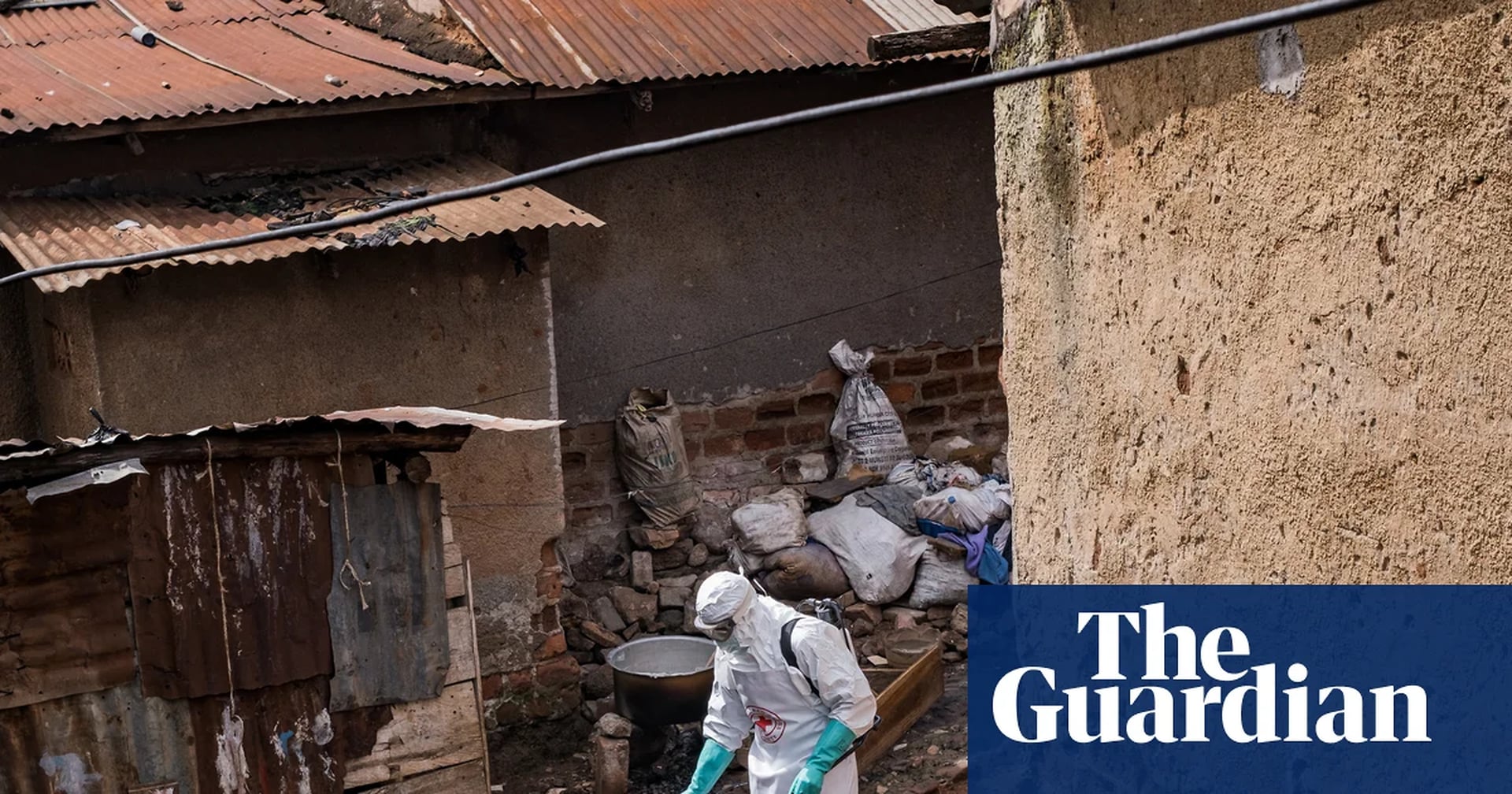
The Democratic Republic of Congo (DRC) is grappling with a rapidly escalating Ebola outbreak in its eastern provinces, a crisis compounded by a concerning reduction in international aid. Health workers on the ground are issuing urgent warnings that weakened global support is not only hindering immediate containment efforts but is also making a prolonged and potentially devastating regional crisis increasingly probable. Since its onset earlier this month in Ituri province, the deadly virus, known to claim the lives of approximately half of those it infects, is suspected to have already caused at least 240 fatalities, painting a grim picture of the challenges ahead.
At the heart of this latest outbreak lies Ituri province, a region that presents a formidable environment for disease containment. Ituri is a significant mining hub, where thousands of individuals work in close proximity daily, fostering conditions ripe for rapid viral transmission. Adding to this complexity, the province is a volatile conflict zone, plagued by ongoing fighting between various rebel groups. This pervasive insecurity not only endangers the lives of residents but also severely restricts the movement and effectiveness of public health officials and medical teams attempting to reach affected communities and implement crucial interventions. The existing medical infrastructure in these areas is often modest, further exacerbating the difficulties in providing adequate care and isolation for patients.
The humanitarian fallout from the conflict has created another critical vector for the virus's spread. Waves of internally displaced people (IDPs) are forced to seek refuge in overcrowded camps, where living conditions are often unsanitary and social distancing is virtually impossible. These densely populated environments become fertile ground for the swift propagation of Ebola, making contact tracing and isolation efforts extraordinarily challenging. The constant movement of populations, driven by both economic necessity in mining areas and the imperative to escape violence, further complicates the task of tracking the virus's trajectory and breaking chains of transmission.
Ebola, a severe and often fatal illness in humans, is caused by infection with one of the Ebola virus species. It is transmitted to people through direct contact with the blood, secretions, organs, or other bodily fluids of infected animals, and from person to person through direct contact with bodily fluids of infected people and contaminated surfaces and materials. The high fatality rate and the rapid onset of symptoms necessitate an immediate, robust, and coordinated public health response, including rapid diagnosis, isolation of cases, contact tracing, and community engagement to ensure safe burial practices and adherence to health guidelines.
Alarmingly, the virus has already demonstrated its capacity for wider dissemination, spreading beyond its initial epicenter in Ituri to other regions within eastern DRC. More critically, cases have been reported in Kampala, the capital of neighboring Uganda. This cross-border transmission underscores the urgent regional threat posed by the outbreak and highlights the interconnectedness of global health security. An uncontrolled outbreak in one nation can quickly spill over, overwhelming the health systems of adjacent countries and potentially destabilizing an entire sub-region already contending with numerous socio-economic and political challenges.
The reduction in international aid at such a critical juncture is particularly devastating. Weakened global support translates directly into fewer resources for essential public health interventions. This includes a diminished capacity for robust surveillance systems, which are crucial for early detection and rapid assessment of new cases. It also means fewer rapid response teams—comprising epidemiologists, doctors, nurses, and logisticians—who are vital for deploying quickly to outbreak sites, providing medical care, and establishing containment measures. The cornerstone of Ebola control, meticulous contact tracing, becomes significantly hampered without adequate funding and personnel, allowing the virus to spread undetected within communities.
Furthermore, aid cuts directly impact the ability to establish and maintain fully functional Ebola Treatment Units (ETUs), which are critical for isolating patients, providing specialized care, and preventing nosocomial transmission. Fewer resources mean fewer beds, less essential medical equipment, and a shortage of trained healthcare professionals who can safely manage highly infectious cases. Community engagement and public awareness campaigns, which are indispensable for building trust, dispelling misinformation, and encouraging safe health practices, also suffer from funding shortfalls. This erosion of community trust can lead to resistance against health interventions, further complicating containment efforts and prolonging the crisis.
The ripple effects of an uncontained Ebola outbreak extend far beyond the immediate health crisis. It fuels widespread fear, disrupts social cohesion, and places immense strain on communities already made vulnerable by conflict and displacement. Economically, the outbreak can cripple local markets, disrupt essential services, and deter investment, exacerbating poverty and instability. The cycle of disease, conflict, and economic hardship becomes more entrenched, creating a long-term humanitarian crisis that is far more costly to address than proactive prevention and containment.
History offers stark lessons from previous Ebola outbreaks, notably the devastating West African epidemic of 2014-2016. That crisis underscored the absolute necessity of early, robust, and sustained international intervention. Delaying or underfunding the response proved to be a catastrophic error, leading to a much larger death toll and a far more complex, expensive, and prolonged recovery effort. The current situation in the DRC serves as a stark reminder that short-sighted aid cuts are not only ethically questionable but are ultimately counterproductive and economically unsound, leading to greater suffering and higher costs in the long run.
Responding to this outbreak is not merely an act of charity; it is an ethical imperative and a critical component of global health security. An uncontrolled infectious disease outbreak anywhere poses a potential threat everywhere. Investing in the containment of Ebola in the DRC today is an investment in protecting lives, stabilizing a fragile region, and safeguarding global public health from future pandemics. It requires a renewed commitment from international donors and governments to provide the necessary financial and logistical support.
As the virus continues its relentless spread, the world stands at a critical juncture. The choice is clear: either provide decisive and sustained support to health workers and communities on the front lines, enabling them to contain this deadly threat, or risk a devastating, prolonged regional catastrophe with far-reaching global implications. The time for robust, coordinated action is now, before the current crisis spirals irrevocably out of control.
Your support enables Nivaran Foundation to advocate for robust global health funding and emergency response in crises like the DRC Ebola outbreak.
Talk to Nivaran Global