
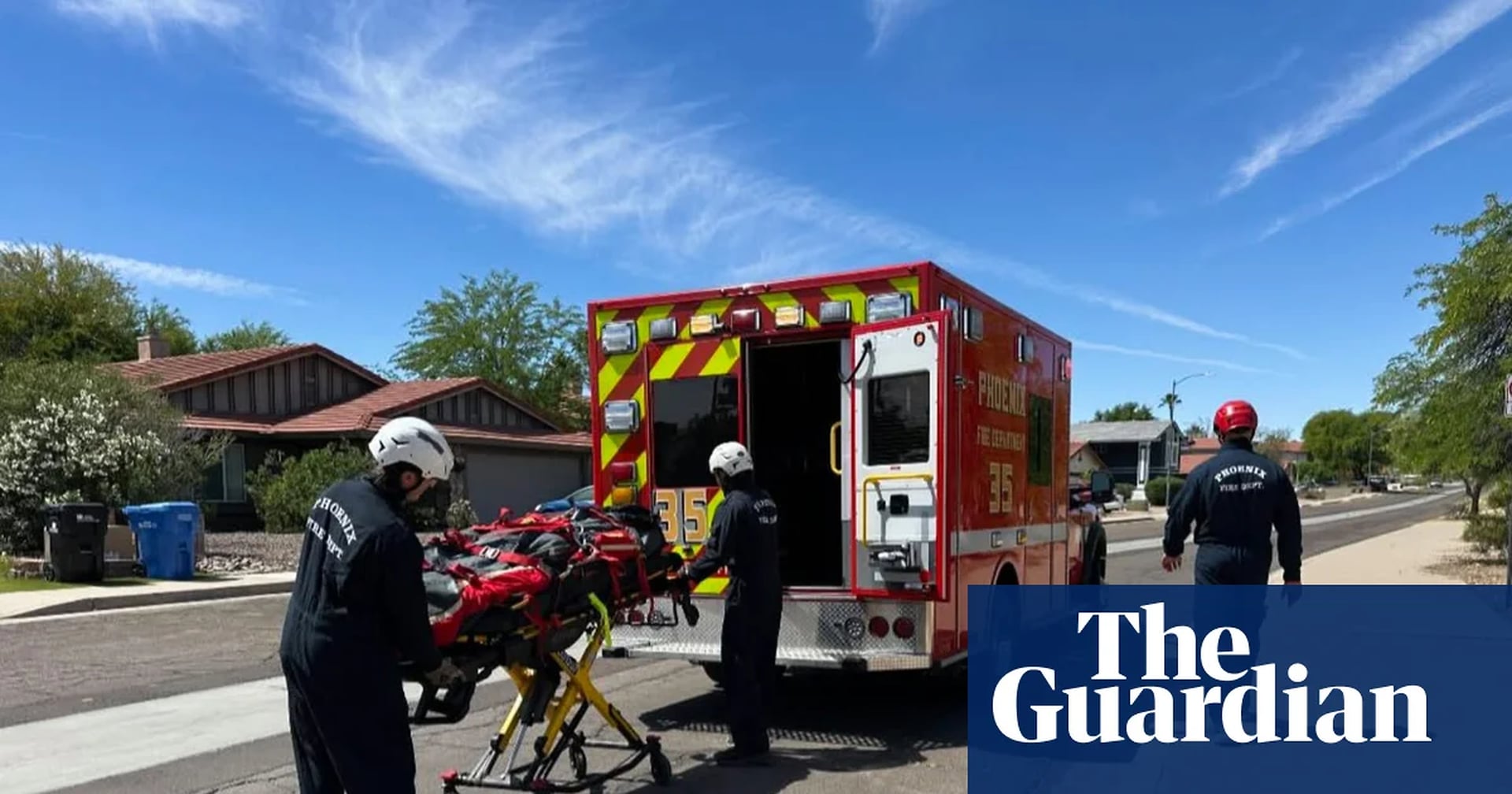
The harrowing experience of a hiker in Arizona, who was recently airlifted to a hospital in critical condition after enduring over a hundred bee stings, serves as a stark reminder of the inherent dangers present in natural environments across the globe. This incident, which unfolded on a mountain trail in north Phoenix over the Easter weekend, necessitated a complex rescue operation involving a helicopter crew, underscoring the critical importance of robust emergency medical services and public awareness regarding wilderness safety.
The individual, reportedly stung more than 100 times, found himself incapacitated and unable to descend from the summit of Lookout Mountain Preserve. The severity of the attack highlights a universal challenge: the unpredictable nature of wildlife encounters and their potential for life-threatening consequences. While the specific species of bee involved in the Arizona incident was not immediately detailed, such aggressive swarms often involve Africanized honey bees, known for their heightened defensive behavior and propensity to sting en masse. However, the broader implications extend to various venomous insects and animals found in diverse ecosystems worldwide, posing significant health risks to outdoor enthusiasts, workers, and local communities.
The Physiological Impact of Multiple Stings
Beyond the immediate pain, multiple insect stings can trigger a cascade of severe physiological responses. For individuals with pre-existing allergies, even a single sting can induce anaphylaxis, a life-threatening allergic reaction characterized by swelling, difficulty breathing, a sudden drop in blood pressure, and potential cardiovascular collapse. In cases like the Arizona hiker's, where hundreds of stings occur, the sheer volume of venom can overwhelm the body's systems, leading to a condition known as toxic envenomation. This can cause widespread inflammation, muscle breakdown (rhabdomyolysis), kidney failure, and damage to other vital organs, even in individuals without a history of allergies. The venom itself is a complex cocktail of proteins and enzymes designed to incapacitate, and in large doses, it can be profoundly toxic.
Globally, various hymenopteran insects—bees, wasps, hornets, and ants—are responsible for millions of stings annually. While most are minor, severe reactions and mass envenomations are not uncommon, particularly in regions where these insects are abundant or where human activity increasingly encroaches upon their habitats. From the aggressive hornets of Asia to the fire ants of the Americas, understanding the specific threats in local environments is crucial for prevention and rapid response. The medical community worldwide continually emphasizes the need for quick assessment and treatment, often involving intravenous fluids, antihistamines, corticosteroids, and in severe cases, advanced life support and dialysis to manage organ damage.
Environmental Dynamics and Human-Wildlife Interface
The increasing frequency of severe insect encounters can be attributed to several factors, including environmental changes and expanding human presence in natural areas. Climate change, for instance, can alter insect distribution, breeding patterns, and aggression levels. Warmer temperatures can extend their active seasons or push populations into new geographical zones, increasing the likelihood of human interaction. Furthermore, urbanization and agricultural expansion often lead to habitat fragmentation, forcing wildlife, including insect colonies, into closer proximity with human settlements and recreational trails. This creates a heightened interface where encounters become more probable.
In many parts of the world, particularly in developing nations, communities living in close proximity to wilderness areas face elevated risks. Their livelihoods might depend on activities that bring them into direct contact with potentially dangerous insects, such as farming, forestry, or foraging. Without adequate protective measures, education, or access to immediate medical care, the consequences of severe stings can be devastating, leading to long-term disability or even death. The Arizona incident, while occurring in a developed nation with advanced medical facilities, serves as a powerful illustration that even well-equipped regions are not immune to the challenges posed by nature's unpredictable elements.
The Imperative of Rapid Emergency Response
The successful rescue of the Arizona hiker underscores the indispensable role of highly trained emergency medical services and specialized rescue teams. Wilderness rescues present unique challenges: remote locations, difficult terrain, limited accessibility for ground vehicles, and the need for specialized equipment like helicopters. The time-sensitive nature of severe envenomation means that every minute counts. Delays in reaching a patient, stabilizing their condition, and transporting them to a medical facility can significantly worsen outcomes.
Globally, the capacity for such rapid and sophisticated responses varies dramatically. In many remote or underserved regions, access to air ambulances or even basic ground emergency transport is severely limited or non-existent. This disparity highlights a critical global health equity issue. Nivaran Foundation recognizes that strengthening emergency medical systems, particularly in vulnerable areas, is paramount. This includes investing in training for first responders, ensuring access to essential medical supplies, and developing robust communication networks that can facilitate timely interventions, regardless of geographical barriers. The Arizona rescue, a testament to effective coordination and resources, offers a model for what is achievable with adequate investment and planning.
Prevention, Preparedness, and Public Education
While emergency response is crucial, prevention and preparedness remain the first lines of defense against severe insect encounters. Public education campaigns, tailored to specific regional threats, are vital. These campaigns should inform individuals about identifying potentially dangerous insect habitats, such as ground nests or hives in trees, and advise on appropriate behavior when encountering them. Simple precautions, like wearing light-colored clothing (dark colors can attract some insects), avoiding strong perfumes, and checking outdoor gear before use, can significantly reduce risks.
For those venturing into wilderness areas, carrying a basic first-aid kit is essential. Individuals with known insect allergies should always carry an epinephrine auto-injector and know how to use it. Furthermore, informing others of hiking plans, including routes and expected return times, can be life-saving in the event of an emergency. Understanding the local fauna and potential hazards before embarking on outdoor activities empowers individuals to make informed decisions and take proactive steps to ensure their safety. These principles are universally applicable, from the deserts of Arizona to the dense forests of the Amazon or the savannas of Africa.
A Global Call for Vigilance and Support
Incidents like the one in Arizona serve as a potent reminder that our interactions with the natural world, while often enriching, carry inherent risks that demand respect, vigilance, and preparedness. From a global health perspective, the challenges posed by venomous creatures are multifaceted, touching upon environmental health, emergency medicine, public safety, and health equity. As human populations continue to expand and engage with natural spaces, the incidence of such encounters may well increase, making proactive measures more critical than ever.
Nivaran Foundation advocates for a holistic approach to address these challenges. This includes supporting research into insect behavior and venom, funding programs that enhance emergency medical infrastructure in remote areas, and championing educational initiatives that empower communities and individuals with the knowledge and tools to stay safe outdoors. The critical condition of the Arizona hiker is a stark reminder that the health and safety of individuals navigating the natural world depend on a collective commitment to preparedness, rapid response, and informed public health strategies globally.
Support Nivaran Foundation's global initiatives to enhance emergency preparedness and public health education for outdoor safety.
Talk to Nivaran Global