Australia's recent validation by the World Health Organization (WHO) for eliminating trachoma as a public health problem marks a profound global health achievement. Becoming the 30th country to reach this significant milestone, Australia's success offers a powerful testament to sustained public health efforts, particularly benefiting its indigenous populations and bolstering the worldwide campaign against neglected tropical diseases (NTDs). This accomplishment is not merely a national triumph but a beacon of hope for communities still grappling with the debilitating effects of this ancient disease across the globe.
Trachoma, caused by the bacterium Chlamydia trachomatis, is the world's leading infectious cause of blindness. It is a disease of poverty, thriving in environments with inadequate access to water, sanitation, and hygiene. The infection typically begins in childhood, manifesting as recurrent episodes of conjunctivitis. Without intervention, repeated infections lead to chronic inflammation of the inner eyelid, causing the eyelid to turn inward, a painful condition known as trichiasis. The eyelashes then rub against the cornea, leading to irreversible scarring and, ultimately, blindness. This progression not only robs individuals of their sight but also perpetuates cycles of poverty, impacting productivity, education, and overall quality of life within affected communities. The global burden of trachoma has historically been immense, disproportionately affecting remote and marginalized populations in over 40 countries, primarily in Africa, Asia, Latin America, and the Pacific.
For decades, trachoma remained a significant public health challenge in Australia, predominantly affecting Aboriginal and Torres Strait Islander communities in remote and very remote areas. While the disease had largely disappeared from non-indigenous populations by the mid-20th century, it persisted within indigenous communities, a stark indicator of health inequities. This disparity highlighted the complex interplay of socio-economic factors, environmental conditions, and access to healthcare that fueled the disease's endurance. The journey to elimination in Australia was therefore deeply intertwined with broader efforts to address indigenous health disparities and improve living conditions, reflecting a commitment to health equity that extended beyond mere medical intervention.
Australia's success is a powerful demonstration of the effectiveness of the WHO-recommended SAFE strategy. This comprehensive public health approach integrates four key components:
- Surgery for trichiasis: Providing corrective surgery to individuals suffering from trichiasis to prevent further corneal damage and restore sight.
- Antibiotics: Administering mass drug administration (MDA) of azithromycin to entire communities to treat active infections and reduce the community reservoir of Chlamydia trachomatis.
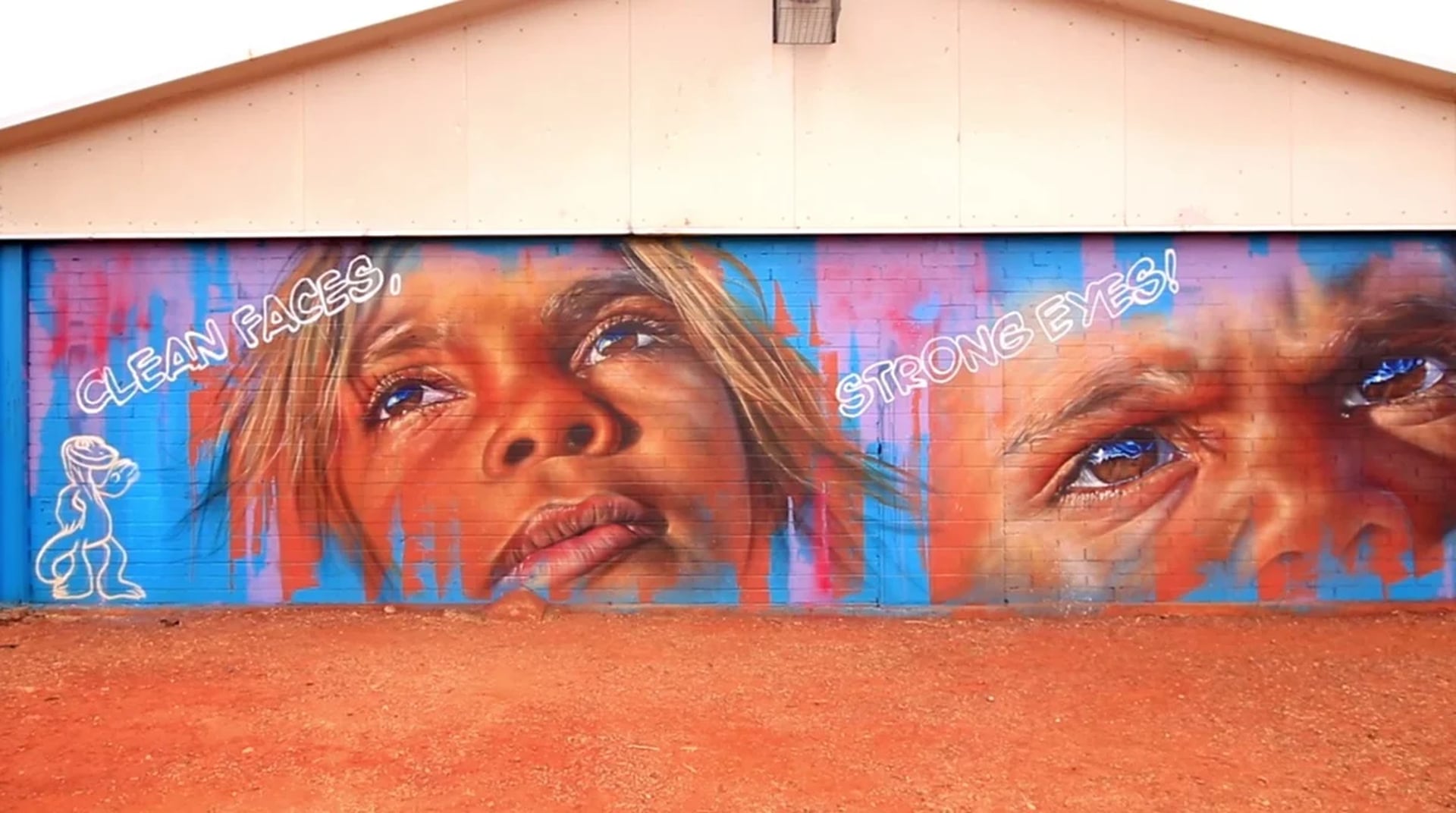
- Facial cleanliness: Promoting hygiene practices, particularly face washing, to interrupt transmission of the bacteria.
- Environmental improvements: Enhancing access to clean water, sanitation facilities, and improved housing to create healthier living conditions and reduce disease transmission.
The SAFE strategy is not merely a medical intervention but a holistic community development approach. Its implementation requires robust health systems, community engagement, and cross-sectoral collaboration, addressing both the immediate symptoms and the underlying socio-environmental determinants of the disease.
In Australia, the SAFE strategy was adapted and implemented with a strong focus on culturally appropriate and community-led initiatives. This involved extensive partnerships between federal and state governments, Aboriginal Community Controlled Health Organisations (ACCHOs), non-governmental organizations, and local communities. Mobile health teams traversed vast distances to reach remote settlements, delivering eye care services, administering antibiotics, and conducting health education. Crucially, the program prioritized the training and employment of local indigenous health workers, who played an indispensable role in building trust, facilitating communication, and ensuring the sustainability of interventions. These workers understood the cultural nuances and specific needs of their communities, making health messages more resonant and interventions more effective.
Beyond direct medical interventions, significant investments were made in improving infrastructure. Efforts focused on ensuring reliable access to clean water for washing, constructing and maintaining functional sanitation facilities, and upgrading housing to reduce overcrowding – all critical factors in breaking the cycle of trachoma transmission. These environmental improvements, often challenging in remote and arid regions, were fundamental to achieving lasting change. The sustained political will and financial commitment over several decades were pivotal, demonstrating that even in high-income countries, targeted and persistent efforts are essential to overcome entrenched health inequities.
The validation of Australia's elimination of trachoma represents a profound transformation for the health and well-being of Aboriginal and Torres Strait Islander communities. For generations, the threat of trachoma-induced blindness cast a shadow over daily life, impacting children's ability to learn, adults' capacity to work, and elders' independence. With its elimination, thousands of individuals are spared the pain and disability of trichiasis, and future generations can grow up free from the fear of preventable blindness. This achievement signifies not just the eradication of a disease but a significant step towards closing the gap in health outcomes between indigenous and non-indigenous Australians, fostering greater equity and justice. It empowers communities, validates their resilience, and showcases the power of collaborative action tailored to specific cultural and environmental contexts.
Australia's success resonates far beyond its borders, serving as an inspiring example for the global fight against neglected tropical diseases. Trachoma is one of 20 NTDs targeted for elimination or eradication by the WHO, and each country's success brings the world closer to achieving these ambitious goals. The lessons learned from Australia's comprehensive, multi-sectoral approach – emphasizing community ownership, sustained funding, and adaptive implementation of the SAFE strategy – offer invaluable insights for other endemic countries. It reinforces the understanding that eliminating NTDs requires more than just medical interventions; it demands a holistic approach that addresses the social, economic, and environmental determinants of health.
The achievement underscores the importance of global partnerships and shared knowledge. As the 30th country to eliminate trachoma, Australia joins a growing cohort of nations demonstrating that with concerted effort, political will, and community engagement, even the most persistent diseases can be overcome. This momentum is crucial as many countries in Africa and Asia continue their intensive efforts to eliminate trachoma, facing unique challenges related to conflict, infrastructure, and resource limitations.
While Australia celebrates this monumental achievement, vigilance remains paramount. Maintaining trachoma-free status requires ongoing surveillance, particularly in previously endemic areas, to detect any potential re-emergence. Furthermore, the broader work of addressing underlying health determinants – ensuring universal access to clean water, sanitation, and hygiene, alongside robust primary healthcare services – must continue to prevent other infectious diseases and sustain overall public health gains.
The global health community, inspired by successes like Australia's, is reinvigorated in its commitment to a world free from preventable diseases. This milestone is a powerful reminder that global health equity is an attainable goal, driven by dedicated individuals, resilient communities, and collaborative international efforts. It calls upon all stakeholders to redouble their efforts, share expertise, and invest in the programs that bring us closer to a future where no one loses their sight or their potential to a preventable condition like trachoma.
Support Nivaran Foundation's global initiatives to combat preventable diseases and foster health equity worldwide.
Talk to Nivaran Global