
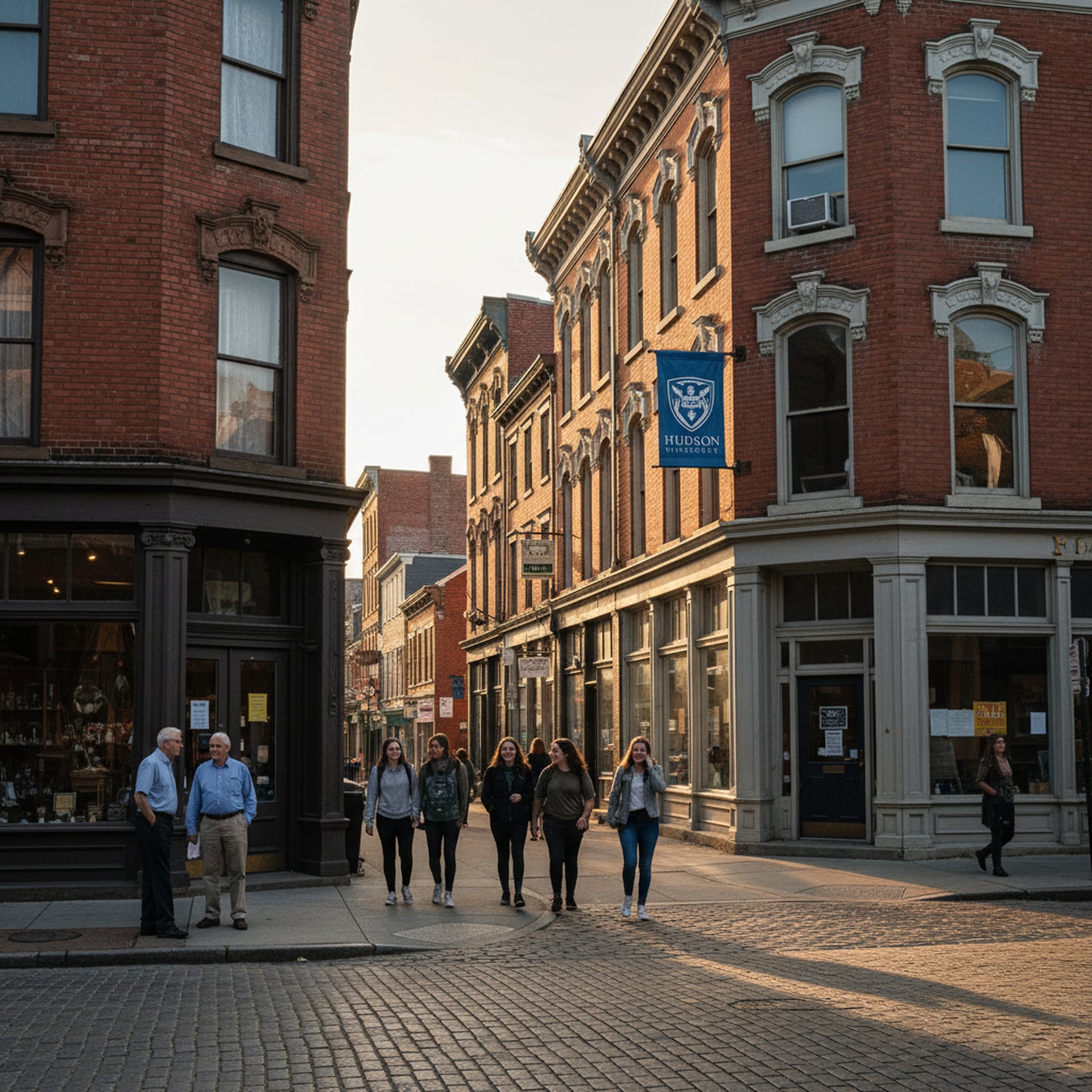
The landscape of higher education is undergoing a profound transformation, with institutions increasingly becoming significant players in the real estate market, extending their influence far beyond traditional campus boundaries. A recent development involving Bard College in New York serves as a compelling case study, illustrating both the opportunities and the complex challenges inherent in this global trend. The college, renowned for its liberal arts programs, has come into possession of properties valued at an estimated $82 million in Hudson, New York, a vibrant city located some 20 miles from its main campus. This substantial transfer of assets, facilitated by a nonprofit foundation, has ignited conversations about institutional expansion, community impact, and the imperative for transparency in such large-scale philanthropic endeavors.
The donation, which saw a significant portfolio of properties shift from a private foundation to Bard College, represents a substantial boost to the institution's physical and financial footprint. While the exact nature of the properties—ranging from commercial spaces to residential units—has not been fully detailed, their collective value underscores the magnitude of the transaction. This move positions Bard College not merely as an educational provider but as a major landowner and potential developer within the Hudson community. The implications of such a shift are multifaceted, touching upon local economies, housing markets, cultural dynamics, and the very identity of the city itself.
Universities globally are increasingly engaging in strategic real estate acquisitions, driven by a variety of factors. These include the need for expanded academic facilities, student housing, research parks, and even commercial ventures designed to generate revenue and diversify institutional endowments. From the sprawling urban campuses of major research universities to smaller liberal arts colleges seeking to integrate more deeply with their surrounding towns, the trend is clear: higher education institutions are no longer confined to their historic grounds. They are active participants in urban planning and regional development, often becoming anchor institutions that shape the economic and social fabric of their locales. This expansion can bring significant benefits, such as job creation, increased local spending, and cultural enrichment through arts and educational programs. However, it also carries the potential for disruption, particularly in areas grappling with gentrification, rising property values, and the displacement of long-term residents and local businesses.
The case of Hudson, New York, is particularly salient. A city with a rich history and a burgeoning arts scene, Hudson has experienced a renaissance in recent decades, attracting artists, entrepreneurs, and tourists. This revitalization has, however, also led to concerns about affordability and the preservation of its unique character. The entry of a major educational institution like Bard College into the city's real estate market, with such a significant portfolio, inevitably raises questions about future development. Will these properties be used for academic expansion, student housing, faculty residences, or commercial enterprises? How will their use impact the existing housing supply, local businesses, and the overall cost of living? These are critical inquiries that resonate with communities worldwide facing similar institutional expansions.
One of the most pressing concerns highlighted by this transaction is the perceived lack of transparency regarding Bard College's plans for the newly acquired properties. While institutions often require time to formulate detailed strategies, the scale of this donation and its potential community impact necessitate proactive communication. Public engagement and clear articulation of intentions are vital for building trust and fostering collaborative relationships between universities and their host communities. Without such transparency, there is a risk of speculation, misunderstanding, and potential friction, which can undermine the positive contributions an institution might otherwise make. This issue is not unique to Bard College; it is a recurring theme in many global contexts where universities expand their physical footprint, often encountering resistance from local residents who feel their voices are not adequately heard in the planning process.
The role of philanthropic foundations in shaping the trajectory of educational institutions also warrants closer examination. Large donations, while often transformative and well-intentioned, can sometimes lead to situations where the public interest, particularly that of the local community, is not fully represented in decision-making processes. The motivations behind such significant asset transfers can be complex, involving a mix of altruism, strategic investment, and legacy building. However, when these donations involve substantial real estate holdings, they transform the recipient institution into a powerful economic actor with considerable influence over local development. This underscores the need for robust governance frameworks and ethical guidelines that ensure accountability not only to donors and institutional boards but also to the broader public.
Looking ahead, Bard College faces an opportunity to set a precedent for how educational institutions can responsibly integrate into and contribute to their surrounding communities. Developing a comprehensive plan that addresses local needs, engages stakeholders, and prioritizes sustainable development will be crucial. This could involve initiatives such as affordable housing provisions, support for local businesses, public access to new facilities, and educational programs tailored to community interests. Such an approach would not only mitigate potential negative impacts but also enhance the college's reputation as a responsible and engaged global citizen.
The Bard College situation is a microcosm of a larger global phenomenon. Universities in Europe, Asia, Africa, and the Americas are all grappling with the challenges and opportunities presented by their expanding physical and economic presence. Whether it's the development of innovation districts around major research hubs or the acquisition of urban properties for student accommodation, the fundamental questions remain the same: How can institutions grow sustainably? How can they balance their academic mission with their responsibilities as community stakeholders? And how can they ensure that their expansion benefits, rather than displaces, the very communities they are meant to serve?
Ultimately, the $82 million property transfer to Bard College serves as a potent reminder that higher education's influence extends far beyond the classroom. It is deeply intertwined with economic development, urban planning, and social equity. As institutions continue to evolve and expand their roles in the 21st century, the imperative for transparent governance, proactive community engagement, and a clear vision for inclusive growth will be paramount. The global education sector, foundations, and local communities alike will be watching closely to see how Bard College navigates this significant new chapter, potentially offering valuable lessons for institutions worldwide.
Support Nivaran Foundation's independent global journalism on education and community development by donating today.
Talk to Nivaran Global