
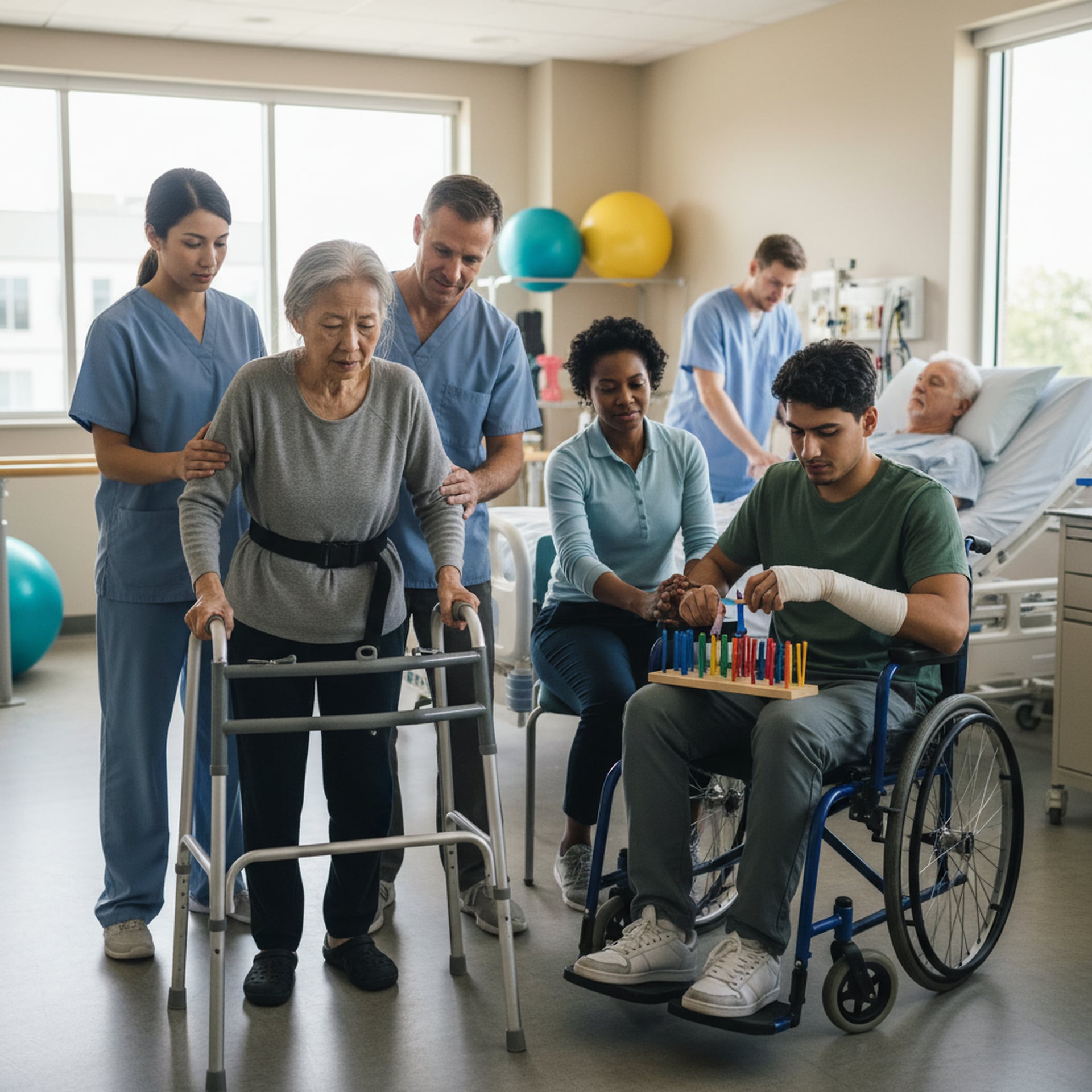
The journey through critical illness often culminates in a triumphant discharge from the Intensive Care Unit (ICU), a moment of profound relief for patients and their families. Yet, for a significant and growing number of individuals globally, this departure marks not an end, but the beginning of an entirely new and often debilitating struggle: Post-Intensive Care Syndrome, or PICS. This complex constellation of physical, cognitive, and mental health impairments can cast a long shadow over survivors' lives, transforming the path to recovery into a protracted, arduous, and frequently unsupported odyssey.
PICS is a global health challenge that transcends geographical boundaries and socioeconomic strata. It affects millions annually, from young adults to the elderly, irrespective of the initial cause of their critical admission, be it sepsis, respiratory failure, major surgery, or severe trauma. The intensity of modern critical care, while life-saving, often comes at a steep price. Patients spend weeks, sometimes months, sedated, immobilized, and battling life-threatening conditions, leading to profound physiological and psychological changes that persist long after the acute crisis has passed.
The physical manifestations of PICS are often the most immediately apparent. Many ICU survivors experience severe muscle weakness, known as ICU-acquired weakness (ICU-AW), which can affect all limbs and even respiratory muscles. This weakness is not merely a transient fatigue; it can be so profound that patients struggle with basic activities like walking, dressing, or even lifting a cup. Rehabilitation often begins with relearning fundamental movements, a process that can take months or even years. Chronic pain, persistent fatigue, and difficulty with balance are also common, severely limiting mobility and independence. For individuals who were previously active and self-sufficient, this sudden and drastic loss of physical capacity can be deeply demoralizing, impacting their ability to return to work, engage in hobbies, or simply enjoy their daily lives. The physical toll extends beyond muscle atrophy, often including nerve damage, joint stiffness, and respiratory issues that necessitate ongoing medical attention and therapeutic interventions.
Beyond the visible physical challenges, PICS frequently encompasses a range of insidious cognitive impairments. These can include problems with memory, attention, executive function (such as planning, problem-solving, and decision-making), and processing speed. Patients may find themselves struggling to concentrate, forgetting recent events, or having difficulty following conversations. What might appear as simple forgetfulness to outsiders can be a profound barrier to reintegration into society and the workforce. A once sharp mind might now falter, leading to frustration, embarrassment, and a significant reduction in quality of life. These cognitive deficits are often invisible, making them harder for family members and healthcare providers to recognize and address, yet their impact on a survivor's ability to manage finances, maintain employment, or engage in complex social interactions can be devastating. The brain, much like the body, undergoes significant stress and changes during critical illness, including inflammation, oxygen deprivation, and the effects of medications, all contributing to these lasting cognitive sequelae.
Perhaps the most distressing, and often least understood, component of PICS involves mental health challenges. Anxiety, depression, and post-traumatic stress disorder (PTSD) are alarmingly prevalent among ICU survivors. The experience of critical illness itself can be traumatic, involving terrifying hallucinations, vivid nightmares, a sense of powerlessness, and the constant threat of death. These psychological wounds can fester, leading to persistent feelings of fear, sadness, and detachment. Survivors may experience flashbacks, avoid reminders of their ICU stay, or struggle with sleep disturbances. Depression can sap their motivation for rehabilitation, while anxiety can make social interactions or public spaces overwhelming. Family members, too, often bear a significant psychological burden, witnessing their loved ones' suffering and grappling with the emotional and practical demands of caregiving. The stigma surrounding mental health issues can further complicate recovery, deterring individuals from seeking the psychological support they desperately need.
The global implications of PICS are immense. While robust data from every nation remains elusive, studies from diverse healthcare systems confirm its widespread prevalence. In high-income countries, where advanced critical care is more accessible, the sheer volume of ICU admissions means a larger cohort of survivors at risk. In low- and middle-income countries, the challenges are compounded by limited resources for rehabilitation, a scarcity of trained professionals, and often, a greater emphasis on acute survival over long-term recovery. This disparity creates a significant equity gap in post-ICU care, leaving millions without the necessary support to regain their former lives. The economic burden is also substantial, encompassing prolonged hospital stays, repeated readmissions, loss of productivity due to inability to return to work, and the costs associated with ongoing medical care, therapies, and social support. Families often face financial ruin trying to provide adequate care, especially in systems without comprehensive health insurance or social safety nets.
Addressing PICS requires a paradigm shift in how healthcare systems approach critical care. The focus must extend beyond mere survival to encompass comprehensive, integrated recovery pathways. This begins with early recognition and screening for PICS risk factors during the ICU stay itself. Mobilization and cognitive stimulation, even in critically ill patients, have shown promise in mitigating some of the long-term effects. However, the most significant gap often lies in the transition from hospital to home. Many survivors are discharged without a clear, coordinated plan for ongoing rehabilitation, leaving them and their families to navigate a fragmented and often inaccessible healthcare landscape.
Multidisciplinary rehabilitation programs are crucial. These programs ideally involve physical therapists, occupational therapists, speech-language pathologists, neuropsychologists, psychiatrists, and social workers, all working in concert to address the diverse needs of PICS survivors. Such comprehensive care aims not only to restore physical function but also to re-train cognitive skills, provide psychological counseling, and offer social support. However, the availability of such integrated services varies dramatically across the globe. In many regions, specialized PICS clinics are non-existent, and patients are left to piece together their own recovery from disparate and often unaffordable services.
Furthermore, greater awareness among healthcare professionals, policymakers, and the public is essential. Clinicians outside the ICU need to be educated about PICS to better identify and support survivors in primary care settings. Policymakers must recognize the long-term societal and economic costs of unaddressed PICS and invest in robust rehabilitation infrastructure and support services. Advocacy groups and patient associations play a vital role in sharing survivor stories, reducing stigma, and pushing for systemic change.
The journey of an ICU survivor is a testament to human resilience, but it should not be a solitary one. As critical care medicine continues to advance, saving more lives than ever before, the responsibility to ensure a meaningful quality of life for those survivors becomes paramount. By acknowledging the pervasive impact of Post-Intensive Care Syndrome and committing to comprehensive, patient-centered recovery pathways, the global health community can transform the post-ICU experience from a prolonged struggle into a supported journey towards renewed health and well-being. This collective effort is not just about medical treatment; it is about restoring dignity, independence, and hope to millions worldwide.
Support Nivaran Foundation's global initiatives to raise awareness and improve outcomes for critical illness survivors worldwide.
Talk to Nivaran Global