
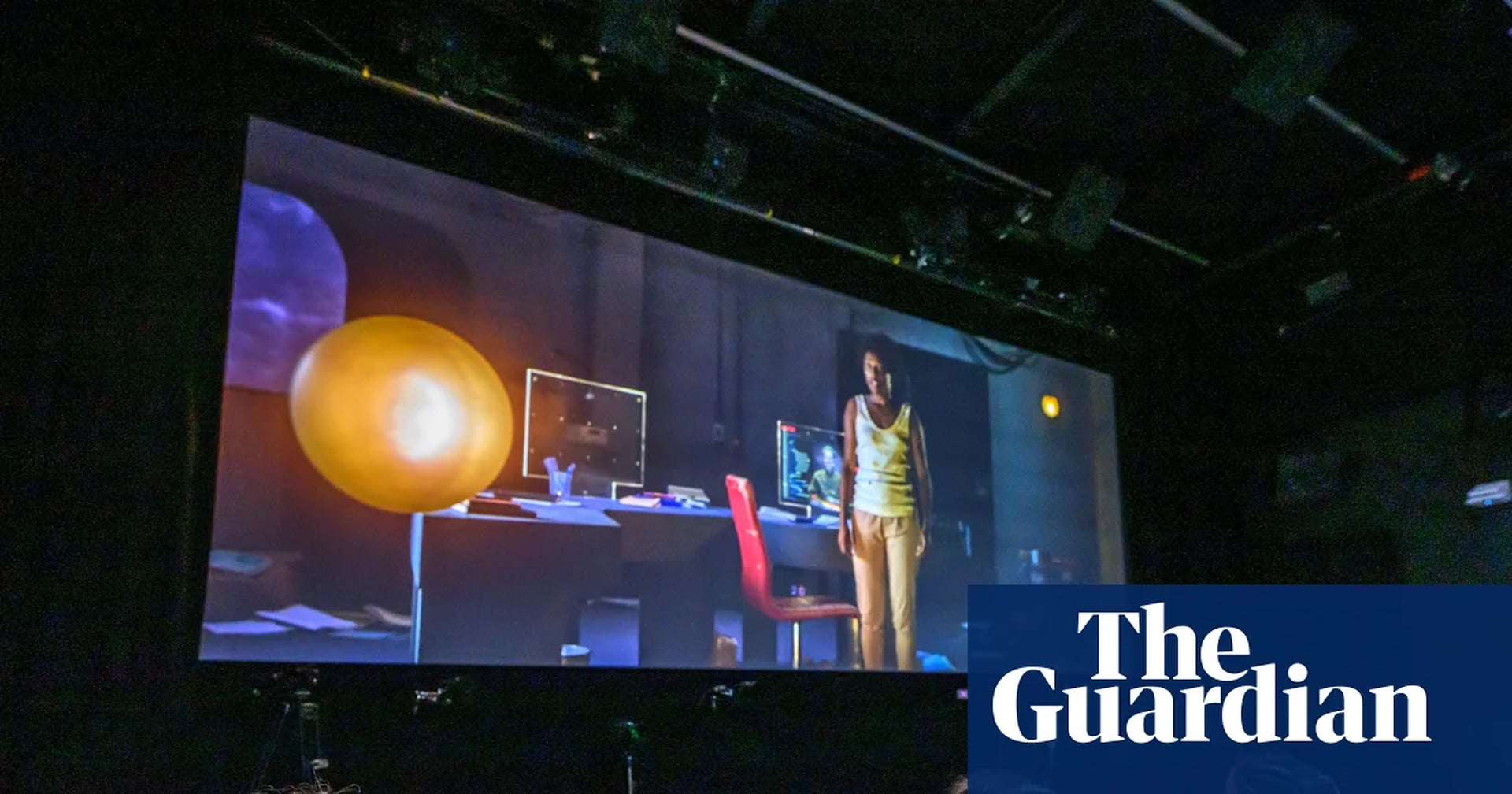
The quest to understand human engagement with media has taken a significant leap forward with pioneering research emerging from the University of Bristol. In a facility designed to replicate a high-end cinematic experience, scientists are employing advanced neuroscientific tools to decode the intricate ways our brains and bodies respond to visual narratives. This ambitious project transcends traditional film criticism, delving into the physiological and cognitive underpinnings of immersion, attention, and emotional resonance, with profound implications for global education, public health communication, and the future of content creation.
At the heart of this innovative endeavor is a bespoke cinema laboratory, equipped with state-of-the-art technology that goes far beyond the typical viewing environment. Participants are not merely watching films; they are providing a rich tapestry of biological data. While reclining in comfortable seats, viewers wear specialized headsets that meticulously record brain activity, offering a window into their cognitive processes. Simultaneously, heart rate monitors track physiological arousal, and high-resolution infra-red cameras capture subtle facial expressions, blinks, and minute body movements. This multi-modal data collection provides an unprecedented, objective measure of how individuals react to on-screen content, moving beyond subjective verbal feedback to reveal the moments that truly captivate and hold attention.
The methodology employed by the Bristol researchers represents a paradigm shift in understanding audience reception. Traditional methods, such as focus groups or questionnaires, often rely on conscious recall and articulated opinions, which can be influenced by social desirability, memory biases, or an inability to precisely describe subconscious reactions. By contrast, neurophysiological measurements offer real-time, unbiased insights into the brain's engagement, emotional processing, and attentional shifts. For instance, specific patterns of brainwave activity can indicate heightened focus or emotional intensity, while changes in heart rate variability can signal stress or excitement. The subtle twitch of a muscle or the dilation of a pupil, captured by infra-red cameras, can betray an emotional response far more immediate and authentic than any spoken word.
This scientific approach to media analysis holds immense promise for the educational sector worldwide. Imagine educational documentaries or e-learning modules designed not just for factual accuracy, but also optimized for maximum cognitive engagement and retention. By understanding precisely which visual cues, narrative structures, or pacing elements stimulate attention and facilitate learning, educators and content developers can create more effective and impactful educational materials. This could revolutionize how complex scientific concepts are taught, how historical events are presented, or how practical skills are demonstrated, making learning experiences more immersive and less prone to cognitive fatigue. For global initiatives aimed at improving literacy or vocational training, these insights could be instrumental in designing content that resonates across diverse cultural and linguistic backgrounds, ensuring that knowledge transfer is as efficient and engaging as possible.
Furthermore, the implications for global public health communication are equally transformative. Crafting compelling health messages that inspire behavioral change or raise awareness about critical issues is a perpetual challenge. Whether it's promoting vaccination campaigns, encouraging healthy lifestyles, or disseminating information during a pandemic, the effectiveness of communication often hinges on its ability to emotionally connect and cognitively engage the audience. By applying the insights gained from this research, public health bodies can develop media campaigns that are scientifically optimized to elicit desired responses – be it empathy, urgency, or a sense of personal responsibility. Understanding how different visual narratives or emotional triggers impact engagement can help tailor messages that cut through the noise and genuinely influence public perception and action on a global scale.
The project also addresses a critical aspect of creative endeavors: the willingness to take risks. Filmmakers, like educators and public health communicators, often operate on intuition and experience when pushing creative boundaries. The fear of alienating an audience or producing content that fails to resonate can stifle innovation. However, by providing objective, data-driven feedback on audience engagement, this research empowers creators to experiment with novel narrative structures, unconventional pacing, or challenging themes with greater confidence. If data indicates that a particular experimental sequence, despite its unconventional nature, elicits strong cognitive engagement and emotional resonance, it validates the creative risk and encourages further innovation. This could lead to a renaissance in content creation, fostering a global environment where bold storytelling is supported by scientific understanding, ultimately enriching the media landscape for everyone.
The global relevance of this research cannot be overstated. While conducted in a single university lab, the fundamental principles of human cognition and emotional response to media are universal. People across cultures, while having different cultural contexts, share core neurological mechanisms for processing visual and auditory information. Therefore, the insights gleaned from this project can be adapted and applied to improve communication strategies, educational methodologies, and entertainment experiences in any part of the world. It provides a common scientific language for understanding how media impacts the human mind, transcending geographical and cultural divides.
However, such powerful insights also necessitate careful consideration of ethical dimensions. The ability to precisely measure and potentially influence cognitive and emotional responses raises questions about data privacy and the potential for manipulation. The researchers and future practitioners must operate within robust ethical frameworks, ensuring that these insights are used to enhance human experience, facilitate learning, and promote well-being, rather than for exploitative or deceptive purposes. Transparency in data collection and usage, informed consent, and a commitment to responsible application are paramount as this field evolves.
Looking ahead, the Bristol project serves as a blueprint for future interdisciplinary research. Its success underscores the value of combining neuroscience, psychology, and media studies to unlock deeper understandings of human interaction with technology and content. Future investigations could explore how these principles apply to virtual reality and augmented reality environments, personalized learning platforms, or even therapeutic media designed to aid cognitive rehabilitation or mental health support. The potential to tailor media experiences to individual cognitive profiles, optimizing for attention, memory, or emotional regulation, represents a frontier with immense promise for global health and education.
In conclusion, the University of Bristol's cinema lab is more than just an advanced viewing room; it is a crucible for a new era of understanding human cognition in the context of media. By meticulously tracking brain activity and physiological responses, this pioneering research is laying the groundwork for a future where content – be it educational, informational, or entertaining – is crafted with a profound scientific understanding of its impact. This global endeavor promises to empower creators, enrich learning experiences, improve public health outcomes, and ultimately foster a more engaged and informed global citizenry, marking a significant step forward in harnessing science for societal benefit.
Support Nivaran Foundation's mission to highlight global advancements in health and education that empower communities worldwide.
Talk to Nivaran Global