
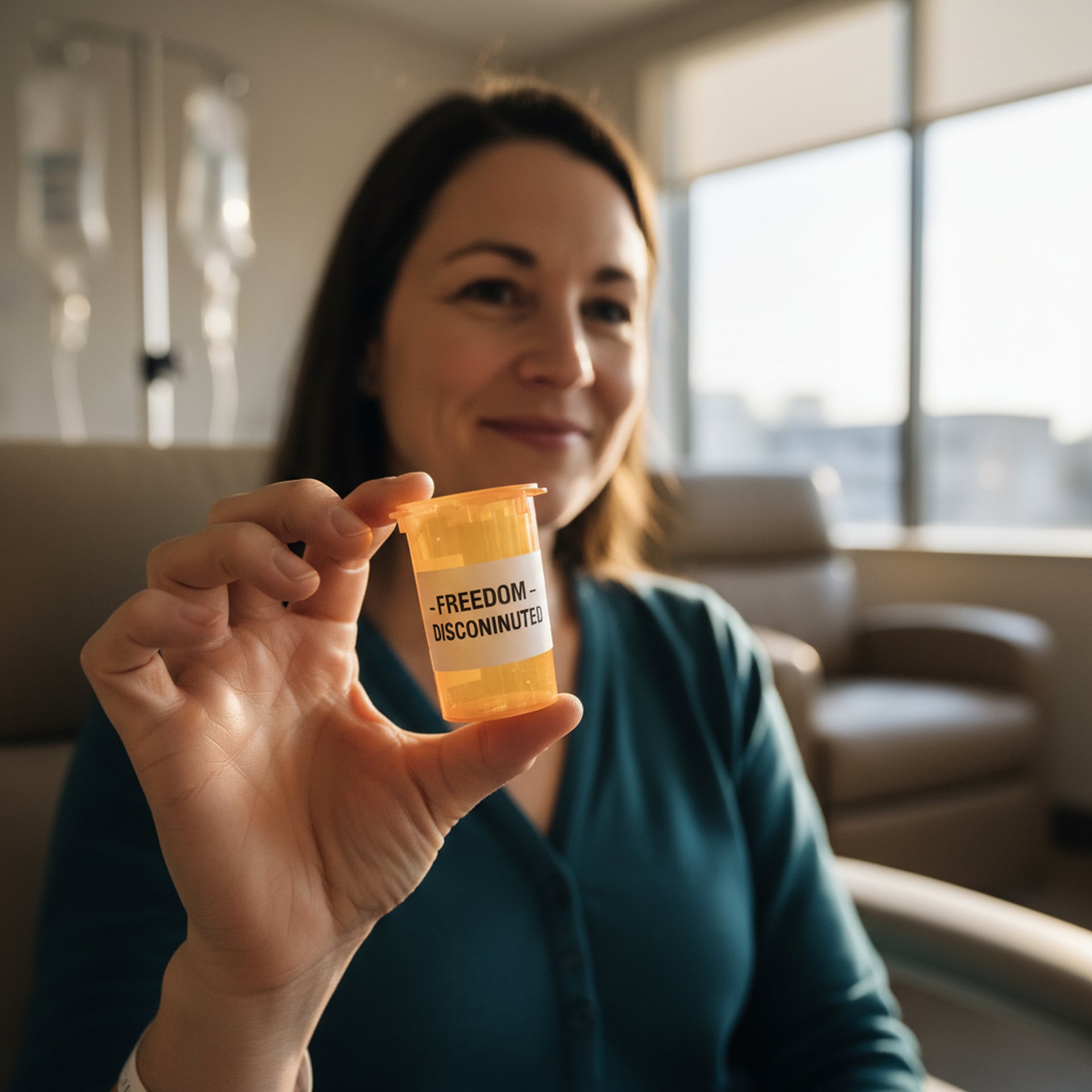
The landscape of organ transplantation, a medical marvel saving countless lives, stands on the cusp of a transformative shift. For decades, successful transplants have necessitated lifelong regimens of powerful immunosuppressive drugs, essential to prevent organ rejection. While critical, these medications burden patients with severe side effects, significantly impacting long-term health and quality of life. However, pioneering research from the University of Pittsburgh offers hope, demonstrating a novel approach that allowed a small cohort of liver transplant recipients to safely discontinue these vital anti-rejection medications. This breakthrough, while nascent, heralds a potential paradigm shift, promising a future where transplant patients might live free from chronic immunosuppression challenges.
Organ transplantation is a profound medical achievement, offering a second chance at life for individuals with end-stage organ failure. Yet, the post-transplant journey is complex, primarily due to the body's natural defense mechanisms. The recipient's immune system identifies the transplanted organ as foreign, initiating rejection. To counteract this, patients adhere to strict, lifelong immunosuppressive drug schedules. These medications, effective in preventing rejection, broadly suppress the immune system, leaving patients vulnerable to serious complications. Side effects are extensive, including increased susceptibility to infections, kidney damage, cardiovascular disease, and higher risks of certain cancers, diabetes, and osteoporosis. The constant monitoring, financial strain of medication, and psychological toll further compound global challenges. The quest for immune tolerance – accepting the organ without continuous drug therapy – has long been transplant immunology's holy grail.
The innovative strategy from the University of Pittsburgh marks a significant leap towards achieving immune tolerance. Their approach centers on carefully introducing specific immune cells from the organ donor into the recipient. The principle is to "educate" the recipient's immune system, teaching it to recognize the transplanted organ as self, not a foreign threat. This aims to reprogram the immune response, allowing the new organ to coexist harmoniously without chemical suppression. The research team meticulously harvested particular immune cells from donors, believed crucial in regulating immune responses. These cells, administered to recipients, are thought to mediate, fostering an environment where recipient T-cells – orchestrators of rejection – are either deactivated or rendered tolerant to donor tissues. This sophisticated immunological dance seeks a delicate balance: maintaining infection fighting while accepting the life-saving organ.
The Pittsburgh study yielded compelling, early results. Among patients receiving this novel cellular therapy, three liver transplant recipients successfully achieved immune tolerance, completely discontinuing anti-rejection medications. This outcome represents a monumental personal victory, freeing them from daily burdens and long-term health risks of immunosuppression. For these patients, living without drug-related side effects profoundly improves quality of life, offering a glimpse into a healthier future. However, researchers emphasized the treatment's lack of universal success. Not all patients receiving donor immune cells could halt medication, underscoring the complexities of the human immune system and challenges in inducing tolerance across diverse populations. Variable outcomes highlight the need for further investigation into patient selection, optimal cell types, dosage, and timing. This early phase provides valuable insights into both the potential and limitations of this groundbreaking strategy.
For patients achieving drug-free immune tolerance, the impact is transformative. Imagine the relief of no longer needing daily powerful drugs, the freedom from constant worry about side effects, and the psychological liberation from being a perpetually medicated patient. Benefits extend beyond medical; they encompass holistic well-being. Reduced risk of kidney failure, cancer, and severe infections means a longer, healthier lifespan. The often-immense financial burden of lifelong medication is significantly alleviated. Furthermore, the psychological weight lifted from patients and families is immeasurable. This breakthrough offers not just a medical solution but a profound enhancement of human dignity and autonomy, allowing individuals to reclaim a sense of normalcy previously unattainable. Quality of life implications are immense, promising a future where transplant recipients can truly thrive, not just survive, post-surgery.
Despite exhilarating promise, widespread implementation of this therapy faces a long, complex journey. The treatment's variable success points to critical areas for future research. Scientists must understand why some patients responded favorably while others did not, identifying biomarkers, genetic predispositions, or immunological profiles that predict success. Refining the type and quantity of donor immune cells is crucial for improving efficacy. The timing of cell administration relative to transplant surgery and initial immunosuppression also warrants extensive investigation. Furthermore, the therapy's safety profile must be rigorously evaluated in larger clinical trials to ensure long-term benefits outweigh unforeseen risks. Scaling up production and processing of specialized donor cells for broader clinical use presents logistical and technical challenges. This meticulous, iterative process of research and development is essential to translate a promising early finding into a reliable, globally accessible treatment.
The implications of this research extend beyond Pittsburgh, resonating across the global health landscape. Organ transplantation is a worldwide phenomenon, with hundreds of thousands of procedures annually. The burden of lifelong immunosuppression is a universal challenge, impacting healthcare systems and individual patients globally. A successful immune tolerance strategy could revolutionize post-transplant care, significantly reducing healthcare costs associated with managing drug side effects and improving public health outcomes. Imagine applying this principle to other organ transplants – kidneys, hearts, lungs – which also necessitate continuous immunosuppression. While this study focused on liver transplants, underlying immunological principles could adapt to other organs, opening new avenues for research and treatment across transplantation. This breakthrough underscores the critical importance of sustained investment in fundamental scientific research, demonstrating how curiosity-driven inquiry leads to discoveries with profound humanitarian impact. Nivaran Foundation's global news desk recognizes the universal significance of such advancements, highlighting their potential to uplift health standards and improve lives worldwide.
In conclusion, the pioneering work at the University of Pittsburgh represents a monumental stride in improving the lives of organ transplant recipients. While the successful discontinuation of anti-rejection drugs in three liver transplant patients is a modest number, it provides compelling proof-of-concept for a future where immune tolerance is a clinical reality. This research powerfully testifies to the relentless dedication of scientists and clinicians pushing medical boundaries. As this field evolves, the promise of a life free from chronic medication for transplant patients shines brighter than ever, offering renewed hope and significantly enhanced quality of life for countless individuals globally. Nivaran Foundation remains committed to tracking and reporting on such vital global health advancements, ensuring breakthroughs transforming lives are brought to public awareness.
Support Nivaran Foundation's mission to bring vital global health news and advancements to communities worldwide.
Talk to Nivaran Global