
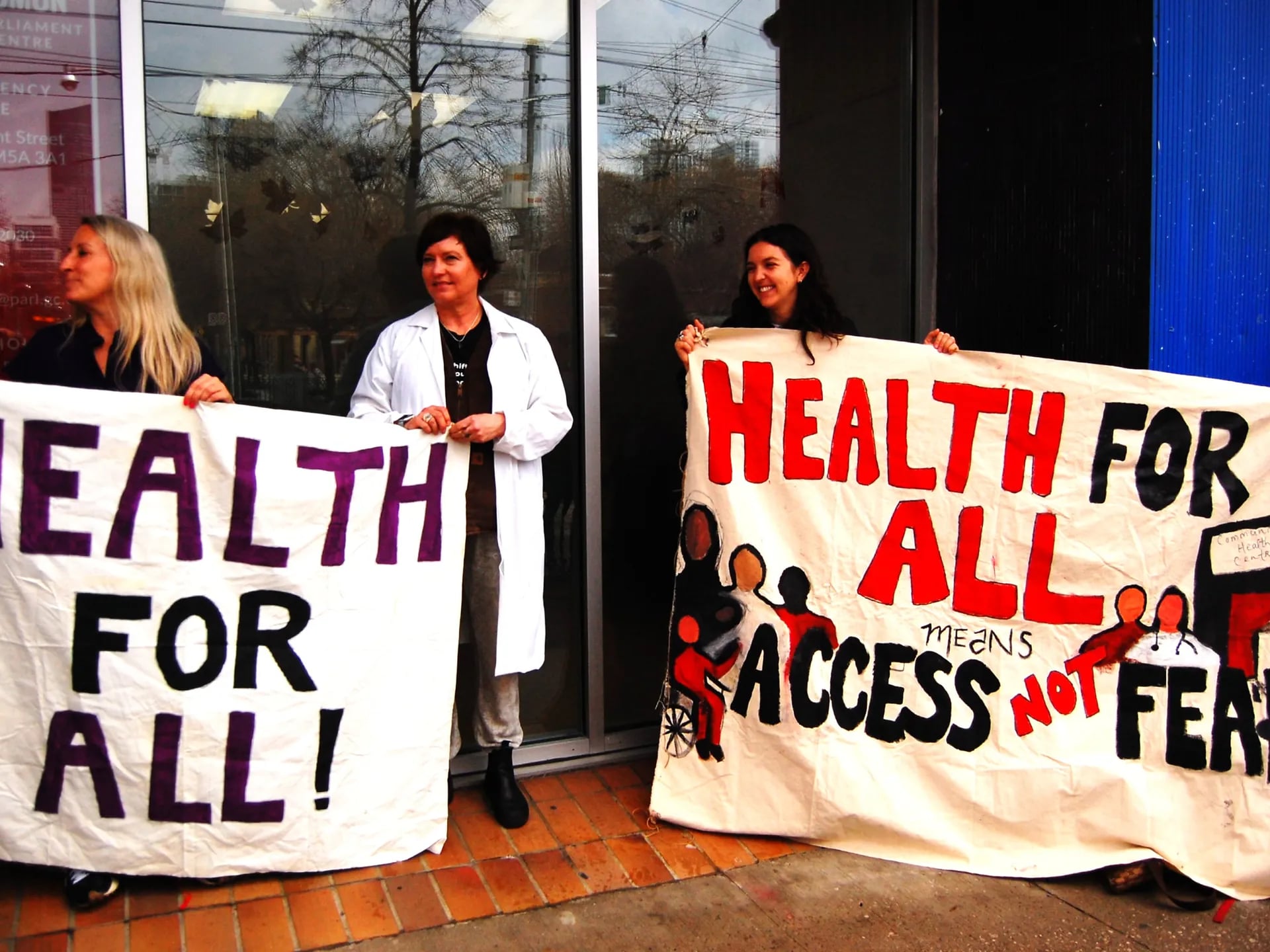
Canada, often seen as a beacon of humanitarianism, faces intense scrutiny over planned changes to its refugee healthcare program. Effective May 1, 2026, new co-payment requirements for asylum seekers and refugees are set to be introduced, sparking widespread criticism from healthcare professionals and human rights organizations. These groups demand immediate rescission, arguing financial barriers to essential medical services constitute a "de facto denial of care" for vulnerable individuals. This policy shift challenges Canada's international commitments and raises profound ethical questions about equitable health access.
The proposed changes target the Interim Federal Health Program (IFHP), which provides temporary coverage for basic and supplemental health services to refugees, protected persons, and asylum claimants awaiting provincial or territorial health insurance. Historically, IFHP has been a critical safety net, ensuring newcomers, often with significant health challenges and trauma, receive necessary medical attention without immediate financial burden. The new regulations introduce co-payments for certain services, requiring individuals to pay out-of-pocket. While specifics are pending, the principle of introducing financial barriers for a socio-economically precarious population has been widely condemned, marking a significant departure from the program's original intent for barrier-free care during transition.
Healthcare workers, including doctors, nurses, and public health officials, lead the opposition, articulating grave concerns about the immediate and long-term health consequences. They warn co-payments will inevitably lead to delayed diagnoses, postponed treatments, and health deterioration among this population. For individuals fleeing persecution, conflict, or disaster, healthcare access is a fundamental human right and crucial for recovery and integration. Many arrive with pre-existing conditions—chronic illnesses, infectious diseases, severe mental health issues from trauma. Imposing financial hurdles atop language barriers, cultural differences, and psychological burdens creates insurmountable obstacles. This forces individuals to choose between essential medication, a doctor's visit, or basic necessities like food and shelter—a choice no vulnerable newcomer should face.
The impact will be particularly severe on highly vulnerable groups. Children, susceptible to infections, could miss critical developmental screenings and immunizations. Pregnant women might forgo essential prenatal care, increasing risks for both mother and child. Individuals with chronic diseases like diabetes or hypertension, or those needing ongoing mental health support due to trauma, could see conditions worsen dramatically without consistent access to medication and specialist consultations. Public health experts also highlight broader societal risks: untreated communicable diseases within a community threaten the entire population. Robust healthcare for all, including newcomers, is a cornerstone of collective public health security. Arguments for fiscal responsibility often overlook the higher costs of emergency room visits for conditions manageable in primary care.
From a human rights perspective, advocates argue Canada's proposed policy directly contravenes its international obligations. As a signatory to the 1951 Refugee Convention and various human rights instruments, Canada committed to ensuring refugees enjoy rights and freedoms without discrimination, including the right to health. Article 23 of the Refugee Convention stipulates states should accord refugees the same treatment as nationals regarding public relief and assistance. While IFHP differs from provincial plans, introducing financial barriers for refugees not faced by citizens or permanent residents raises serious questions about equitable treatment. Organizations like Amnesty International and the Canadian Council for Refugees strongly object, emphasizing healthcare access as a non-negotiable right for those seeking safety. They contend the policy sends a chilling message about Canada's humanitarian commitment and could damage its international reputation.
The rationale for such policy changes typically cites fiscal austerity. However, evidence suggests restricting access to primary and preventative healthcare for vulnerable populations ultimately creates greater financial burdens. When individuals cannot afford routine doctor visits or medications, conditions escalate, necessitating more expensive emergency interventions, hospitalizations, and long-term care. Furthermore, administrative overhead for implementing, tracking, and collecting co-payments from a transient, often destitute population could negate perceived savings. The societal cost of a less healthy refugee population extends beyond direct medical expenses, impacting their ability to integrate, find employment, and contribute fully. Investing in early, comprehensive healthcare for newcomers is not just humanitarian but a pragmatic economic strategy fostering successful integration and reducing future societal costs.
This isn't Canada's first controversy over refugee healthcare. In 2012, a previous federal government implemented significant IFHP cuts, restricting coverage for many asylum seekers. These cuts drew widespread condemnation from medical associations, legal experts, and human rights groups, leading to legal challenges and sustained public pressure. Ultimately, many restrictions were reversed in 2016 by the subsequent government, acknowledging severe negative health impacts and ethical concerns. The current proposal to reintroduce financial barriers, albeit differently, evokes déjà vu among advocates who fought previous restrictions. They argue lessons from that period—that restricting refugee healthcare is both inhumane and inefficient—have been forgotten or ignored, strengthening current calls for rescission and highlighting a pattern undermining refugee well-being.
Canada's actions resonate far beyond its borders. As a prominent developed nation and significant refugee destination, its policies are observed and sometimes emulated globally. In an era of unprecedented global displacement, refugee treatment indicates a nation's commitment to human rights and international solidarity. Policies erecting barriers to essential services like healthcare can inadvertently undermine global efforts to protect vulnerable populations. Conversely, robust, equitable healthcare for refugees can serve as a model, demonstrating that humanitarian principles and responsible governance coexist. The Nivaran Foundation emphasizes that universal health access, especially for those in precarious situations, is a cornerstone of a just, stable global society. Canada's decision on these co-payments will be closely watched, influencing perceptions of its humanitarian leadership.
As the May 1 deadline approaches, the chorus of voices calling for rescission grows louder and more urgent. Health workers and rights advocates appeal to the government to reconsider, emphasizing the profound human cost and long-term societal ramifications. They stress that providing comprehensive, barrier-free healthcare to refugees is not charity but an investment in human dignity, public health, and successful integration. The debate transcends national borders, touching fundamental questions of compassion, equity, and a nation's moral compass in addressing global humanitarian challenges. The Nivaran Foundation underscores the critical importance of upholding the right to health for all, particularly for those who have lost everything and seek refuge and a chance to rebuild their lives.
Support Nivaran Foundation's efforts to advocate for equitable healthcare access and human dignity for vulnerable populations worldwide.
Talk to Nivaran Global