
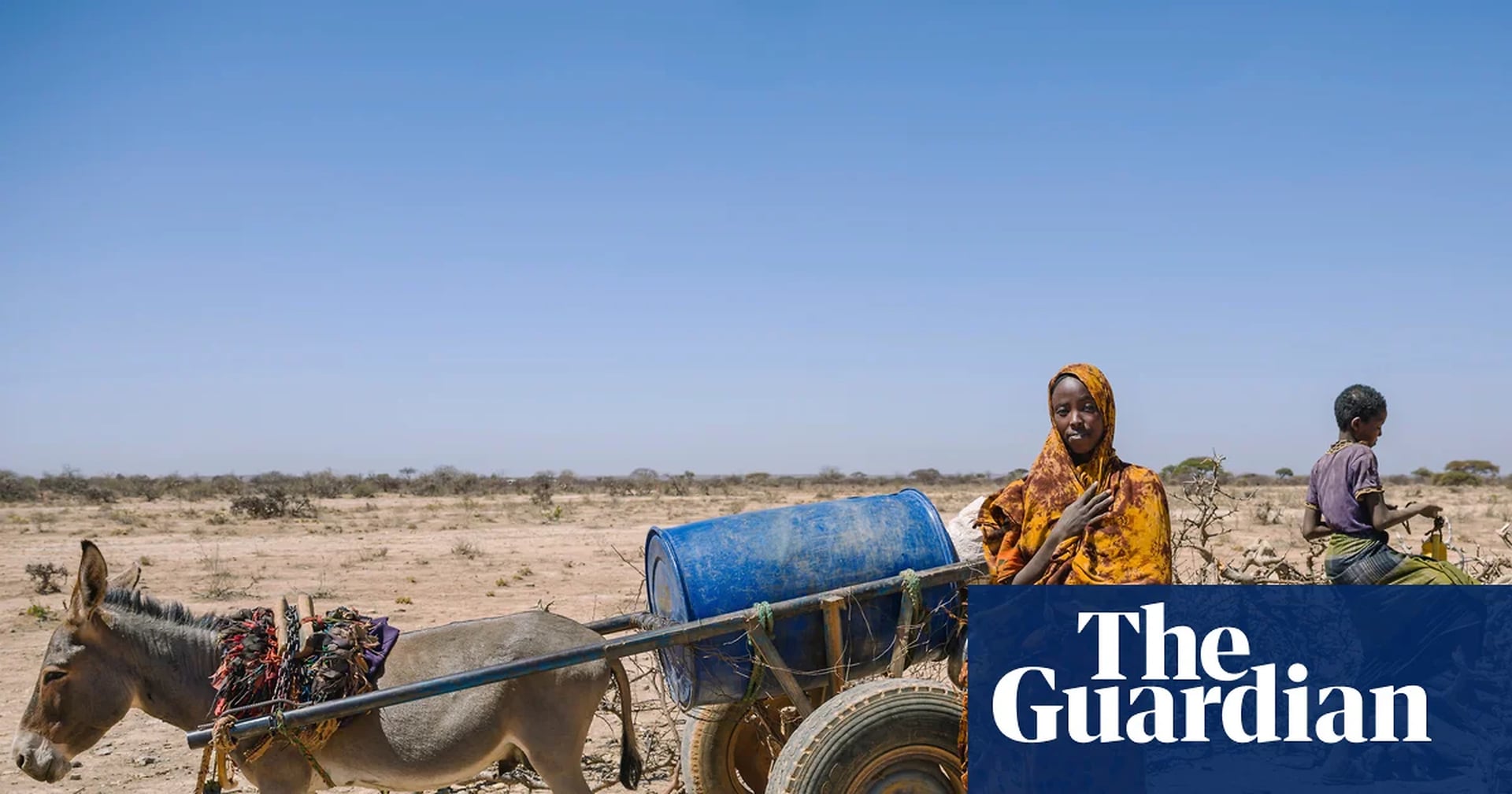
The escalating climate crisis increasingly demands a unified global response, with a growing consensus among experts that it constitutes a profound public health emergency. Central to any effective strategy, however, must be the unequivocal prioritization of children, whose early years are disproportionately vulnerable to environmental disruption and whose well-being is intrinsically linked to the future resilience of societies worldwide.
Leading voices in public health and child development, such as Professor Alan Stein and Dr. Lynette Okengo, have underscored the critical importance of this child-centric approach. Their advocacy aligns with broader calls for a global declaration, emphasizing that while the climate crisis impacts everyone, its most insidious and long-lasting effects are often borne by the youngest members of our population. The formative period of early childhood, a time of rapid physical, cognitive, and emotional development, is particularly susceptible to environmental stressors. Disruptions during these crucial years, when the brain and body are undergoing foundational development, can have repercussions that echo throughout an individual's entire life, potentially impacting their health, educational attainment, and economic prospects for decades to come.
Evidence continues to mount, illustrating how climate change is actively undermining the foundational elements of healthy child development across every continent. Extreme weather events, once considered anomalies, are now becoming more frequent and severe, manifesting as prolonged droughts, devastating floods, and unprecedented heatwaves. These phenomena directly translate into tangible threats to children's immediate survival and long-term prospects. Food insecurity, a direct consequence of disrupted agricultural cycles, depleted fisheries, and resource scarcity, leads to widespread malnutrition, stunting, and wasting. A child deprived of adequate nutrition in their early years faces a significantly higher risk of chronic health issues, including weakened immune systems, reduced educational attainment due to impaired cognitive function, and diminished economic opportunities in adulthood, perpetuating cycles of poverty.
Beyond nutrition, the physical health of children is under constant assault. Increased ambient temperatures exacerbate respiratory illnesses like asthma and can lead to heatstroke, particularly in infants and young children whose thermoregulatory systems are less developed. Altered rainfall patterns create expanded breeding grounds for vector-borne diseases such as malaria, dengue, and Zika, to which children are particularly susceptible due to their developing immune systems. Contaminated water sources following floods or prolonged drought conditions lead to outbreaks of diarrheal diseases, a leading cause of child mortality globally, especially in regions with inadequate sanitation infrastructure. The mental health burden is equally profound. Children exposed to climate-induced disasters often experience acute trauma, anxiety, and depression, manifesting as sleep disturbances, behavioral issues, and difficulty concentrating. Displacement from homes and communities, a common outcome of extreme weather, disrupts social networks, interrupts schooling, and can lead to prolonged psychological distress, impacting their sense of safety, belonging, and overall emotional well-being. The cumulative stress of living in a climate-vulnerable environment can also contribute to chronic stress responses, affecting long-term mental and physical health.
The educational landscape for children is also severely compromised. Schools are frequently damaged or destroyed by floods, storms, and wildfires, or repurposed as emergency shelters, leading to prolonged closures and interrupted learning. Even when schools remain open, extreme heat can make learning environments unbearable and unsafe, reducing children's ability to focus and absorb information. When families are forced to migrate due to environmental degradation, children often lose access to education entirely, further entrenching cycles of poverty and disadvantage. The cognitive impacts of malnutrition and chronic stress also hinder a child's ability to learn and thrive in academic settings, creating a multifaceted barrier to their future potential and limiting their capacity to contribute to their communities' development.
The global nature of these impacts cannot be overstated. While industrialized nations contribute the most to greenhouse gas emissions, it is often the communities in low- and middle-income countries that bear the disproportionate brunt of climate change's effects on children. These nations, many of which have made significant strides in child health and education over recent decades, now face the daunting prospect of seeing that progress eroded by escalating environmental challenges. This disparity highlights a profound issue of environmental justice, where the most vulnerable populations, often with the least capacity to adapt, are suffering the consequences of actions largely beyond their control. Moreover, the long-term physical impairments caused by early life climate stressors may even be passed on to subsequent generations through epigenetic mechanisms or through the perpetuation of poverty cycles, creating a devastating intergenerational legacy.
Declaring the climate crisis a global public health emergency would unlock critical resources and foster a more coordinated international response, elevating the issue to a level commensurate with its severity. Such a declaration would compel governments, international bodies, and humanitarian organizations to integrate health considerations, particularly those pertaining to children, into all climate policy and action. It would necessitate a fundamental shift from reactive disaster response to proactive, preventative strategies that build resilience within communities and safeguard child well-being. This includes investing in robust early warning systems, climate-resilient infrastructure such as schools and healthcare facilities, and adaptive social protection programs designed specifically to shield children from the worst impacts, ensuring their fundamental rights to health, education, and a safe environment are upheld.
A child-centric approach demands comprehensive, multi-sectoral interventions. Healthcare systems must be strengthened to anticipate and manage climate-related health issues in children, including improved surveillance for climate-sensitive diseases, enhanced nutritional support programs, and accessible mental health services tailored for young populations. Educational systems need to be made more resilient, with provisions for continuous learning during crises, such as remote education solutions or temporary learning spaces, and curricula that educate children about climate change, adaptation strategies, and environmental stewardship. Furthermore, policies must prioritize the protection of children during displacement, ensuring their access to safe shelter, adequate nutrition, uninterrupted education, and psychosocial support, recognizing their unique vulnerabilities in humanitarian crises.
Ultimately, placing children at the forefront of the climate crisis response is not merely an ethical imperative; it is a strategic necessity for global sustainability and human development. The health, education, and overall development of today's children will determine the capacity of future generations to adapt, innovate, and thrive in a rapidly changing world. By investing in their protection now, we are investing in the long-term resilience and prosperity of all societies, upholding the principles enshrined in the UN Convention on the Rights of the Child and striving towards the Sustainable Development Goals. The urgency of this moment calls for immediate, decisive action to ensure that every child, regardless of their geographic location or socioeconomic status, has the opportunity to grow up healthy, educated, and secure, free from the escalating threats of a warming planet. The time for a global, child-focused climate health emergency response is unequivocally now.
Support Nivaran Foundation's global initiatives to safeguard child health and education in a changing climate.
Talk to Nivaran Global