
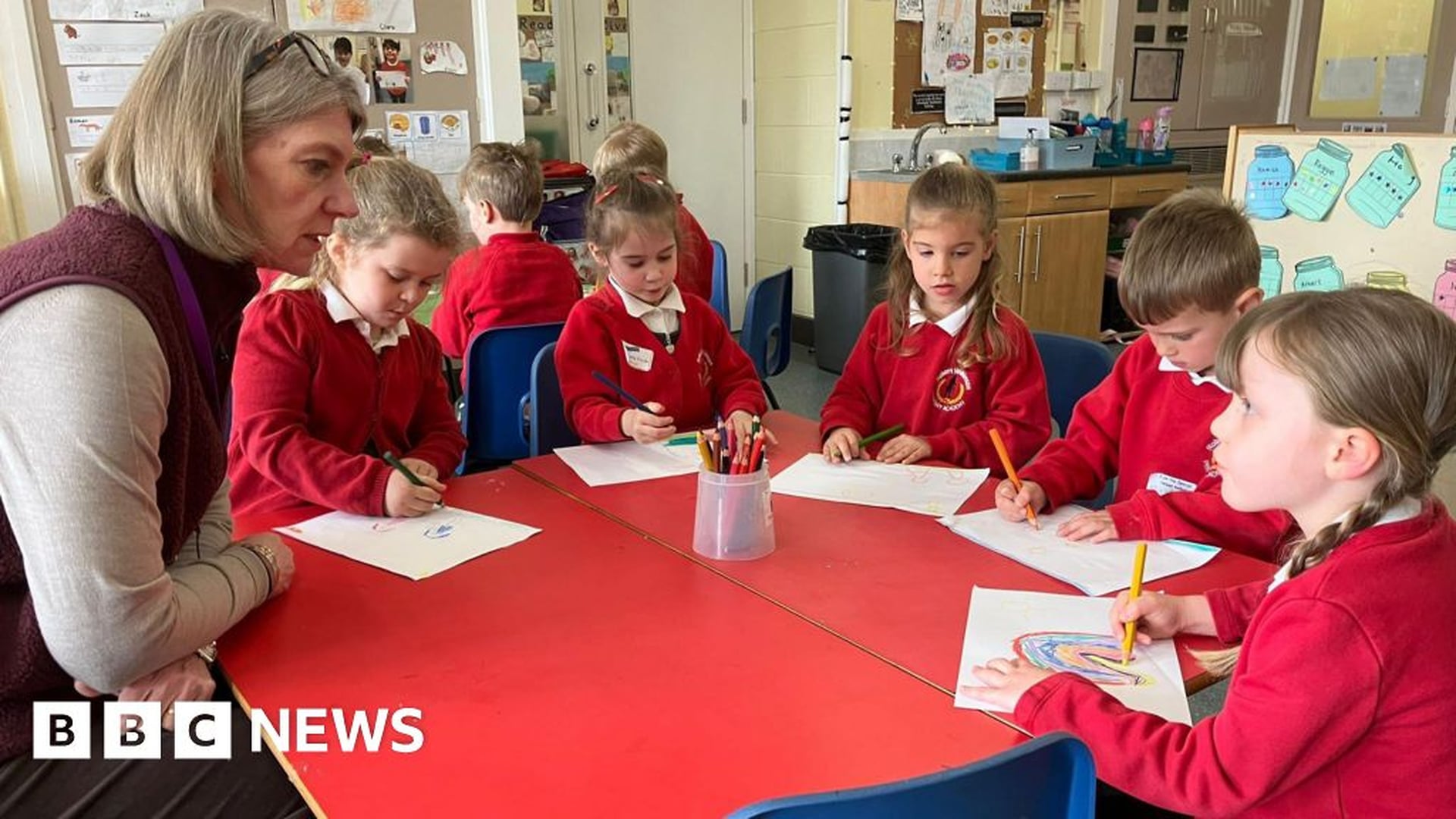
The simple act of starting primary school, once a clear marker of a child's readiness for formal learning, is increasingly revealing a complex global challenge. Across diverse educational landscapes, from bustling urban centers to more remote communities, educators are reporting a significant rise in children entering classrooms without fundamental self-care and communication skills. What was once considered a given – that a five or six-year-old would be largely toilet-trained, able to communicate basic needs, and possess rudimentary social skills – is now becoming an exception in many settings, prompting schools to adapt in unprecedented ways, including, in some instances, providing guidance on basic hygiene practices for parents.
This emerging trend is not confined to any single region or socioeconomic bracket; it is a pervasive issue that underscores a broader shift in early childhood development. Teachers, who are primarily tasked with academic instruction, find themselves dedicating substantial time and resources to addressing foundational needs that traditionally would have been mastered at home or in pre-school settings. This includes assisting children with personal hygiene, helping them articulate simple requests, and guiding them through basic social interactions like sharing or taking turns. The implications extend far beyond the individual child, impacting classroom dynamics, teacher workload, and ultimately, the overall quality of early education for all students.
Several interconnected factors are believed to contribute to this global phenomenon. The rapid proliferation of digital devices and increased screen time among very young children is frequently cited. While digital tools can offer educational benefits, excessive, unsupervised use can displace crucial opportunities for face-to-face interaction, imaginative play, and the development of fine motor skills essential for self-care. Children learn language, social cues, and problem-solving through direct engagement with caregivers and peers, activities that are often curtailed by prolonged exposure to screens. This reduction in real-world interaction can hinder the organic development of communication abilities and social-emotional intelligence.
Changes in family structures and parental lifestyles also play a significant role. In many parts of the world, parents face increasing pressures from work commitments, economic strain, and the demands of modern life, which can limit the time available for direct, unhurried interaction with their children. While parents universally strive to provide the best for their offspring, a lack of awareness regarding developmental milestones or the specific skills children need before starting school can inadvertently contribute to the problem. Some parents may also rely heavily on early childhood care providers, assuming these foundational skills will be fully developed there, without realizing the critical role of consistent reinforcement at home.
Furthermore, the quality and accessibility of early childhood education (ECE) programs vary dramatically across the globe. In areas where high-quality ECE is scarce or unaffordable, children from disadvantaged backgrounds are particularly vulnerable to starting school with developmental gaps. Even in regions with robust ECE systems, there can be a disconnect between the skills emphasized in pre-school and the expectations of primary school. The recent global health crisis also presented unprecedented challenges, with lockdowns and social distancing measures potentially disrupting routines, limiting social exposure, and impacting the structured learning environments that contribute to skill development in young children. While the full long-term effects are still being assessed, many educators report a noticeable regression or stagnation in developmental progress among children who experienced significant disruptions during their formative years.
The burden on primary school educators is immense. Teachers, often already managing large class sizes and diverse learning needs, are now effectively becoming primary caregivers for a portion of their students. This shift in responsibility diverts precious instructional time away from academic subjects, as teachers must address basic needs before any meaningful learning can occur. It necessitates additional training in early childhood development and behavioral management, areas that may not have been central to their initial pedagogical preparation. The emotional toll on educators, who are deeply committed to their students' success but feel overwhelmed by these additional demands, is also a growing concern.
Beyond the immediate challenges for teachers, the lack of foundational skills has profound implications for the children themselves. Children who struggle with toilet training may experience embarrassment and anxiety, affecting their confidence and willingness to participate in classroom activities. Those with underdeveloped communication skills may find it difficult to express their thoughts, ask for help, or build relationships with peers and teachers, leading to feelings of isolation and frustration. These early difficulties can cascade into academic struggles, as children who are not "school-ready" often fall behind quickly, creating a widening achievement gap that becomes increasingly difficult to close in later years. The social-emotional development of these children can also be impacted, potentially leading to behavioral issues or difficulties in self-regulation.
Addressing this global challenge requires a multi-faceted approach involving families, educational institutions, communities, and policymakers. A critical first step is raising parental awareness about the importance of early skill development and providing accessible resources and guidance. This could include workshops, online guides, and community support groups that empower parents with practical strategies for fostering independence, communication, and social skills from infancy. Emphasizing the value of unstructured play, reading aloud, and limiting screen time are simple yet powerful interventions.
Educational systems must also adapt. This involves strengthening early childhood education programs, ensuring they are holistic, play-based, and specifically designed to cultivate foundational skills alongside cognitive development. Investment in high-quality ECE, making it universally accessible and affordable, is paramount. For primary schools, this might mean adjusting curricula to incorporate more explicit teaching of self-care and social skills in the early grades, and providing additional support staff to assist teachers. Professional development for educators should include training in identifying and addressing developmental delays, as well as strategies for collaborating effectively with families.
Furthermore, broader societal shifts are necessary. Promoting policies that support families, such as parental leave and flexible work arrangements, can enable parents to dedicate more time to their children's early development. Community initiatives, like libraries offering story times and play groups, or local health centers providing developmental screenings and parenting advice, can create supportive ecosystems for young families. Recognizing that school readiness is a collective responsibility, not solely that of parents or teachers, is crucial.
Ultimately, the goal is to ensure that every child begins their educational journey with the best possible foundation, equipped not just with nascent academic abilities but also with the essential life skills that foster independence, confidence, and a love for learning. By proactively addressing the global challenge of children starting school unprepared, societies can invest in the long-term well-being of their youngest citizens and strengthen the fabric of their educational systems for generations to come. This requires a concerted, collaborative effort to re-prioritize early childhood development as a cornerstone of global health and education.
Support Nivaran Foundation's initiatives to promote quality early childhood education and health programs worldwide.
Talk to Nivaran Global