
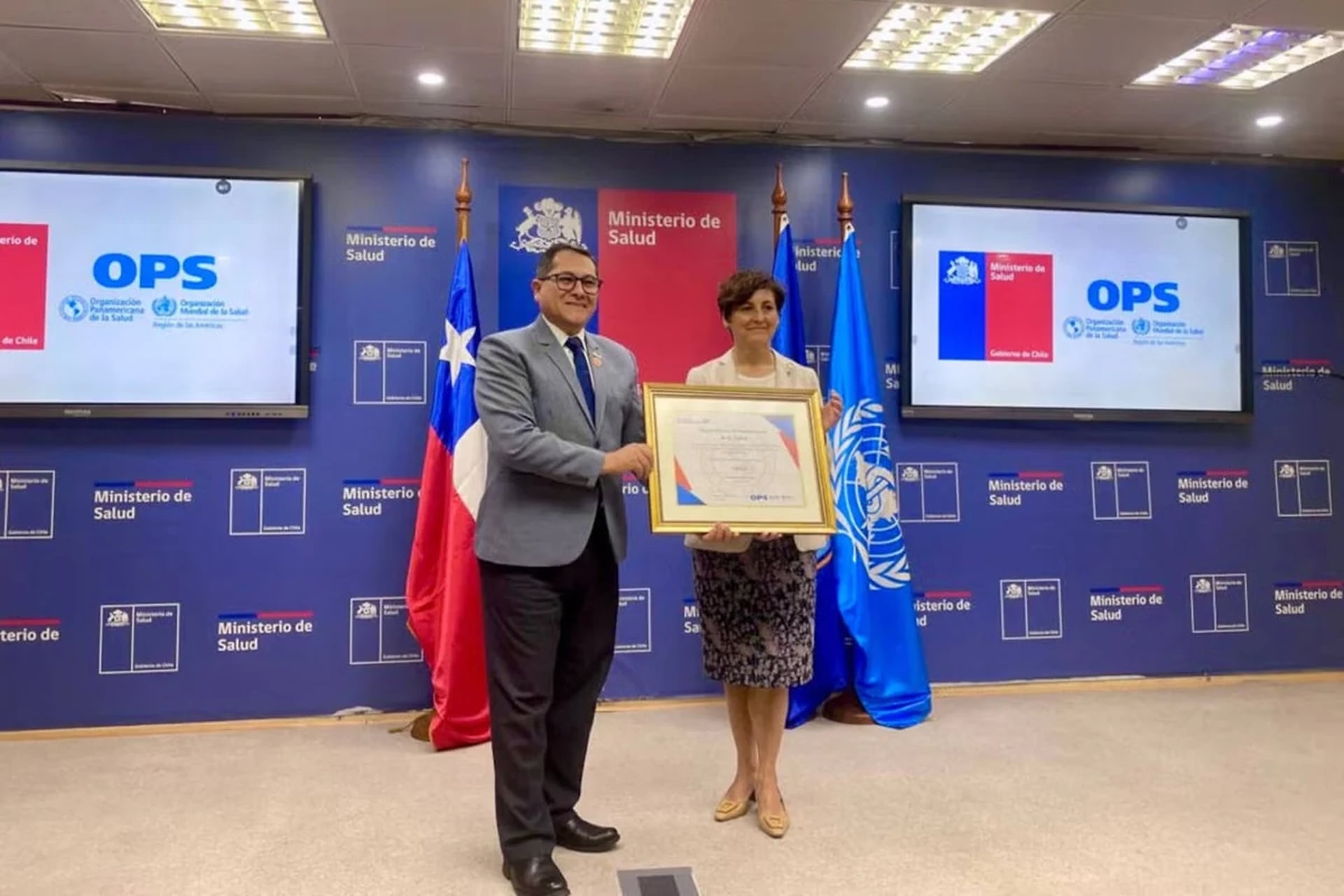
Chile has etched its name into the annals of global health history, achieving a monumental milestone as the first nation in the Americas to be officially verified by the World Health Organization (WHO) for the elimination of leprosy. This profound accomplishment, announced in collaboration with the Pan American Health Organization (PAHO), not only signifies a triumph for the South American country but also serves as a powerful testament to the efficacy of sustained public health initiatives and a beacon of hope for the worldwide eradication of ancient scourges. The verification places Chile among a select few nations globally to reach this status, marking a significant step forward in the ongoing battle against neglected tropical diseases.
For millennia, leprosy, caused by the bacterium Mycobacterium leprae, has cast a long shadow over humanity. Historically shrouded in fear, stigma, and misunderstanding, it has been associated with severe physical disfigurement, social ostracization, and immense psychological suffering. Ancient texts and historical accounts across diverse cultures bear witness to its devastating impact, often leading to the isolation of affected individuals and perpetuating cycles of poverty and marginalization. The disease primarily affects the skin, peripheral nerves, upper respiratory tract, eyes, and testes, and if left untreated, can lead to progressive and irreversible disabilities. The social stigma attached to leprosy, often fueled by misinformation and religious misconceptions, has historically been as debilitating as the physical manifestations of the disease itself, creating barriers to diagnosis and treatment and hindering efforts to control its spread.
The turning point in the global fight against leprosy arrived with the advent of Multi-Drug Therapy (MDT) in the early 1980s. Endorsed and promoted by the WHO, MDT revolutionized treatment by combining three powerful antibiotics – rifampicin, dapsone, and clofazimine – into a highly effective and relatively short course of treatment. Crucially, MDT was made available free of charge to all patients worldwide, a strategic decision that dramatically increased access and adherence. This therapeutic breakthrough transformed leprosy from an incurable, lifelong affliction into a curable disease, paving the way for the concept of elimination. Public health strategies then focused on active case finding, ensuring early diagnosis before significant nerve damage occurred, and providing complete, supervised treatment to interrupt transmission. The definition of leprosy elimination, set by the WHO, is achieving a prevalence rate of less than one case per 10,000 population at the national level, a target that many countries have strived to meet.
Chile's journey to this historic achievement is a compelling narrative of unwavering commitment, robust healthcare infrastructure, and dedicated human resources. The nation embarked on a comprehensive national program decades ago, integrating leprosy control into its primary healthcare system. This approach ensured that surveillance, diagnosis, and treatment were accessible even in remote or underserved areas. Key to Chile's success was its sustained political will, which translated into consistent funding and policy support for leprosy elimination efforts. Healthcare workers, from community health volunteers to specialist physicians, played an indispensable role, often working tirelessly to identify new cases, administer MDT, and provide essential follow-up care. The country implemented rigorous epidemiological surveillance systems, meticulously tracking cases, monitoring treatment outcomes, and investigating potential sources of infection. This systematic approach allowed for targeted interventions and ensured that no case went unnoticed or untreated. Furthermore, public awareness campaigns were crucial in combating the pervasive stigma associated with leprosy, encouraging individuals to seek early diagnosis and treatment without fear of discrimination. The collaboration with international bodies like PAHO and WHO provided technical guidance, training, and resources, reinforcing national efforts and ensuring adherence to global best practices.
The implications of Chile's success extend far beyond its borders. It serves as a powerful model and an inspiring blueprint for other countries still grappling with the burden of leprosy, particularly those in endemic regions of Asia, Africa, and Latin America. The achievement demonstrates that with sustained political commitment, effective public health strategies, accessible healthcare, and community engagement, even ancient and deeply entrenched diseases can be overcome. It underscores the importance of integrating disease-specific programs within broader primary healthcare frameworks, ensuring sustainability and equitable access. However, the fight is far from over. Even after achieving elimination status, continued vigilance is paramount due to leprosy's long incubation period, which can range from several months to several decades. This means that new cases can still emerge years after transmission has been interrupted, necessitating ongoing surveillance and rapid response mechanisms. Chile's experience highlights the need for robust post-elimination strategies to prevent resurgence and maintain the gains made.
Globally, leprosy remains a significant public health challenge in many regions. Despite the dramatic decline in prevalence since the introduction of MDT, over 200,000 new cases are still reported annually worldwide. The disease disproportionately affects marginalized and vulnerable populations, often in areas with limited access to healthcare, poor sanitation, and crowded living conditions. Ongoing challenges include late diagnosis, which can lead to irreversible disabilities and continued transmission; the persistent social stigma that discourages individuals from seeking help; and the need for improved diagnostic tools that can detect the infection earlier, even before clinical symptoms manifest. Research into new diagnostic methods, shorter treatment regimens, and a potential vaccine remains critical to accelerate progress towards global eradication. Furthermore, addressing the socio-economic determinants of health that contribute to leprosy's persistence is essential for achieving lasting elimination.
The global health community, including organizations like the Nivaran Foundation, continues to advocate for and support comprehensive programs aimed at eliminating neglected tropical diseases worldwide. Chile’s accomplishment reinforces the belief that a world free from leprosy is an achievable goal, not merely a distant aspiration. It calls for renewed global solidarity, increased investment in research and development, and strengthened healthcare systems capable of reaching every individual, regardless of their location or socio-economic status. The lessons learned from Chile's methodical and persistent approach offer invaluable insights into how to tackle complex health challenges, demonstrating that collective action and unwavering dedication can indeed lead to historic victories against diseases that have plagued humanity for millennia.
In conclusion, Chile's verification for leprosy elimination is a landmark achievement, symbolizing a triumph of human ingenuity, scientific progress, and dedicated public health efforts. It represents not just the eradication of a disease within its borders, but a powerful message of hope and possibility for the entire world. As the global community continues its efforts to achieve universal health coverage and combat all forms of preventable suffering, Chile stands as a shining example of what can be accomplished when a nation commits wholeheartedly to the health and well-being of its people. This victory against leprosy is a victory for all of humanity, propelling us closer to a future where such ancient scourges are relegated to the history books.
Support Nivaran Foundation's work in strengthening healthcare systems and combating neglected diseases worldwide.
Talk to Nivaran Global