
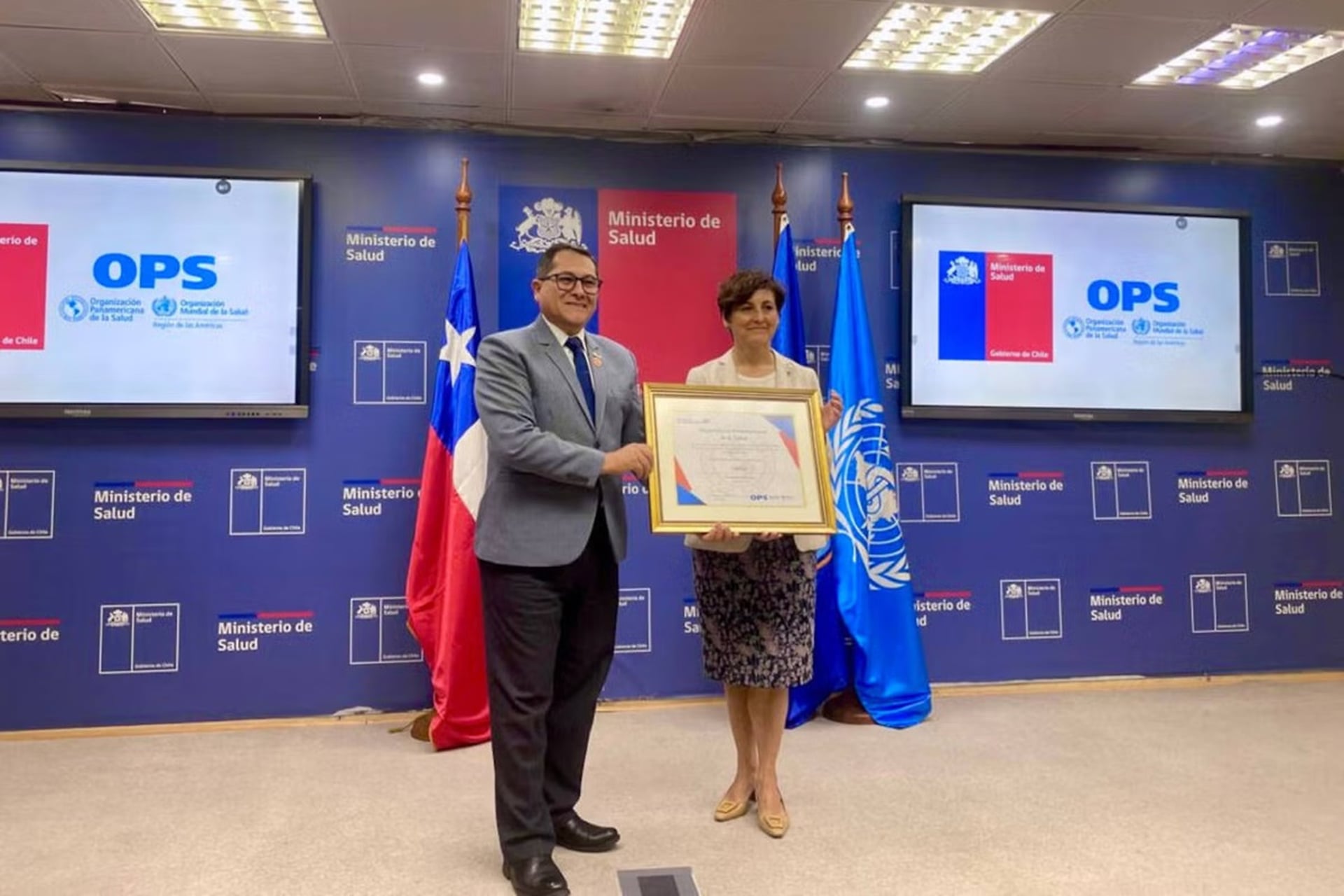
In a landmark achievement for global public health, Chile has been officially verified by the World Health Organization (WHO) and the Pan American Health Organization (PAHO) as having eliminated leprosy. This monumental milestone positions Chile as the first country in the Americas and only the second globally to reach this crucial benchmark, underscoring the profound impact of sustained political will, robust public health initiatives, and dedicated healthcare professionals. The verification, announced on March 4, 2026, represents the culmination of decades of concerted effort, offering a powerful testament to what can be achieved when nations commit to eradicating ancient diseases.
Leprosy, a chronic infectious disease caused by the bacterium Mycobacterium leprae, has plagued humanity for millennia. Historically, it has been associated with severe stigma, social exclusion, and debilitating physical deformities, leading to immense suffering and discrimination for those affected. The disease primarily targets the skin, peripheral nerves, upper respiratory tract, eyes, and testes. While not highly contagious, it can spread through close and frequent contact with untreated individuals. For centuries, the lack of effective treatment meant a life sentence of isolation and progressive disability, perpetuating myths and fears surrounding the condition. The global fight against leprosy gained significant momentum with the advent of multi-drug therapy (MDT), a highly effective combination of antibiotics that can cure the disease and prevent disability if administered early.
The global strategy for leprosy control underwent a transformative shift in the early 1980s when WHO recommended MDT for all forms of leprosy. This groundbreaking therapy, provided free of charge by WHO since 1995, revolutionized the approach to the disease, making it curable and significantly reducing its transmission. The widespread implementation of MDT has led to a dramatic decline in leprosy cases worldwide, with millions of people cured. However, achieving elimination—defined as a prevalence rate of less than 1 case per 10,000 population at the national level—requires more than just effective treatment; it demands comprehensive public health strategies, sustained surveillance, and unwavering commitment to reach every affected individual, particularly in remote or marginalized communities.
Chile’s journey to leprosy elimination is a compelling narrative of meticulous planning and persistent execution. The nation implemented a multi-pronged strategy that focused on several critical pillars. Firstly, early case detection was paramount. This involved active case finding through community outreach programs, health campaigns, and training healthcare workers at the primary care level to recognize the subtle signs of leprosy. By identifying cases early, not only could individuals receive prompt treatment, but the chain of transmission within communities could also be broken more effectively. Secondly, Chile ensured universal access to MDT, guaranteeing that every diagnosed patient received the full, uninterrupted course of treatment. This required robust supply chain management, patient follow-up, and support mechanisms to ensure adherence, which is crucial for successful outcomes and preventing drug resistance.
Furthermore, Chile strategically integrated leprosy services into its general healthcare system, moving away from segregated, specialized institutions that often contributed to stigma. This integration allowed for a more holistic approach to patient care, normalized the disease, and made it easier for individuals to seek help without fear of isolation. Public awareness and destigmatization campaigns played a vital role in this process, educating the public about leprosy’s curability and challenging long-held misconceptions. These campaigns encouraged people to come forward for diagnosis and treatment, fostering an environment of trust and reducing barriers to care. The sustained political will and financial investment from the Chilean government were indispensable, providing the necessary resources for long-term programs, infrastructure, and personnel development.
Crucially, Chile maintained a rigorous surveillance system even as cases declined. This involved meticulous data collection, reporting, and monitoring of new cases, as well as post-treatment follow-up to detect any relapses or complications. This robust epidemiological surveillance allowed public health authorities to track the disease’s trajectory, identify any potential hotspots, and intervene swiftly. The collaboration with international bodies like WHO and PAHO was also instrumental, providing technical guidance, expert consultation, and validation throughout the process. This partnership ensured that Chile’s strategies aligned with global best practices and that its data met the stringent requirements for verification.
The verification process itself is a rigorous undertaking, involving an independent review by a panel of international experts. This panel scrutinizes national data, assesses the quality of surveillance systems, evaluates the effectiveness of treatment programs, and conducts field visits to confirm the absence of local transmission and the sustained low prevalence of the disease. For Chile to pass this stringent evaluation underscores the exceptional quality and sustainability of its public health infrastructure and its unwavering commitment to the health of its population. The achievement is not merely a statistical benchmark but a profound humanitarian victory, liberating individuals and communities from the burden of a disease that has caused immense suffering for centuries.
Chile’s success serves as a powerful blueprint and an inspiring example for other nations in the Americas and globally that are still grappling with leprosy. While the overall burden of leprosy has significantly decreased in the Americas, countries like Brazil continue to report a substantial number of new cases, highlighting the ongoing challenges in certain regions. Chile’s experience demonstrates that with targeted interventions, strong political commitment, and community engagement, even long-standing diseases can be brought under control and ultimately eliminated. It underscores the importance of cross-border collaboration, sharing best practices, and sustained regional efforts to achieve a leprosy-free Americas.
Globally, leprosy is one of the 20 neglected tropical diseases (NTDs) targeted for elimination by WHO. Chile’s achievement provides significant momentum to the broader fight against NTDs, demonstrating that with concerted global and national efforts, these diseases can be overcome. However, vigilance remains critical even after elimination. Post-elimination surveillance is essential to prevent re-emergence, especially given global travel and migration patterns. Continued research into diagnostics and vaccines, along with addressing the underlying socioeconomic factors that contribute to disease persistence, will be vital for maintaining a leprosy-free status and achieving a world where no one suffers from preventable diseases. Chile’s triumph is a beacon of hope, illustrating that a healthier, more equitable world is not just an aspiration but an attainable reality through dedicated public health action.
Support Nivaran Foundation's global initiatives to combat preventable diseases and foster health equity worldwide.
Talk to Nivaran Global