
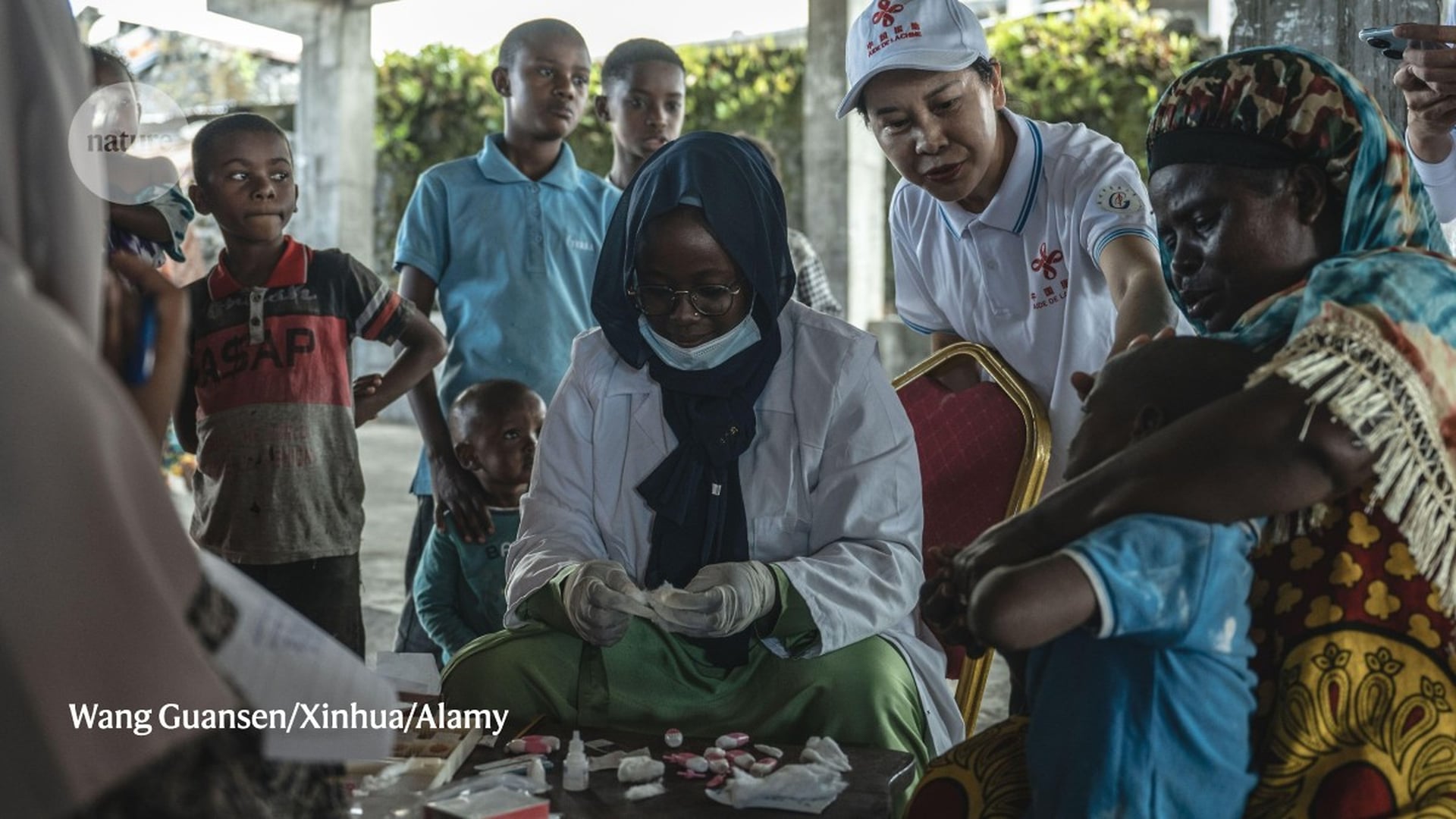
China's burgeoning role in global development has increasingly extended its reach into the health sector, particularly across the African continent. What began decades ago as a gesture of solidarity through medical teams has evolved into a comprehensive strategy encompassing infrastructure development, medical supply chains, disease control initiatives, and significant financial investments. This multifaceted engagement has undeniably reshaped Africa's healthcare landscape, offering both unprecedented opportunities and raising complex questions about sustainability, equity, and geopolitical influence. As African nations strive to strengthen their health systems, understanding the intricate dynamics of China's contributions becomes paramount for policymakers, public health experts, and the international community alike.
China's foray into African healthcare dates back to the 1960s, with the dispatch of its first medical team to Algeria in 1963. This early initiative, rooted in the spirit of South-South cooperation, laid the groundwork for a sustained presence. Over the decades, these medical teams have provided direct patient care, performed surgeries, and trained local staff, often in remote and underserved areas. However, the scope of engagement broadened significantly in the 21st century, particularly with the Forum on China-Africa Cooperation (FOCAC) framework. This shift saw China transition from primarily providing direct medical aid to becoming a major investor in health infrastructure, a supplier of pharmaceuticals and medical equipment, and a partner in addressing public health crises, marking a more strategic and economically driven approach.
One of the most visible and impactful aspects of China's health engagement in Africa is its substantial investment in healthcare infrastructure. Beijing has financed and constructed numerous hospitals, clinics, and medical research centers across the continent, often in regions where such facilities were critically lacking. These projects range from large-scale provincial hospitals to smaller, community-level health posts, significantly expanding access to modern medical services for millions. Beyond physical structures, China has also been a crucial supplier of medical equipment, from basic diagnostic tools to advanced imaging machines, helping to equip these new facilities and upgrade existing ones.
Furthermore, China's commitment to disease control and prevention has been a cornerstone of its health diplomacy. During outbreaks such as Ebola in West Africa and the recent COVID-19 pandemic, China rapidly deployed emergency medical teams, donated vast quantities of personal protective equipment (PPE), testing kits, and vaccines, and shared epidemiological expertise. This swift response often filled critical gaps, particularly when traditional Western aid mechanisms were slower to mobilize. The establishment of the Africa Centres for Disease Control and Prevention (Africa CDC) headquarters in Addis Ababa, financed and built by China, stands as a testament to this commitment, aiming to bolster Africa's capacity for disease surveillance and response.
The training and capacity-building initiatives are another significant positive. Chinese medical teams not only provide direct care but also engage in knowledge transfer, training local healthcare professionals in various specialties. Scholarships for African students to study medicine in China have also contributed to building a skilled health workforce on the continent. Moreover, the availability of affordable Chinese pharmaceuticals and medical consumables has been vital for many African countries struggling with budget constraints, offering cost-effective alternatives to often more expensive Western products and improving the accessibility of essential medicines.
Despite these tangible benefits, China's health role in Africa is not without its complexities and criticisms. A primary concern revolves around the financial sustainability of some infrastructure projects. While the construction of new hospitals is welcomed, the long-term operational costs, maintenance, and staffing often fall back on already strained African national budgets. Critics argue that some loans for these projects contribute to Africa's growing debt burden, raising questions about the true cost of "aid" versus commercially driven investments.
Another area of scrutiny pertains to the quality and regulatory oversight of some Chinese medical products. While many products meet international standards, instances of substandard pharmaceuticals or medical devices have been reported, leading to concerns about patient safety and the integrity of supply chains. Ensuring rigorous quality control and adherence to international regulatory frameworks remains a persistent challenge that requires greater transparency and collaboration.
Moreover, the "fly-in, fly-out" nature of some Chinese medical teams and the perceived lack of deep integration with local health systems have sometimes limited the long-term impact of capacity building. While training is provided, critics suggest that a more sustained and collaborative approach, focusing on strengthening local institutions and fostering genuine partnerships, would yield more enduring results. There are also concerns about the potential displacement of local pharmaceutical industries by the influx of Chinese products, hindering the development of domestic manufacturing capabilities crucial for long-term health security.
Geopolitical motivations are also frequently cited. While China frames its engagement as South-South cooperation, some observers view it through the lens of Beijing's broader strategic objectives in Africa, including securing access to resources, expanding its diplomatic influence, and creating new markets for its industries. This perspective raises questions about the alignment of Chinese health initiatives with African countries' own health priorities and development agendas, emphasizing the need for African agency in shaping these partnerships.
Navigating the intricate landscape of China's health engagement in Africa requires a nuanced understanding of both its immense potential and its inherent challenges. For African nations, the imperative is to leverage Chinese resources and expertise in a manner that genuinely strengthens their health systems, promotes self-reliance, and aligns with their national health strategies. This means advocating for greater transparency in financing agreements, ensuring robust quality control mechanisms for medical products, and fostering deeper, more equitable partnerships that prioritize long-term capacity building over short-term gains.
For China, a path towards more sustainable and impactful engagement would involve greater consultation with African stakeholders, a stronger emphasis on local ownership and maintenance of projects, and a commitment to integrating its initiatives within existing international health frameworks. Addressing concerns about debt, quality, and local industry development will be crucial for building trust and ensuring that its contributions are truly beneficial and not merely transactional. The future of global health increasingly hinges on such complex, multi-polar collaborations, and the China-Africa health partnership serves as a critical case study in navigating these evolving dynamics.
China's role in Africa's health sector is a powerful illustration of the complexities inherent in global health diplomacy and development. It represents a significant force in addressing Africa's immense health needs, providing vital infrastructure, medical supplies, and emergency response capabilities. Simultaneously, it presents challenges related to financial sustainability, product quality, and the strategic alignment of interests. Moving forward, the success of this partnership will depend on a shared commitment to transparency, mutual respect, and a clear focus on strengthening African health systems for the long term, ensuring that the benefits of collaboration genuinely serve the health and well-being of the continent's diverse populations.
Support Nivaran Foundation's independent global health reporting and help us illuminate critical issues impacting communities worldwide.
Talk to Nivaran Global