
The world stands on the cusp of an unprecedented demographic shift, with populations aging at a rate never before seen in human history. This global phenomenon presents both triumphs of modern medicine and significant challenges for healthcare systems worldwide. As life expectancies rise, so too does the prevalence of chronic conditions, the need for long-term care, and the demand for support services that extend beyond traditional clinical settings. In many nations, a growing shortage of medical professionals, coupled with increasingly strained public health budgets, threatens to leave millions of older adults vulnerable, at risk of isolation, and without the comprehensive care they need to thrive. It is within this critical context that the role of community health workers (CHWs) emerges as not just beneficial, but absolutely essential, serving as a vital bridge between formal healthcare institutions and the daily realities of an aging global populace.
The challenges confronting older adults are multifaceted and often interconnected. Beyond managing chronic diseases like diabetes, heart conditions, and arthritis, many face issues related to mobility, nutrition, medication adherence, and mental well-being. Social isolation, a silent epidemic, can exacerbate these physical ailments, leading to depression, cognitive decline, and a reduced quality of life. Access to care is another significant hurdle; for those in rural areas, low-income communities, or with limited mobility, simply getting to a doctor's appointment can be an insurmountable task. Furthermore, navigating complex healthcare bureaucracies, understanding medical jargon, and coordinating multiple specialist visits can be overwhelming, particularly for individuals who may have limited literacy or speak a different primary language than their healthcare providers. Without proactive intervention and personalized support, many older individuals risk frequent hospitalizations, preventable health crises, and a diminished capacity to age with dignity and independence in their own homes and communities.
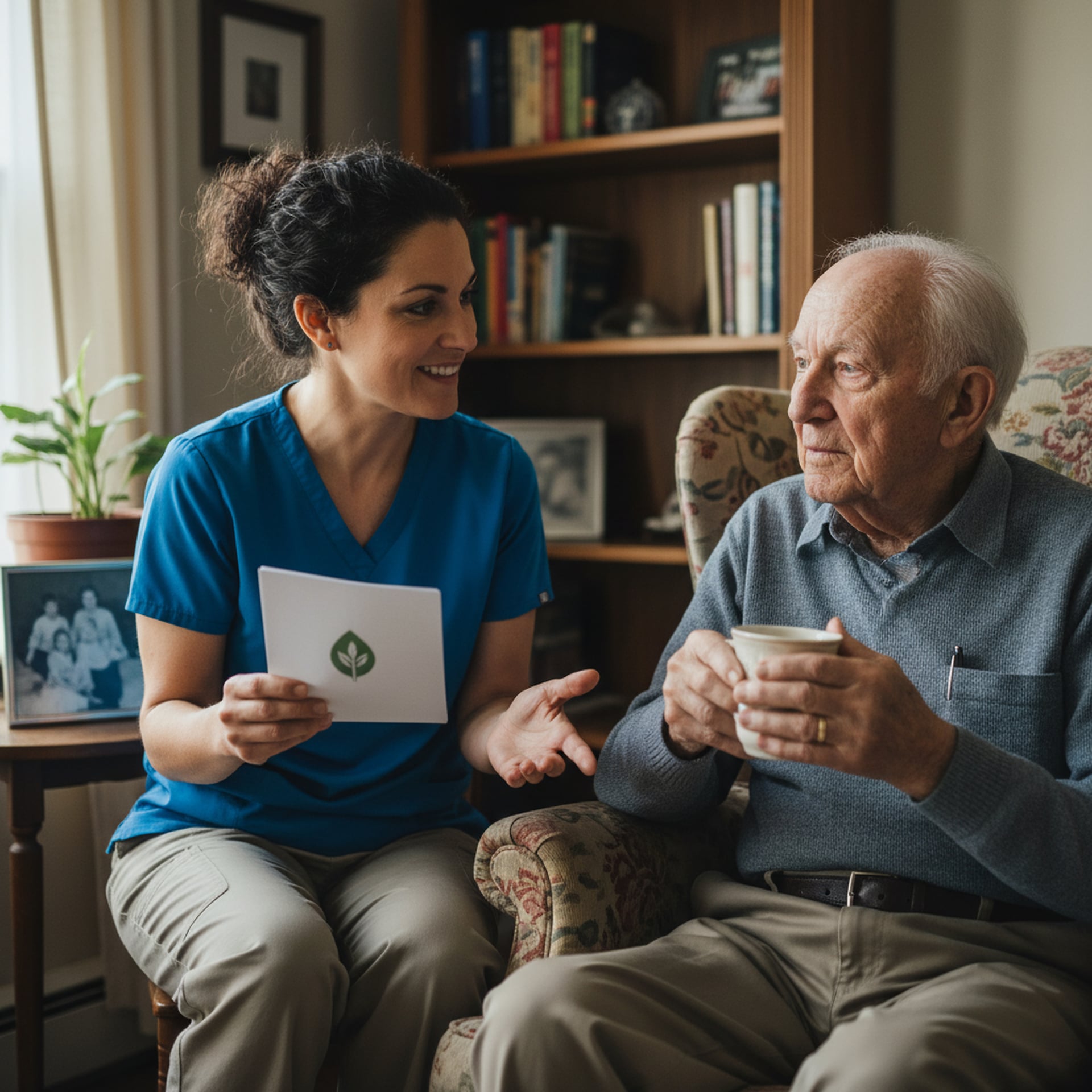
This is precisely where the unique value proposition of community health workers shines. Unlike doctors or nurses who typically operate within clinical environments, CHWs are often members of the communities they serve, sharing cultural backgrounds, languages, and lived experiences with the individuals they assist. This inherent trust and cultural competency allow them to forge strong, empathetic relationships, fostering an environment where older adults feel comfortable discussing their needs, fears, and challenges. Their work extends far beyond medical advice; it encompasses a holistic approach to well-being. CHWs act as trusted guides, helping older adults understand their diagnoses, manage their medications, and adhere to treatment plans. They provide crucial health education, offering practical advice on healthy eating, exercise routines, and strategies for fall prevention, empowering individuals to take a more active role in managing their own health.
Moreover, CHWs play an indispensable role in connecting older adults to a broader network of social and support services. They can assist with scheduling appointments, arranging transportation, applying for social benefits, and linking individuals to local food banks, senior centers, or social clubs. By addressing social determinants of health – factors like housing, food security, and social connection – CHWs tackle the root causes of poor health outcomes, not just the symptoms. For an older person struggling with loneliness, a CHW might facilitate participation in a local community group; for someone with limited resources, they might help secure financial aid for medications or utilities. This proactive, person-centered approach significantly reduces the likelihood of health crises, thereby alleviating pressure on emergency services and costly hospital admissions. The preventative nature of their work translates into substantial long-term savings for healthcare systems, demonstrating their economic as well as social value.
The global implementation and scaling of effective community health worker programs, however, are not without their challenges. A primary hurdle is securing sustainable funding. While the long-term cost savings are evident, initial investment in training, fair compensation, and infrastructure can be substantial. Many programs rely on grant funding, which can be precarious and limit long-term planning. There is also a need for standardized training curricula and certification processes to ensure a consistent level of quality and professionalism across diverse settings. Integrating CHWs seamlessly into existing healthcare structures requires careful planning and collaboration between medical professionals, social workers, and community organizations. Healthcare providers need to understand and value the unique contributions of CHWs, viewing them as integral members of the care team rather than peripheral assistants. Furthermore, robust data collection and evaluation mechanisms are essential to continuously demonstrate the impact of CHW interventions, providing evidence for policymakers and funders to support their expansion.
Despite these challenges, numerous examples from various regions of the world underscore the transformative potential of CHWs. Programs focused on chronic disease management, for instance, have shown remarkable success in improving blood sugar control for individuals with diabetes or reducing readmission rates for patients with heart failure. Initiatives aimed at mental wellness, particularly in communities with limited access to psychiatric services, have seen CHWs effectively identify individuals at risk, provide basic counseling, and facilitate referrals to specialized care. In post-hospital discharge scenarios, CHWs ensure a smooth transition back home, preventing complications and subsequent hospitalizations by verifying medication adherence, arranging follow-up appointments, and addressing any immediate needs in the home environment. These diverse applications highlight the adaptability and versatility of the CHW model, proving its efficacy across a spectrum of health needs and cultural contexts.
The Nivaran Foundation recognizes that strengthening global health systems requires innovative, community-led solutions that prioritize prevention and holistic well-being. Investing in community health workers is not merely an act of compassion; it is a strategic imperative for building resilient, equitable, and sustainable healthcare infrastructures capable of meeting the demands of an aging world. By empowering individuals who understand their communities best, we can ensure that older adults receive the personalized, culturally sensitive support they need to live healthier, more connected, and more fulfilling lives. Their role is a testament to the power of human connection in healthcare, proving that sometimes, the most profound impact comes from those who walk alongside us, guiding us through the complexities of life and health. As global populations continue to age, the quiet dedication and invaluable contributions of community health workers will undoubtedly become an even more critical cornerstone of public health, ensuring that no older person is left to navigate the challenges of aging alone.
Support Nivaran Foundation's efforts to empower community health initiatives that strengthen global healthcare for all ages.
Talk to Nivaran Global