
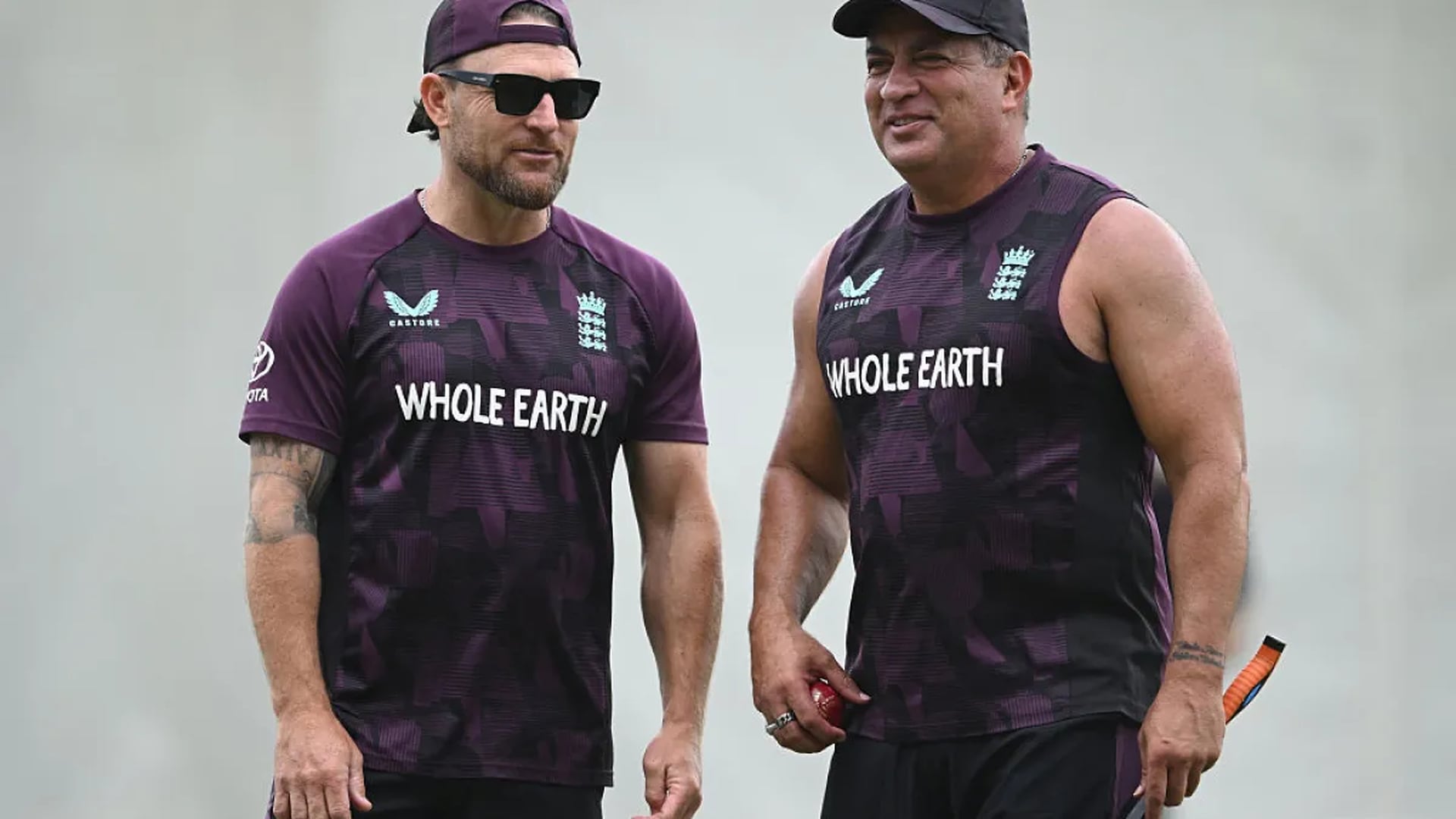
The recent decision by a basement county cricket club in Kent, England, to prohibit social media comments on its platforms marks a significant, albeit localized, step in addressing a pervasive global issue: the mental health of professional athletes in the digital age. Led by former international player Adam Hollioake, the club's pioneering move stems from a profound concern for the psychological well-being of its players, acknowledging the often-unseen toll of constant public scrutiny and online abuse. While the initiative originates from a specific sporting context, its implications resonate far beyond the boundaries of English cricket, igniting a crucial conversation about the responsibilities of sports organizations, the impact of digital platforms, and the fundamental right of individuals, regardless of their profession, to a safe and supportive environment. This development serves as a stark reminder that the challenges posed by social media's darker side are not confined to any single sport or region but represent a universal concern demanding global attention and innovative solutions.
The rise of social media has fundamentally reshaped the relationship between athletes and their fans, offering unprecedented levels of engagement but also opening a Pandora's box of potential harm. What began as a platform for connection and community has, for many professional sports figures, devolved into a relentless arena of criticism, personal attacks, and even outright abuse. Athletes, often revered as heroes, are simultaneously vulnerable targets, subjected to a barrage of comments about their performance, appearance, personal lives, and even their character. This constant exposure to negativity, often from anonymous accounts, can have devastating effects on mental health, contributing to anxiety, depression, loss of confidence, and even burnout. The pressure to perform under the glare of millions of digital eyes, coupled with the immediate and often brutal feedback loop of social media, creates an environment where mental resilience is tested to its absolute limits. This phenomenon is not unique to cricket; it permeates football, basketball, tennis, and virtually every sport with a significant online following, highlighting a systemic vulnerability that transcends cultural and geographical boundaries.
Adam Hollioake's leadership in implementing this social media comment ban at Kent is rooted in a deep understanding of the pressures faced by modern athletes. Having experienced the highs and lows of professional sport himself, he recognizes that the current digital landscape adds an entirely new layer of complexity to player welfare. The rationale behind the ban is clear: to create a sanctuary where players can focus on their game and personal development without the constant fear of online backlash. By removing the direct channel for public commentary on club-owned platforms, the club aims to mitigate the immediate psychological impact of negative feedback, allowing players to maintain a healthier distance from external pressures. This proactive measure acknowledges that while social media engagement can be beneficial for brand building and fan interaction, the potential for harm to individual well-being often outweighs these advantages, especially when platforms lack adequate moderation or users feel emboldened by anonymity. The move is a bold statement, prioritizing human welfare over unrestricted digital interaction, and challenging the conventional wisdom that all engagement is good engagement.
The Kent initiative is not an isolated incident but rather a potent symbol of a growing global movement within professional sports to address athlete mental health more comprehensively. Across various leagues and disciplines, there's an increasing recognition that physical prowess alone is insufficient for sustained success; mental fortitude and well-being are equally, if not more, critical. While outright bans on social media comments are still relatively rare, many organizations are exploring alternative strategies. These include providing dedicated mental health support teams, offering digital literacy and resilience training, establishing stricter codes of conduct for online fan behavior, and collaborating with social media platforms to enhance moderation and reporting mechanisms for abuse. Some federations have even implemented internal guidelines for players' social media use, encouraging responsible engagement while also providing avenues for reporting harassment. The challenge lies in balancing the desire for fan engagement, which is vital for revenue and popularity, with the imperative to protect athletes from the darker aspects of online interaction. This delicate equilibrium is a subject of intense debate and innovation across the global sporting landscape, with Kent's decision adding a significant data point to the discussion.
Beyond specific bans, the conversation around athlete mental health in the digital age increasingly revolves around the concept of "digital detox" and fostering individual resilience. Athletes are being encouraged, and in some cases mandated, to take breaks from social media, particularly during crucial periods of competition or recovery. The constant connectivity, the pressure to maintain an online persona, and the fear of missing out (FOMO) can exacerbate stress and anxiety. Therefore, strategies that promote mindful engagement, setting boundaries, and disconnecting from the digital world are becoming integral components of athlete welfare programs. This includes educating players on the psychological mechanisms behind online abuse, helping them develop coping strategies, and providing secure channels for reporting harassment without fear of reprisal. The goal is not necessarily to eliminate social media entirely, but to empower athletes to navigate its complexities in a way that safeguards their mental health, allowing them to harness its positive aspects while minimizing exposure to its detrimental effects. This holistic approach recognizes that while external measures like comment bans are helpful, internal resilience and digital literacy are equally vital tools for long-term well-being.
The responsibility for protecting athletes from online toxicity extends beyond individual clubs and players to governing bodies and, critically, to the social media platforms themselves. Sports federations worldwide are under increasing pressure to implement robust policies that protect their athletes, including clear guidelines on acceptable online conduct for fans and severe penalties for those who engage in abuse. This often involves working with law enforcement in cases of severe harassment or threats. Simultaneously, social media companies face growing calls to enhance their moderation capabilities, improve reporting mechanisms, and take more proactive steps to identify and remove harmful content and accounts. While platforms have made strides in this area, critics argue that progress is too slow and that the sheer volume of content makes effective policing incredibly challenging. The economic incentives of maximizing engagement often clash with the ethical imperative to ensure user safety, creating a complex ethical dilemma that requires concerted effort from all stakeholders. A truly global solution would necessitate a collaborative framework involving sports organizations, athletes' unions, mental health experts, and technology giants to forge a safer digital environment for all.
The decision by the Kent cricket club, while focused on a specific team, serves as a powerful microcosm of a global challenge. It underscores the urgent need for a paradigm shift in how professional sports, and society at large, approach the intersection of digital technology and mental well-being. As the world becomes increasingly interconnected, the lines between public and private life blur, placing unprecedented psychological demands on public figures, particularly athletes. The proactive stance taken by Adam Hollioake and Kent is a testament to the growing awareness that prioritizing mental health is not merely an ethical obligation but a strategic imperative for fostering sustainable careers and healthier individuals. This initiative should inspire further dialogue and action, prompting other clubs, leagues, and governing bodies worldwide to critically evaluate their own digital strategies and implement measures that genuinely protect their most valuable assets: their players. Ultimately, creating a truly supportive environment for athletes in the digital age requires a collective commitment to empathy, respect, and the fundamental recognition that mental health is paramount.
Your support enables Nivaran Foundation to champion mental health awareness and well-being initiatives worldwide.
Talk to Nivaran Global