
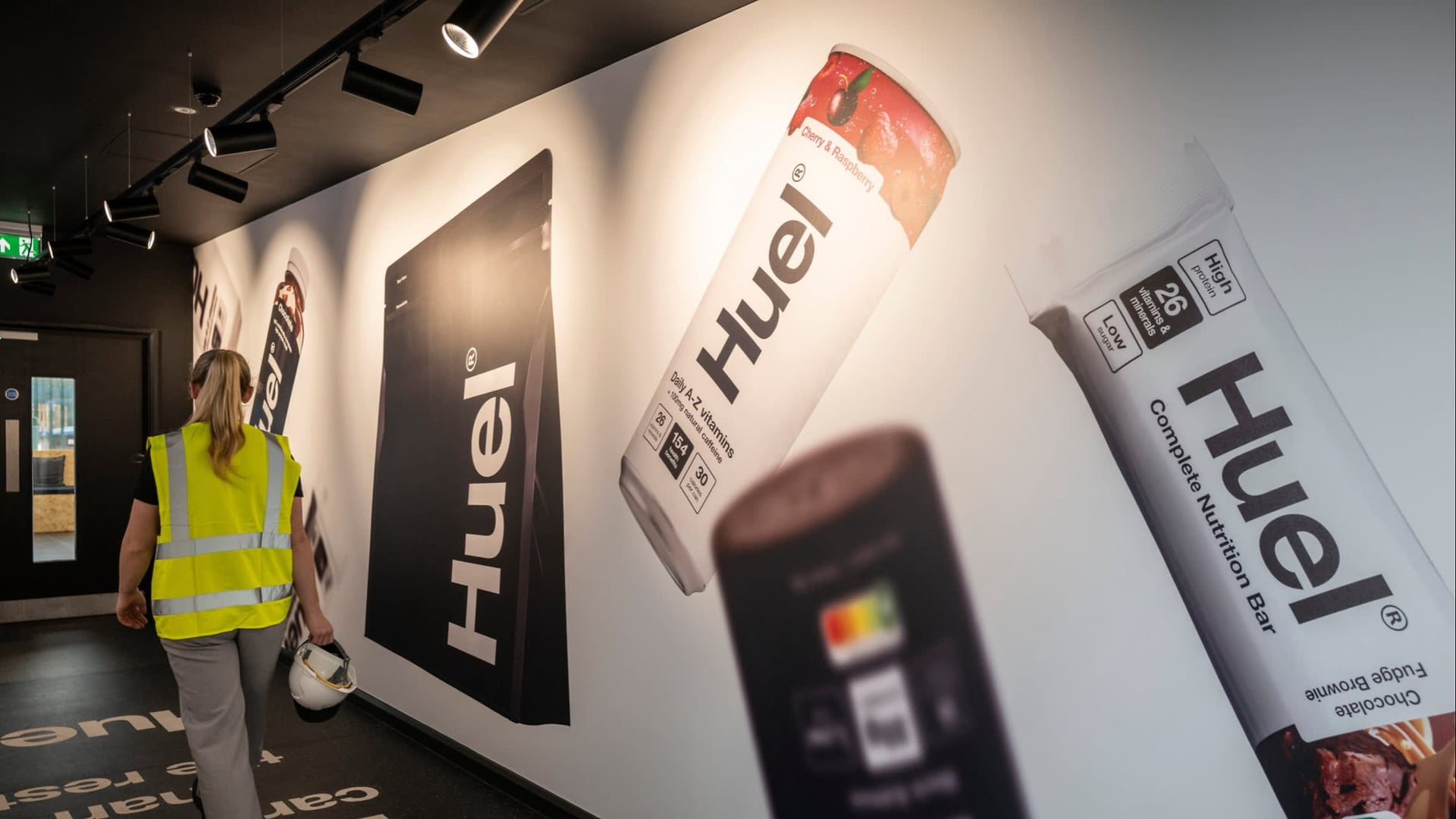
A Landmark Acquisition Reshaping Global Nutrition
In a move poised to significantly redefine the global food and health industry, French multinational Danone has announced its acquisition of Huel, the pioneering UK-based 'complete nutrition' company, in a deal valued at approximately €1 billion. This strategic investment by Danone, a conglomerate renowned for its extensive portfolio in dairy, water, and early life nutrition, signals a profound commitment to the burgeoning market for convenient, plant-based, and nutritionally balanced meal solutions. The integration of Huel, a disruptor celebrated for its innovative meal-in-a-bottle and powdered food formats, into Danone's vast global operations is expected to dramatically enhance the accessibility and perception of modern nutrition, catering to evolving consumer lifestyles and a heightened global health consciousness.
Danone's Strategic Pivot Towards Health and Wellness
For decades, Danone has stood as a titan in the food sector. However, its recent strategic trajectory has increasingly emphasized health, wellness, and sustainability. Confronted with shifting consumer preferences that lean away from traditional dairy and sugary products, the company has actively pursued diversification into categories aligned with contemporary wellness trends. This acquisition is not an isolated event but rather a continuation of Danone's broader strategy to pivot towards segments that promise future growth and relevance. Its existing portfolio, which includes plant-based brands like Alpro and specialized early life nutrition products such as Aptamil, clearly demonstrates an intent to cater to specific dietary needs and health segments. By bringing Huel into its fold, Danone gains immediate access to a younger, digitally native consumer base and a product line that embodies the future of convenient, balanced nutrition. This move significantly strengthens its competitive position in the rapidly evolving global health food market, underscoring a recognition that the future of food transcends mere sustenance, focusing instead on optimized nutrition delivered efficiently and sustainably.
Huel: From Niche Disruptor to Global Player
Huel, an acronym for 'Human Fuel,' emerged from the United Kingdom as a trailblazer in the 'complete nutrition' space. Founded on the principle of providing nutritionally complete, convenient, and affordable food, Huel rapidly cultivated a loyal global following. Its product range, primarily encompassing powdered meals, ready-to-drink bottles, and snack bars, is meticulously formulated to deliver a balanced macronutrient profile alongside essential vitamins and minerals. Huel's widespread appeal stems from its simplicity, reliance on plant-based ingredients, and the promise of comprehensive nutrition for busy individuals, athletes, or anyone seeking an efficient dietary solution. The company's remarkable success can be attributed to its robust direct-to-consumer model, vibrant online community, and a clear brand message that resonates deeply with health-conscious consumers across continents. Its rapid growth trajectory, culminating in a €1 billion valuation, powerfully underscores the significant market demand for innovative food solutions that challenge conventional eating habits. Huel represents a paradigm shift from traditional meal preparation to a more streamlined, scientifically backed approach to daily sustenance, tapping into a global desire for efficiency without compromising on health.
Synergistic Vision: Unlocking New Market Potential
The acquisition offers compelling strategic advantages for both entities involved. For Danone, Huel represents an immediate and robust entry into a high-growth, high-margin segment characterized by a strong brand identity and a proven product line. It provides a vital conduit to younger demographics who prioritize plant-based options and digital-first brands. Danone's vast global distribution network, extensive research and development capabilities, and formidable marketing prowess can significantly accelerate Huel's international expansion and product innovation. Conversely, Huel stands to benefit immensely from Danone's scale and resources. The substantial capital injection and operational support will enable Huel to overcome manufacturing and logistical challenges often associated with rapid growth, expand into new geographical markets more efficiently, and potentially diversify its product offerings with enhanced R&D backing. This synergy is anticipated to forge a formidable force in the global nutrition market, seamlessly combining Huel's innovative spirit with Danone's established infrastructure and expansive market reach. The deal exemplifies a growing trend where established industry giants increasingly look to agile startups to inject innovation and capture new, dynamic market segments.
Redefining the Global Nutrition Landscape
This acquisition transcends a mere corporate transaction; it serves as a powerful bellwether for the future direction of global nutrition. It signals a broader industry recognition of the accelerating shift towards functional foods, personalized nutrition, and sustainable dietary practices. The 'complete nutrition' category, once considered niche, is rapidly moving into the mainstream, driven by factors such as increasing urbanization, demanding work schedules, and a heightened global awareness of health and environmental impact. Danone's substantial investment unequivocally validates this trend, suggesting that meal replacements and nutrient-dense supplements will play an increasingly significant role in daily diets worldwide. This could precipitate further consolidation within the sector, as other large food companies seek to acquire or develop similar capabilities. The emphasis on plant-based ingredients inherent in Huel's products also aligns seamlessly with global efforts to reduce meat consumption and promote more sustainable food systems, offering a potential pathway to addressing both public health and pressing environmental concerns on a global scale.
Profound Implications for Public Health and Dietary Habits
The integration of Huel into Danone's expansive portfolio carries profound implications for global health and wellness. On one hand, it holds the potential to democratize access to nutritionally balanced, convenient food options, particularly in regions where access to diverse, fresh produce might be challenging or where time is a luxury. The potential for Danone to leverage its immense scale to reduce production costs and expand distribution could make these products more affordable and available to a wider demographic. This accessibility could significantly contribute to addressing micronutrient deficiencies and promoting healthier eating habits among busy populations globally. On the other hand, the rise of meal replacements also sparks important discussions about the enduring role of whole foods and traditional culinary practices. While undoubtedly offering unparalleled convenience, it raises questions about the long-term societal impact of potentially shifting away from communal meal preparation and consumption. However, for a vast number of individuals, these products serve as a pragmatic and effective solution to maintaining a healthy diet amidst demanding modern lifestyles, offering a reliable source of comprehensive nutrition when traditional, balanced meals are not feasible. The scientific backing and continuous improvement in formulation, now potentially amplified by Danone's extensive R&D capabilities, could lead to even more effective and tailored nutritional solutions for diverse global needs.
Economic Drivers and Societal Shifts
Economically, this acquisition vividly underscores the immense investment currently flowing into the 'future food' sector. Venture capital and corporate acquisitions are increasingly targeting companies that offer sustainable, alternative protein sources and innovative food delivery mechanisms. This burgeoning trend is actively creating new markets, fostering job growth in critical areas such as R&D, advanced manufacturing, and digital marketing, and stimulating healthy competition among food tech startups worldwide. Socially, the growing acceptance and mainstreaming of products like Huel reflect a broader cultural transformation. Consumers are becoming increasingly discerning about what they eat, demanding greater transparency, ethical sourcing, and demonstrable health benefits from their food choices. The convenience factor also plays an absolutely crucial role in societies where time is a premium commodity. The integration of such products into daily routines could fundamentally reshape eating patterns, potentially leading to a more individualized approach to nutrition, where dietary choices are increasingly informed by personal health goals and lifestyle demands rather than solely by tradition or the convenience of unhealthy options. This also opens up vital conversations about global food security and how these innovative solutions might play a significant role in sustainably feeding a growing global population.
The Future Trajectory of Food Innovation
The Danone-Huel deal is poised to send ripples throughout the global food industry, prompting competitors to critically reassess and refine their strategies in the health and wellness space. We can anticipate an acceleration of innovation across the complete nutrition product category, with a heightened focus on enhancing taste, improving texture, and catering to an even wider array of diverse dietary needs. The market is likely to witness an influx of new players, alongside further consolidation among existing ones, all vying for a significant share of the rapidly expanding 'future food' pie. The emphasis on sustainable sourcing and environmentally friendly packaging will also intensify, as consumers and regulators alike demand greater environmental responsibility from food manufacturers. For consumers, this could translate into an even wider array of convenient, healthy, and ethically produced food options becoming readily available, albeit with the ongoing challenge of distinguishing truly beneficial products from mere marketing hype. The long-term impact on global dietary habits will be fascinating to observe, as the lines between traditional food, dietary supplements, and meal replacements continue to blur, driven by relentless technological advancements and a collective pursuit of optimal health and sustainable living.
Conclusion: A New Era for Global Sustenance
Danone's acquisition of Huel for €1 billion represents a landmark event, signifying a profound and irreversible evolution in the global nutrition landscape. It embodies a powerful convergence of established industry might with agile innovation, driven by an undeniable and growing consumer demand for health, convenience, and sustainability. As this strategic partnership unfolds, it is poised not only to reshape the complete nutrition market but also to profoundly influence broader dietary trends and food system development worldwide. This significant investment underscores a future where food is increasingly viewed as meticulously designed fuel, optimized for both human performance and planetary well-being, marking a pivotal new chapter in the ongoing global quest for health and nutritional advancement.
Support Nivaran Foundation's independent global health reporting and empower communities worldwide.
Talk to Nivaran Global