
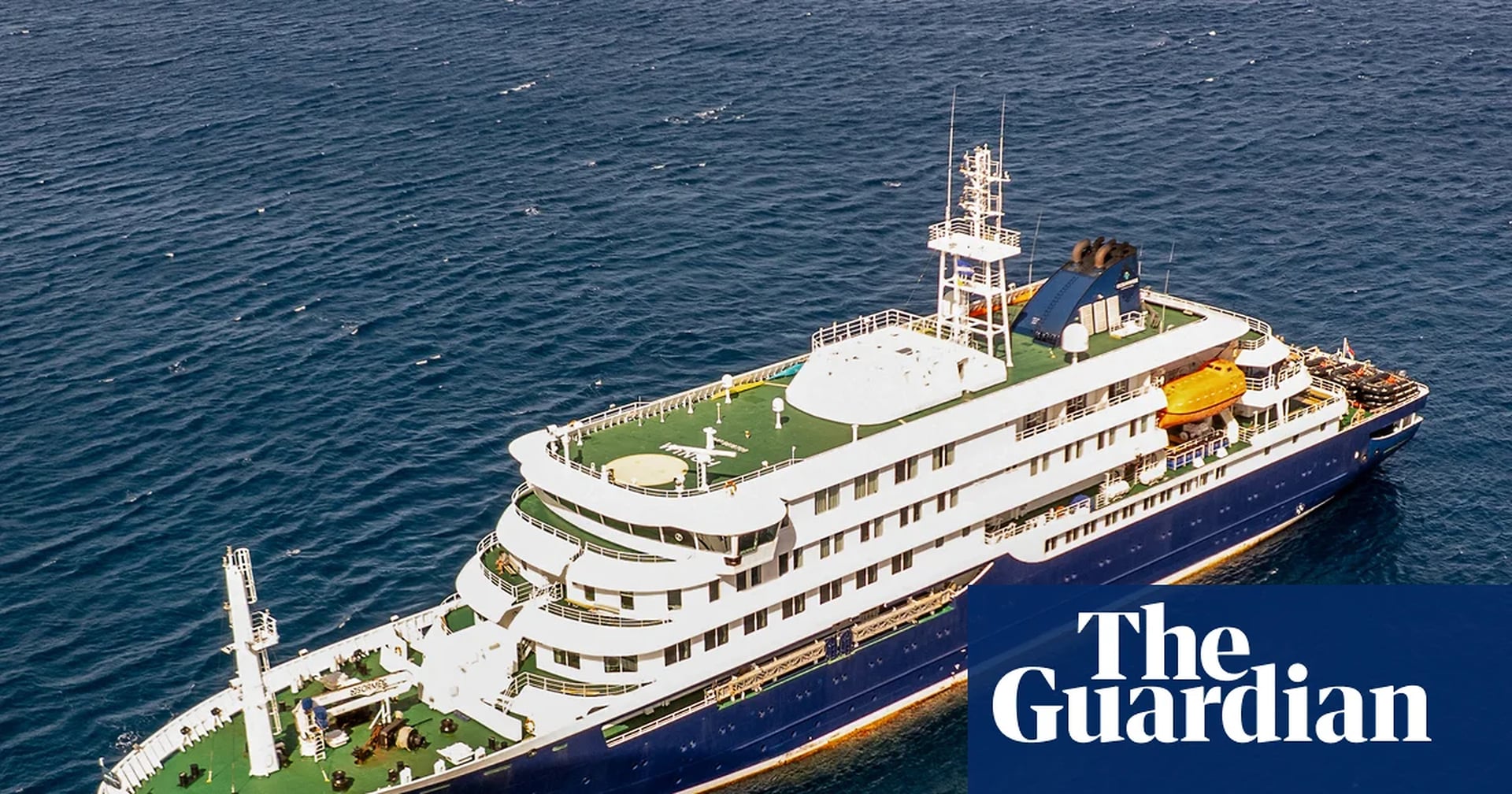
A tragic health crisis has unfolded aboard a cruise ship traversing the Atlantic, with a suspected hantavirus outbreak claiming the lives of three passengers. The incident has prompted immediate and extensive global health responses, as the vessel, carrying a diverse international manifest, docked in South Africa. Beyond the fatalities, three additional individuals have fallen critically ill, including a 69-year-old Briton reported to be in intensive care in South Africa, underscoring the severe and rapid progression of the disease. The World Health Organization (WHO) confirmed one case of hantavirus infection, with five other cases currently under suspicion, signaling a serious public health concern that extends far beyond the confines of the ship.
The gravity of the situation became apparent as the cruise ship approached its South African port, triggering a coordinated emergency response from local and international health agencies. The swift deterioration of health among those affected highlights the potent threat posed by such infections, particularly in environments like cruise ships where close quarters and international travel converge. The incident immediately raised alarms within the global health community, prompting a thorough investigation into the source and spread of the suspected outbreak to prevent further transmission and understand the broader implications for maritime travel and public health safety.
Hantaviruses are a group of RNA viruses that can cause severe, sometimes fatal, illnesses in humans. These viruses are primarily transmitted to humans through contact with infected rodents or their excretions, such as urine, droppings, or saliva, often when these materials become aerosolized and are inhaled. It is crucial to note that, for most hantavirus strains causing human disease, person-to-person transmission is exceptionally rare or non-existent, differentiating it from many other common infectious diseases. The clinical manifestations of hantavirus infection vary geographically. In the Americas, hantaviruses typically cause Hantavirus Pulmonary Syndrome (HPS), characterized by rapid onset of respiratory distress, fluid accumulation in the lungs, and severe breathing difficulties. In Europe and Asia, different hantavirus strains are responsible for Hemorrhagic Fever with Renal Syndrome (HFRS), which presents with fever, headaches, muscle aches, and can progress to kidney failure and internal bleeding.
The severity of hantavirus infections, particularly HPS, is significant, with fatality rates that can reach as high as 38 percent. The initial symptoms often mimic common viral infections, including fever, muscle aches, and fatigue, making early diagnosis challenging. This diagnostic difficulty is compounded in a dynamic environment like a cruise ship, where access to advanced diagnostic tools might be limited, and medical personnel must contend with a wide array of potential ailments. The rapid progression from initial symptoms to critical respiratory or renal failure underscores the urgent need for prompt recognition and intensive supportive care, as there is currently no specific antiviral treatment or vaccine available for hantavirus infections.
Cruise ships present unique challenges for disease control and public health. These vessels are essentially floating cities, housing thousands of passengers and crew from diverse geographical backgrounds in relatively confined spaces. The close proximity of individuals, coupled with the international nature of their travel, creates an ideal environment for the rapid dissemination of infectious agents. While hantavirus is not typically spread person-to-person, the presence of an infected rodent population on board, or exposure to contaminated environments on shore during port calls, could lead to multiple human infections. Managing waste, ensuring proper sanitation, and implementing effective pest control measures are continuous operational challenges that are critical for maintaining a healthy environment at sea.
In response to the outbreak, a comprehensive public health investigation has been launched. This includes isolating the ill passengers to prevent any potential spread, although direct human-to-human transmission of hantavirus is uncommon. Contact tracing is being conducted to identify individuals who may have been exposed, and environmental assessments are underway on the cruise ship to pinpoint the source of the suspected rodent infestation or contaminated area. Port health authorities in South Africa are working closely with the WHO and the cruise line to implement stringent cleaning and disinfection protocols, as well as enhanced pest control measures. The primary goal of the investigation is to determine how the virus was introduced to the ship and to mitigate any further risks to passengers and crew.
This incident carries significant implications for global health security and the international travel industry. It serves as a stark reminder of the constant threat posed by zoonotic diseases and the vulnerability of interconnected global travel networks. The need for robust health surveillance systems at all points of entry, including seaports, and for effective international health regulations (IHR) to facilitate coordinated responses, has been brought into sharp focus. Such outbreaks can severely impact public confidence in the safety of cruise travel, potentially leading to economic repercussions for the industry. Therefore, transparent communication and decisive action are paramount to restoring trust and ensuring passenger well-being.
Preventative measures on cruise ships typically include rigorous sanitation standards, comprehensive waste management programs, and proactive pest control strategies. Crew members receive training on identifying and reporting potential health hazards, and ships are often subject to health inspections. In light of this outbreak, there will likely be an increased emphasis on strengthening these protocols, potentially including enhanced screening for passengers and crew, and improving rapid diagnostic capabilities on board. The ability to quickly identify and respond to unusual illnesses is crucial for containing outbreaks before they escalate, especially when dealing with pathogens that have high morbidity and mortality rates.
The human element of this tragedy cannot be overstated. Beyond the public health crisis, there is immense grief for the families of the deceased and profound anxiety for those who were onboard, particularly those who fell ill or were concerned about exposure. The logistical and emotional challenges of managing such a crisis far from land, with limited immediate resources, place immense pressure on the ship's medical staff and crew. The incident underscores the critical importance of mental health support for all affected, alongside the physical health interventions.
As the investigation continues, the global health community will undoubtedly draw vital lessons from this hantavirus outbreak. It highlights the continuous need for vigilance against zoonotic diseases, even in environments not typically associated with rodent-borne illnesses. The incident reinforces the imperative for robust global health cooperation, information sharing, and rapid response mechanisms to prevent and effectively manage future outbreaks. The Nivaran Foundation remains committed to supporting initiatives that strengthen disease surveillance and response capabilities worldwide, ensuring that communities and travelers alike are better protected against emerging health threats.
Support Nivaran Foundation's global health initiatives to strengthen disease surveillance and response worldwide.
Talk to Nivaran Global