
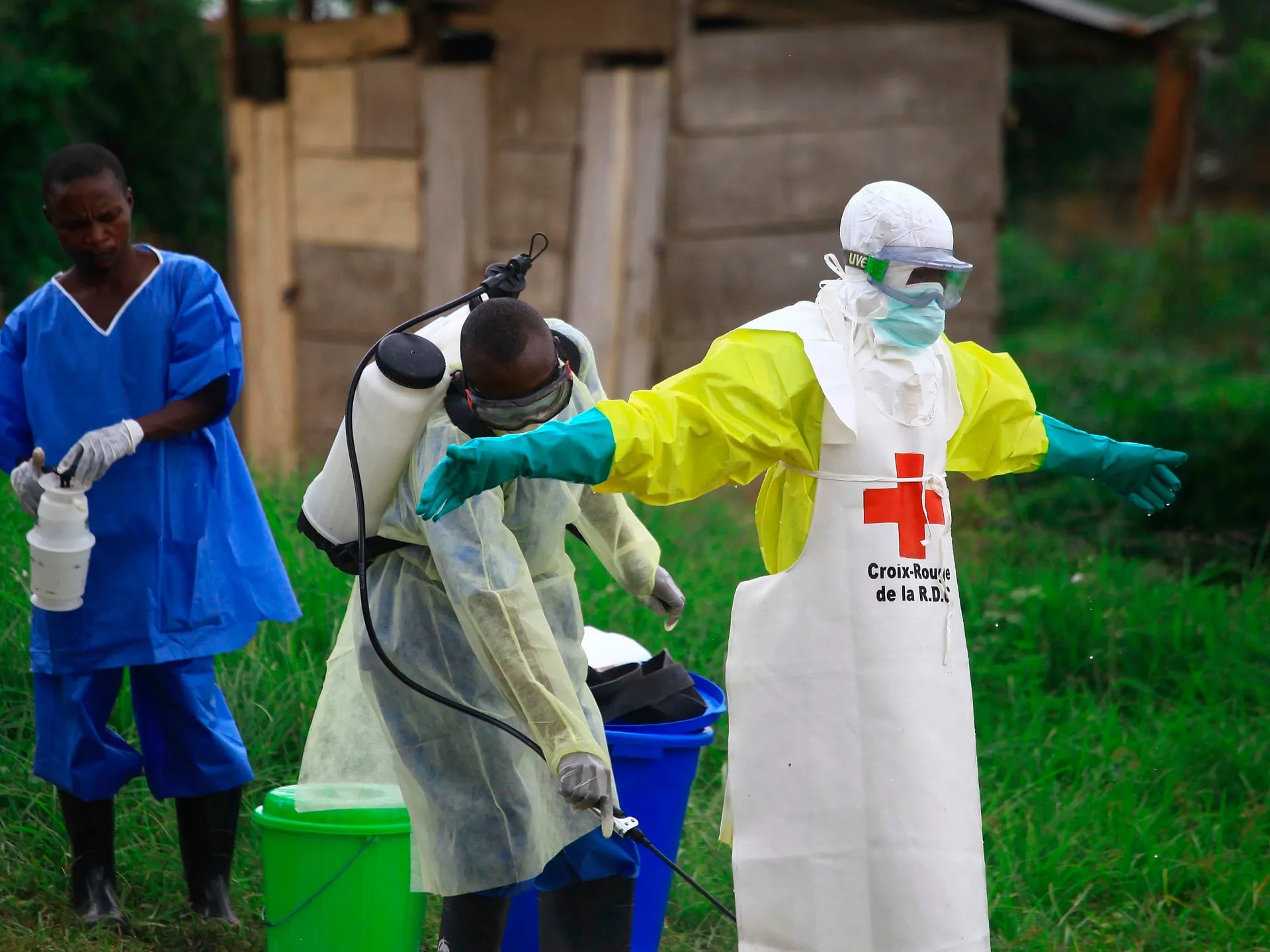
The Democratic Republic of Congo (DRC) is grappling with a rapidly escalating Ebola outbreak, prompting urgent warnings from its health minister regarding the disease's alarmingly high lethality rate. With the death toll now standing at 80, the crisis underscores the persistent vulnerability of the region to infectious diseases and the complex challenges of containment. Adding to the gravity of the situation, the Africa Centres for Disease Control and Prevention (Africa CDC) has voiced significant concern that the specific Bundibugyo strain of the virus, identified in this outbreak, possesses the potential for swift and widespread dissemination, largely fueled by the intense population movements characteristic of the affected areas.
Ebola Virus Disease (EVD), particularly strains like Bundibugyo, is notorious for its severe symptoms, including fever, fatigue, muscle pain, headache, sore throat, followed by vomiting, diarrhea, rash, symptoms of impaired kidney and liver function, and in some cases, both internal and external bleeding. The high lethality rate reported by the DRC health minister is a stark reminder of the devastating impact EVD can have if not aggressively managed. The Bundibugyo strain, while less common than Zaire ebolavirus, still presents a formidable public health threat, demanding a robust and immediate response to prevent further loss of life and wider regional destabilization.
One of the most critical factors complicating the current containment efforts is the significant and often unpredictable movement of populations within and across the DRC's borders. The eastern regions of the DRC, frequently affected by Ebola outbreaks, are also areas marked by internal displacement due to ongoing conflicts, economic migration, and cross-border trade. These movements create intricate networks through which the virus can travel, making contact tracing exceptionally difficult and increasing the risk of transmission to previously unaffected communities. People fleeing violence, seeking livelihoods, or simply engaging in daily commerce inadvertently become potential vectors, transforming localized outbreaks into broader regional concerns. This dynamic mobility places immense pressure on surveillance systems and rapid response teams, which must constantly adapt to shifting epidemiological landscapes.
The existing healthcare infrastructure in many parts of the DRC, particularly in remote and rural areas, further exacerbates the challenges of controlling an Ebola outbreak. Decades of underinvestment, political instability, and conflict have left many health facilities under-resourced, understaffed, and ill-equipped to handle a highly infectious and lethal disease like Ebola. Access to basic medical supplies, personal protective equipment (PPE), and specialized treatment units is often limited, hindering the ability of frontline health workers to safely and effectively care for patients. This fragility means that even small outbreaks can quickly overwhelm local capacities, necessitating external support and intervention from national and international partners.
Beyond the immediate medical response, community engagement and trust are paramount in the fight against Ebola. Past outbreaks in the DRC have highlighted the profound impact of misinformation, rumors, and community resistance on public health interventions. A lack of understanding about the disease, coupled with historical distrust of authorities, can lead to refusal of safe burial practices, non-compliance with isolation measures, and even attacks on healthcare workers. Building and maintaining trust through transparent communication, culturally sensitive approaches, and active community participation is essential for ensuring that public health messages are heard, understood, and acted upon, thereby facilitating effective contact tracing, vaccination campaigns, and safe dignified burials.
Recognizing the transnational threat posed by such outbreaks, regional bodies like the Africa CDC play a pivotal role in coordinating responses. The Africa CDC's concern underscores the need for a harmonized strategy across African nations, emphasizing cross-border surveillance, information sharing, and joint preparedness initiatives. Their mandate involves providing technical guidance, mobilizing resources, and fostering collaboration among member states to strengthen their capacities to prevent, detect, and respond to public health emergencies. This regional coordination is vital, as the movement of people and goods across national borders means that an outbreak in one country can quickly become a regional crisis, requiring a collective and unified approach.
International cooperation is equally critical. Organizations such as the World Health Organization (WHO), Médecins Sans Frontières (MSF), and other non-governmental organizations (NGOs) often work in tandem with national governments and regional bodies to provide on-the-ground support. This includes deploying medical experts, establishing treatment centers, training local health workers, and supplying essential equipment. The global health community's rapid deployment of existing Ebola vaccines, which have proven highly effective in previous outbreaks, is also a crucial component of the response strategy, aiming to protect frontline workers and ring-fence affected communities to break chains of transmission. However, the logistical challenges of vaccine distribution in remote and conflict-affected areas remain significant.
The socio-economic impact of an Ebola outbreak extends far beyond the immediate health crisis. Livelihoods are disrupted as movement restrictions impede trade and agricultural activities. Children may miss school, further exacerbating educational disparities. The fear and stigma associated with the disease can lead to social isolation and economic hardship for survivors and their families. Repeated outbreaks also divert scarce resources from other essential health services, weakening the overall health system and making communities more vulnerable to other diseases. Addressing these broader impacts requires a holistic approach that integrates humanitarian aid with long-term development strategies.
Ultimately, preventing and effectively responding to Ebola outbreaks in the DRC and other vulnerable regions demands sustained investment in robust public health infrastructure. This includes strengthening surveillance systems for early detection, enhancing laboratory diagnostic capabilities, and developing well-trained, rapidly deployable rapid response teams. Furthermore, fostering resilient health systems that can withstand shocks and provide continuous essential services, even during emergencies, is paramount. The current situation in the DRC serves as a stark reminder that global health security is a shared responsibility, requiring unwavering commitment and coordinated action from national governments, regional bodies, and the international community to protect populations from the devastating impact of infectious diseases.
The Nivaran Foundation stands in solidarity with the people of the Democratic Republic of Congo and all those working tirelessly on the front lines. The urgency of this crisis calls for immediate and sustained global attention to mitigate the spread of the Bundibugyo strain, save lives, and support the long-term health resilience of affected communities.
Your support enables Nivaran Foundation to strengthen global health initiatives and respond to critical outbreaks like Ebola.
Talk to Nivaran Global