
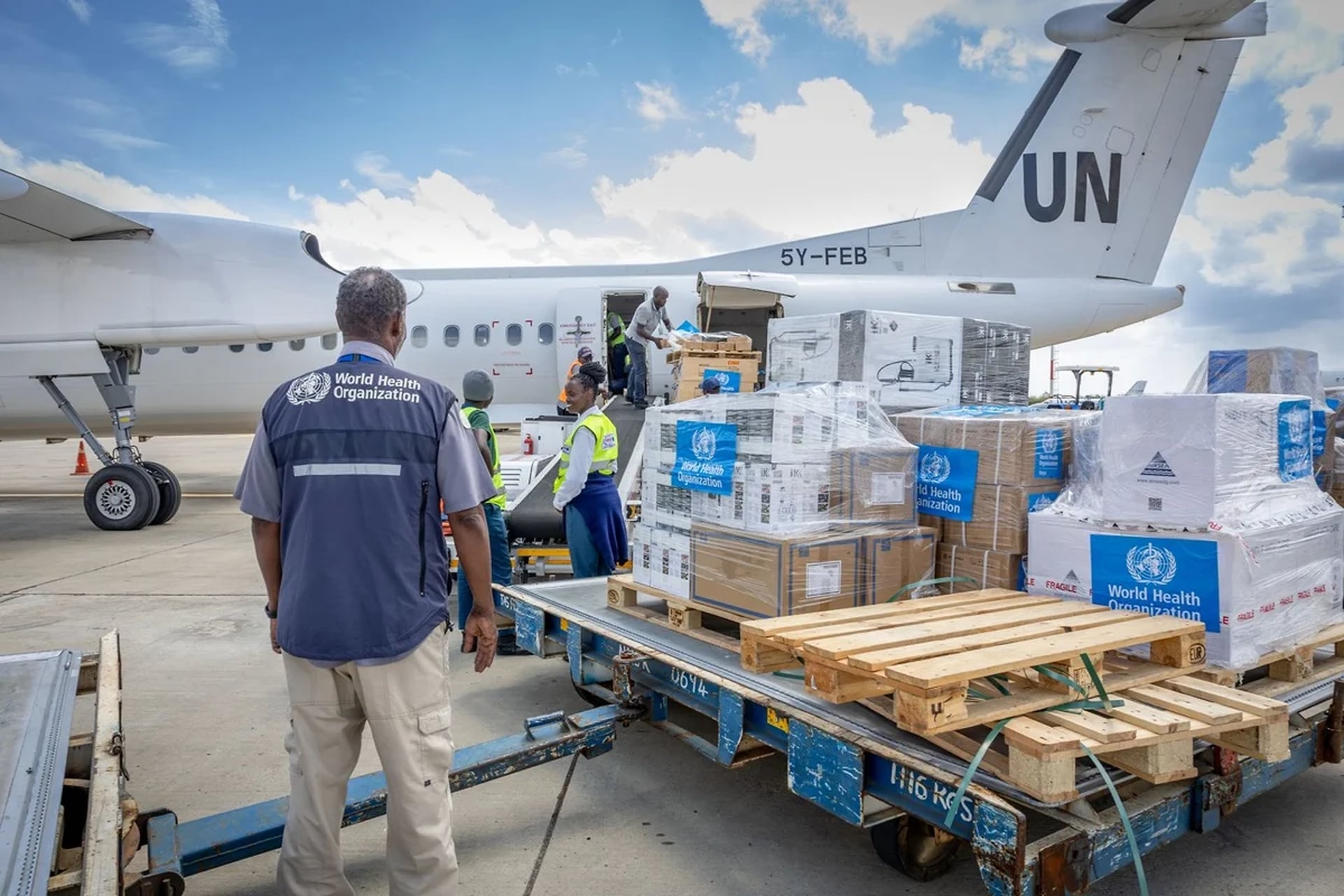
The global health community has been galvanized into action following the declaration of a Public Health Emergency of International Concern (PHEIC) regarding the ongoing Ebola Bundibugyo virus disease epidemic affecting the Democratic Republic of the Congo (DRC) and Uganda. This critical decision, made by the World Health Organization (WHO) Director-General based on the advice of the International Health Regulations (IHR) Emergency Committee, underscores the severe risk posed by the outbreak and the imperative for a coordinated international response. While the Committee determined the situation did not meet the criteria for a pandemic emergency, the PHEIC designation signals a serious global threat requiring immediate and concerted efforts.
The IHR Emergency Committee convened its inaugural meeting to assess the escalating situation, focusing on the epidemiological data, the geographical spread, and the capacities of the affected nations to contain the virus. Their expert counsel provided the foundation for the Director-General's determination, initiating a series of temporary recommendations aimed at all States Parties to the IHR. This declaration is not merely a label; it is a call to action, triggering a heightened level of global vigilance, resource mobilization, and technical support to prevent further international spread and mitigate the impact within the affected regions.
Ebola Bundibugyo virus disease is one of several strains of the Ebola virus, known for its high fatality rate and the severe hemorrhagic fever it causes. While less commonly encountered than the Zaire strain, which has been responsible for the majority of large-scale outbreaks, the Bundibugyo strain presents similar challenges in terms of rapid transmission, complex clinical management, and the need for stringent infection prevention and control measures. The current epidemic’s presence across porous borders between the DRC and Uganda amplifies the risk, as population movements, trade, and cultural practices can inadvertently facilitate the virus's spread, making containment inherently challenging for national health authorities.
The concept of a Public Health Emergency of International Concern is enshrined within the International Health Regulations, a legally binding instrument adopted by 196 countries, including all WHO Member States. A PHEIC is defined as an extraordinary event which is determined to constitute a public health risk to other States through the international spread of disease and to potentially require a coordinated international response. This framework is designed to prevent, protect against, control, and provide a public health response to the international spread of disease in ways that are commensurate with and restricted to public health risks, and which avoid unnecessary interference with international traffic and trade. The declaration for Ebola Bundibugyo highlights the gravity of the situation without imposing undue restrictions, emphasizing a balanced and evidence-based approach.
The IHR Emergency Committee plays a pivotal role in this global health architecture. Comprising independent experts from various fields, including epidemiology, virology, public health, and ethics, the Committee evaluates the evidence, assesses the risks, and provides non-binding technical advice to the WHO Director-General. Their deliberations are crucial for ensuring that decisions regarding international health emergencies are informed by the best available scientific knowledge and public health principles. The Committee's advice in this instance, aligning with the PHEIC determination, underscores the consensus among leading experts on the urgent need for a robust international response to the Ebola Bundibugyo outbreak.
Following the PHEIC declaration, the WHO Director-General issued a series of temporary recommendations to all States Parties. These recommendations are designed to be practical, actionable, and proportionate to the public health risk. While specific details of these recommendations are comprehensive, they generally encompass several critical areas. Firstly, enhanced surveillance and contact tracing are paramount, requiring rigorous efforts to identify every case, track their contacts, and monitor them for symptoms. This includes active case finding in communities and at points of entry, particularly along the DRC-Uganda border.
Secondly, the recommendations emphasize the strengthening of clinical management capabilities and infection prevention and control (IPC) measures. This involves ensuring healthcare facilities are equipped with adequate personal protective equipment (PPE), trained staff, and isolation protocols to safely manage patients while protecting healthcare workers. Community engagement and risk communication are also central, aiming to build trust, dispel misinformation, and encourage safe practices, including adherence to burial protocols and early reporting of symptoms. Effective communication strategies are vital to foster cooperation and reduce community resistance, which has historically hampered Ebola response efforts.
Furthermore, the temporary recommendations address international travel and trade. Typically, the WHO advises against unnecessary restrictions on travel or trade during such outbreaks, advocating instead for screening measures at points of entry and exit, and providing travelers with accurate health information. The focus is on implementing effective, evidence-based measures that minimize disruptions while maximizing public health protection. Research and development efforts, particularly for vaccines and therapeutics specific to the Bundibugyo strain, may also be encouraged, alongside calls for international cooperation and resource mobilization to support the affected countries' response capacities.
The Democratic Republic of the Congo and Uganda, while possessing experience in managing Ebola outbreaks, face significant challenges. The regions affected are often characterized by fragile health systems, limited infrastructure, and in some areas, ongoing insecurity and population displacement. These factors complicate surveillance, contact tracing, and the safe delivery of healthcare, making the international support outlined in the temporary recommendations indispensable. The global community's commitment to providing financial, logistical, and technical assistance is crucial for bolstering national capacities and ensuring that the response can reach all affected communities, regardless of their remoteness or vulnerability.
This PHEIC declaration serves as a stark reminder of the interconnectedness of global health and the constant threat posed by emerging and re-emerging infectious diseases. The International Health Regulations provide a framework for collective action, but their effectiveness ultimately depends on the political will, financial commitment, and operational collaboration of all States Parties. The Ebola Bundibugyo outbreak in DRC and Uganda is a test of this global health security architecture, demanding sustained vigilance, rapid adaptation, and unwavering solidarity to protect lives and livelihoods across borders.
As the situation evolves, the Nivaran Foundation’s global desk will continue to monitor the progress of the international response and the implementation of these critical recommendations. The global community must remain united in its efforts to contain this deadly virus, support the frontline healthcare workers, and strengthen health systems to prevent future outbreaks from escalating into similar emergencies. The lessons learned from this response will undoubtedly contribute to enhancing global preparedness and resilience against future public health threats, ensuring a safer and healthier world for all.
Support Nivaran Foundation's vital work in strengthening global health systems and responding to international health emergencies like the Ebola Bundibugyo outbreak.
Talk to Nivaran Global