
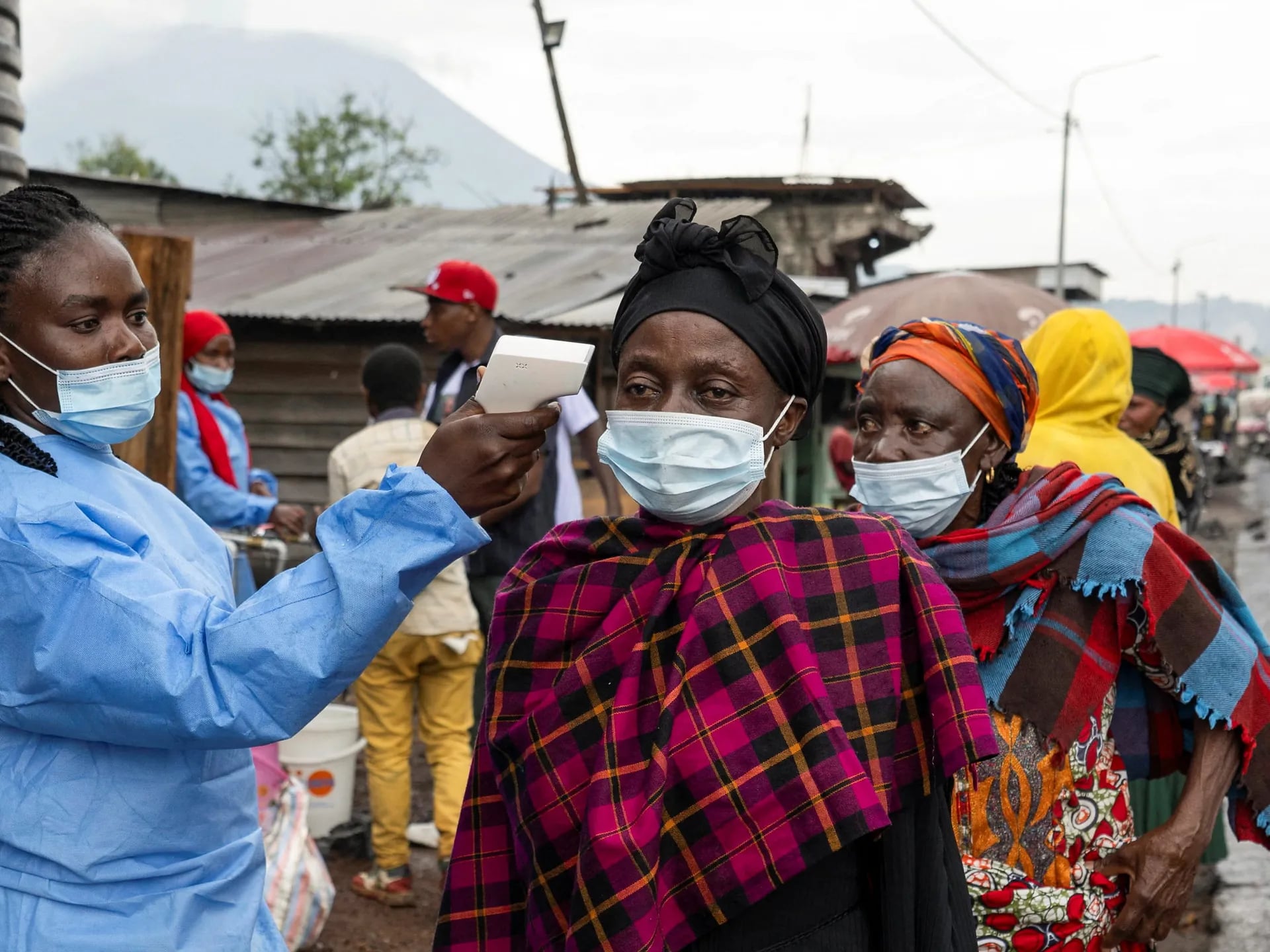
The Alarming Trajectory of Ebola: A Global Health Imperative
The global health community faces an escalating crisis as the World Health Organization (WHO) Director-General, Tedros Adhanom Ghebreyesus, issues a stark warning regarding a rapidly spreading Ebola epidemic. With suspected deaths now tragically numbering 220, the WHO chief underscored the grim reality that the current outbreak is "outpacing us," a chilling assessment that highlights the formidable challenges in containing a highly virulent pathogen. This declaration signals a critical juncture, where the speed and scale of the disease's transmission are beginning to overwhelm existing response mechanisms, demanding an immediate and intensified global effort to avert a wider catastrophe. The urgency of the situation is palpable, as every delayed detection and missed contact exponentially increases the risk of further spread, pushing affected regions closer to the brink of a public health emergency with far-reaching implications.
The Peril of Delayed Detection: A Race Against Time
At the heart of the escalating crisis lies the persistent challenge of delayed case detection. When individuals infected with Ebola are not identified and isolated swiftly, the window for effective containment narrows dramatically. This delay allows the virus to silently spread within communities, often through close contact during caregiving or traditional burial practices, before health authorities are even aware of its presence. Multiple factors contribute to this critical lag, including limited access to healthcare in remote areas, a lack of public awareness about symptoms, fear and stigma associated with the disease, and sometimes, outright resistance to health interventions. In settings where trust in external health workers is low, or where traditional beliefs clash with modern medical protocols, individuals may avoid seeking help or conceal symptoms, inadvertently becoming vectors for further transmission. This "playing catch-up" scenario described by the WHO chief means that responders are constantly behind the curve, chasing an invisible enemy that has already gained a dangerous foothold, making contact tracing and isolation efforts exponentially more difficult and resource-intensive. The consequences are dire: more infections, more deaths, and a prolonged, more complex outbreak.
Community Engagement: The Linchpin of Containment
Effective containment of an Ebola outbreak is inextricably linked to robust community engagement and trust. Without the active participation and cooperation of affected populations, even the most sophisticated medical interventions can falter. Building this trust requires culturally sensitive approaches, transparent communication, and a deep understanding of local customs and social structures. Health responders must work alongside community leaders, elders, and local health workers to disseminate accurate information, address misinformation, and explain the critical importance of early reporting, safe burial practices, and adherence to public health guidelines. When communities feel heard, respected, and empowered, they become invaluable partners in the response, rather than potential obstacles. Conversely, a lack of engagement can breed suspicion, leading to the concealment of cases, unsafe burials that become super-spreader events, and even violence against health workers. The current situation underscores that the battle against Ebola is not just a medical one; it is fundamentally a social and anthropological challenge that demands sustained investment in community-led solutions and dialogue.
Straining Health Systems and Global Preparedness
The escalating Ebola epidemic places immense strain on already fragile health systems in affected regions. Local clinics and hospitals, often under-resourced and understaffed, quickly become overwhelmed by the influx of suspected and confirmed cases. This not only compromises their ability to treat Ebola patients effectively but also diverts critical resources from other essential health services, leading to a broader public health crisis. The experience of past major outbreaks, such as the devastating West African epidemic of 2014-2016, serves as a stark reminder of how quickly a localized outbreak can spiral into a regional catastrophe if not met with a swift, coordinated, and well-resourced international response. Lessons from these historical events emphasize the need for robust surveillance, rapid diagnostic capabilities, adequate personal protective equipment (PPE), and trained personnel. The current situation suggests that despite these lessons, gaps in preparedness and response capacity persist, highlighting a global vulnerability that must be urgently addressed. International aid, while crucial, must be deployed strategically to build sustainable local capacity rather than merely providing temporary relief.
The Broader Global Health Security Imperative
Ebola, alongside other emerging infectious diseases, represents a persistent and significant threat to global health security. Its capacity for rapid, deadly spread underscores the interconnectedness of our world and the reality that an outbreak anywhere can quickly become a threat everywhere. The current epidemic serves as a powerful reminder that investment in global health security is not merely an act of altruism but a fundamental necessity for collective well-being and economic stability. This imperative calls for strengthening early warning systems, enhancing laboratory networks, improving cross-border collaboration, and fostering a culture of preparedness across all nations. It also necessitates sustained funding for research and development into vaccines and therapeutics, ensuring equitable access to these life-saving tools once they are available. The "outpacing us" warning from the WHO chief is not just about the current outbreak; it is a wake-up call for the entire global community to re-evaluate and reinforce its defenses against future pandemics, recognizing that proactive investment far outweighs the catastrophic costs of reactive crisis management.
Innovations and Their Deployment Challenges
Significant scientific advancements have been made in the fight against Ebola, including the development of effective vaccines and therapeutic treatments. These innovations offer a powerful arsenal against the virus, capable of dramatically altering the course of an outbreak if deployed rapidly and equitably. However, the existence of these tools does not automatically guarantee their impact. The logistical challenges of reaching affected populations, particularly in remote or conflict-prone areas, remain formidable. Issues such as maintaining cold chains for vaccine storage, ensuring secure transport, overcoming community hesitancy, and rapidly scaling up vaccination campaigns require intricate planning and substantial resources. The current struggle to contain the epidemic, even with these scientific breakthroughs, highlights that the "last mile" delivery problem is often as critical as the initial scientific discovery. Bridging this gap requires not only financial investment but also innovative operational strategies, strong partnerships with local governments and NGOs, and a relentless focus on equitable access to ensure that these life-saving interventions reach those who need them most, without delay.
Sustained Commitment: The Path Forward
Addressing the current Ebola epidemic and mitigating the risk of future outbreaks demands a sustained and unwavering global commitment. This commitment must extend beyond emergency response to encompass long-term investments in strengthening primary healthcare systems, building robust public health infrastructure, and fostering health literacy at the community level. It requires political will to prioritize health security on national and international agendas, ensuring that resources are allocated proactively rather than reactively. Organizations like the Nivaran Foundation play a crucial role in advocating for these systemic changes and supporting initiatives that empower communities and strengthen local health capacities. The current crisis is a stark reminder that global health is a shared responsibility, requiring collaborative action from governments, international organizations, civil society, and local communities. Only through such concerted and sustained efforts can the world hope to effectively contain the current Ebola threat and build a more resilient global health architecture capable of withstanding future pandemics.
Conclusion: A Shared Responsibility in a Global Crisis
The WHO chief's urgent warning about the Ebola epidemic "outpacing us" serves as a critical alarm for the entire world. With 220 suspected deaths and counting, the human cost of delayed detection and an overwhelmed response is tragically evident. This is not merely a localized health crisis; it is a profound challenge to global health security, underscoring the imperative for immediate, coordinated, and comprehensive action. The lessons from past outbreaks are clear: speed, community trust, robust health systems, and international solidarity are paramount. As health responders continue their valiant efforts on the front lines, the global community must rally with renewed determination, providing the necessary resources, expertise, and political will to bring this deadly epidemic under control. Failure to act decisively and collectively will not only prolong suffering but also leave the world vulnerable to future health crises of even greater magnitude. The time for proactive and sustained engagement is now, ensuring that humanity can truly get ahead of the curve in the ongoing battle against infectious diseases.
Support Nivaran Foundation's global health initiatives to strengthen early detection and response systems against deadly outbreaks like Ebola.
Talk to Nivaran Global