
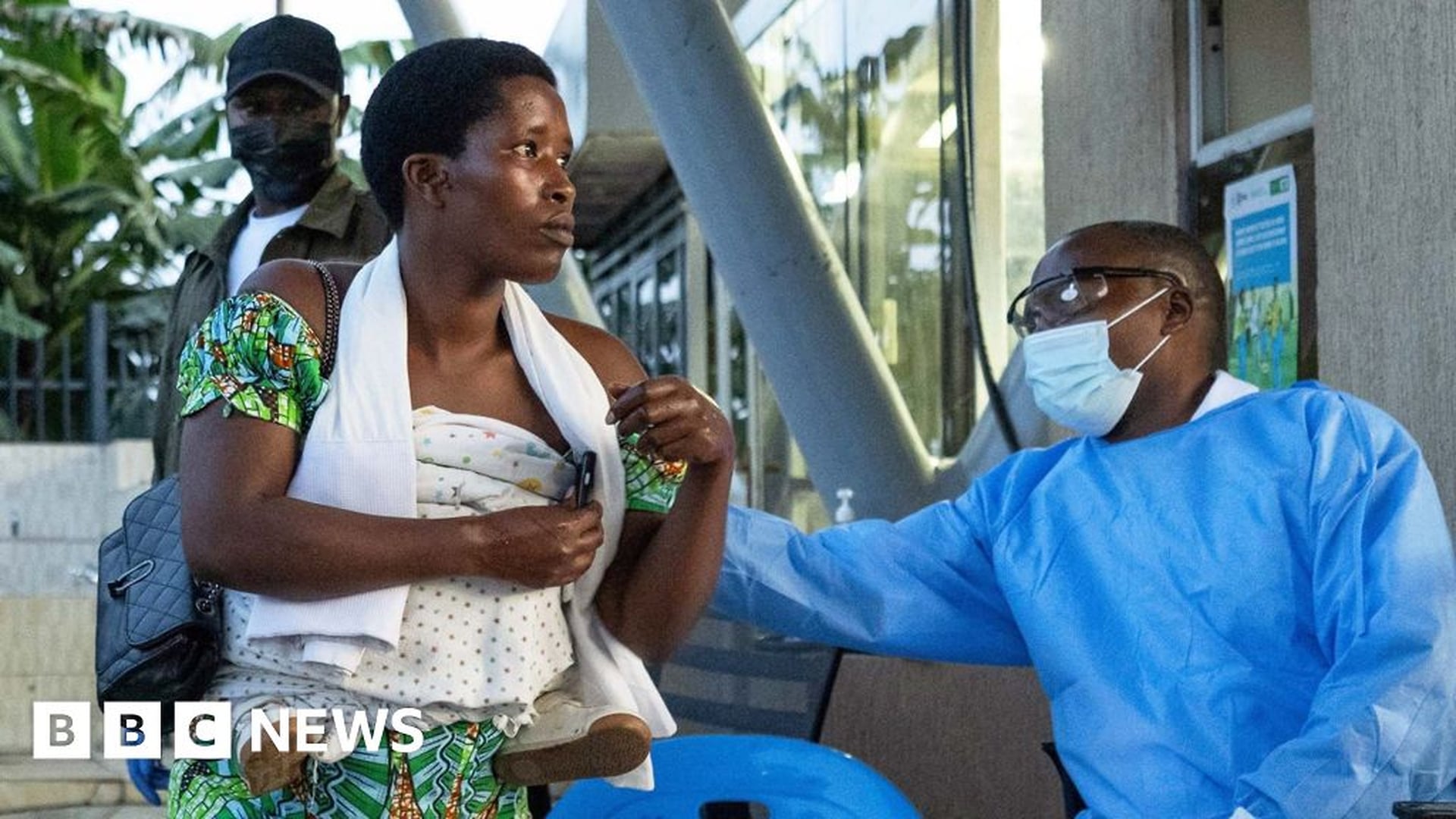
The World Health Organization (WHO) has issued a stark warning regarding the current Ebola outbreak in central Africa, indicating that the virus may be spreading at a rate far exceeding initial assessments. A senior WHO doctor has expressed grave concerns that the hundreds of suspected cases reported across the region could represent only a fraction of actual infections, signaling a potentially more widespread and rapidly escalating crisis. This alarming development underscores Ebola's persistent threat and highlights the critical need for an immediate, robust, and globally coordinated response to prevent a larger humanitarian catastrophe.
The insidious nature of Ebola, coupled with the complex socio-economic and geographical landscape of central Africa, creates a fertile ground for rapid transmission. The virus, known for its high fatality rate, spreads through direct contact with infected bodily fluids or contaminated surfaces. Early symptoms are often non-specific, mimicking common illnesses like malaria or typhoid, which can delay diagnosis and isolation, allowing the virus to spread undetected within communities. In remote areas, where access to healthcare facilities is limited and surveillance systems are weak, the true extent of an outbreak can remain hidden for weeks or even months, making containment efforts significantly more challenging.
One of the primary concerns articulated by WHO experts is the difficulty in accurately tracking cases, particularly in regions marked by high population mobility, informal settlements, and, in some instances, ongoing conflict or instability. These factors complicate contact tracing – a cornerstone of outbreak control – as individuals who have been exposed to the virus may travel across vast distances or reside in areas inaccessible to health workers. Furthermore, community distrust, often fueled by misinformation or historical grievances, can lead to reluctance in reporting symptoms, seeking treatment, or cooperating with public health interventions, inadvertently contributing to the virus's silent proliferation. The fear of stigma and isolation also plays a significant role in people hiding their illness, further obscuring the true epidemiological picture.
The current situation in central Africa draws parallels with previous devastating Ebola outbreaks, particularly the 2014-2016 West African epidemic, which claimed over 11,000 lives and exposed critical vulnerabilities in global health security. Lessons learned from that crisis emphasized the paramount importance of rapid deployment of resources, robust community engagement, and the establishment of resilient health systems capable of detecting, responding to, and containing infectious disease threats. While significant advancements have been made in vaccine development and therapeutic treatments for Ebola since then, their effective deployment remains contingent on access, infrastructure, and community acceptance, all of which are formidable challenges in the affected central African regions.
International health organizations, including the WHO, Médecins Sans Frontières (MSF), and various national public health agencies, are mobilizing resources and personnel to support local governments in their response efforts. These efforts typically involve establishing isolation and treatment centers, deploying rapid response teams for case investigation and contact tracing, conducting safe and dignified burials, and launching public awareness campaigns. However, the scale of the suspected spread suggests that these interventions need to be dramatically intensified and expanded to match the evolving threat. Funding gaps, logistical hurdles in transporting supplies and personnel to remote locations, and the sheer geographical spread of potential cases are constant obstacles that require sustained international commitment and collaboration.
Beyond the immediate health crisis, an escalating Ebola outbreak carries profound socio-economic implications for the affected communities and the wider region. Healthcare systems, already fragile, become overwhelmed, diverting resources from other essential services such as maternal care or routine immunizations. Economic activities grind to a halt as movement restrictions are imposed, markets close, and agricultural work is disrupted, pushing vulnerable populations further into poverty. The psychological toll on communities, marked by fear, grief, and uncertainty, can be immense and long-lasting. Children's education is often severely impacted as schools close or are repurposed, disrupting learning and exacerbating existing educational disparities. These cascading effects underscore that an Ebola outbreak is not merely a medical emergency but a multifaceted humanitarian crisis.
Effective containment strategies hinge on several critical pillars. Firstly, enhanced surveillance and diagnostic capabilities are essential to accurately identify cases and their contacts, allowing for timely isolation and treatment. This requires strengthening laboratory networks and training local health workers in rapid diagnostic techniques. Secondly, community engagement is vital. Building trust and ensuring that communities understand the disease, its transmission, and the importance of public health measures is crucial for gaining their cooperation. This involves working with local leaders, traditional healers, and community volunteers to disseminate accurate information and counter misinformation. Thirdly, vaccination campaigns, utilizing available Ebola vaccines, must be scaled up rapidly to protect frontline workers and at-risk populations, creating a protective ring around confirmed cases. The logistical challenges of maintaining a cold chain for vaccines in remote, hot climates are substantial but not insurmountable with proper planning and resources.
The global health community recognizes that an outbreak anywhere is a potential threat everywhere. In an increasingly interconnected world, infectious diseases can cross borders rapidly, posing risks to international travel, trade, and overall global stability. Therefore, investing in preparedness and response capabilities in vulnerable regions like central Africa is not just an act of humanitarianism but a critical component of global health security. This includes long-term investments in strengthening primary healthcare systems, training local health professionals, and developing robust emergency response mechanisms that can be activated swiftly and effectively. The current warning from the WHO serves as a stark reminder that vigilance cannot wane, and international solidarity remains the most potent weapon against such devastating pathogens.
As the situation unfolds, sustained media attention and public awareness are crucial to ensure that necessary resources and political will are marshaled. The Nivaran Foundation, through its global news desk, is committed to providing accurate and timely information on such critical health developments, advocating for proactive measures and highlighting the human impact of these crises. The coming weeks will be pivotal in determining the outbreak's trajectory. A rapid, decisive, and collaborative international effort is imperative to contain Ebola's spread in central Africa and mitigate its devastating consequences for countless lives and livelihoods. The world must act now to prevent a potential crisis from spiraling into an uncontrollable epidemic, reaffirming the collective responsibility to protect global public health.
Support Nivaran Foundation's critical work in global health initiatives to strengthen disease surveillance and emergency response worldwide.
Talk to Nivaran Global