
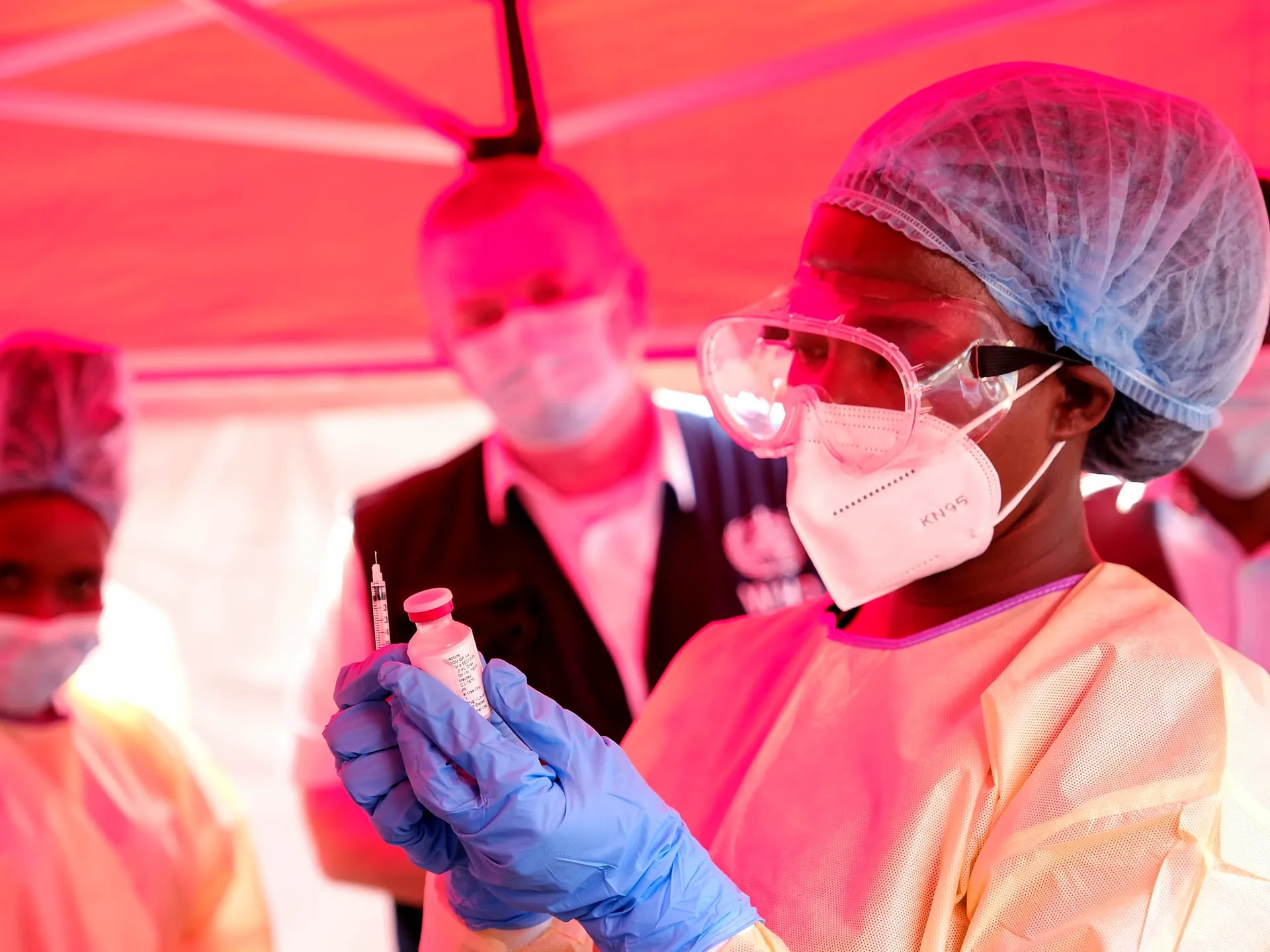
The World Health Organization (WHO) has officially declared the ongoing Ebola outbreak in the Democratic Republic of Congo (DRC) and Uganda a Public Health Emergency of International Concern (PHEIC). This critical designation, reserved for the most severe global health threats, underscores the escalating urgency and the potential for the deadly virus to spread beyond its current epicenters, posing a significant risk to regional and international health security. The declaration serves as a global call to action, mobilizing resources and coordinating efforts to contain an epidemic that has already claimed hundreds of lives and devastated communities.
The current outbreak, primarily centered in the eastern provinces of the DRC, particularly North Kivu and Ituri, represents one of the most complex and challenging Ebola responses in history. The region is a volatile mix of active armed conflict, widespread population displacement, and deep-seated community mistrust, all of which severely impede public health interventions. The virus, known for its high fatality rate and rapid transmission through direct contact with bodily fluids of infected individuals or contaminated objects, thrives in environments where surveillance is difficult and access to healthcare is limited. The recent confirmation of cases in Uganda, specifically in border districts, has heightened fears of cross-border transmission, prompting immediate and robust response measures from both national governments and international partners.
Ebola Virus Disease (EVD) is a severe, often fatal illness in humans. The virus is transmitted to people from wild animals and spreads in the human population through human-to-human transmission. Symptoms typically include fever, severe headache, muscle pain, weakness, fatigue, followed by vomiting, diarrhea, abdominal pain, and sometimes unexplained hemorrhage. Early diagnosis and supportive care are crucial for improving survival rates, but the initial symptoms can be non-specific, leading to delays in seeking treatment and increased opportunities for transmission within communities and healthcare settings.
One of the most significant hurdles in containing this outbreak has been the pervasive insecurity in eastern DRC. Numerous armed groups operate in the region, frequently attacking health workers, disrupting vaccination campaigns, and preventing safe burial practices. These acts of violence not only endanger responders but also erode the trust of local populations, making it harder to implement essential public health measures like contact tracing, isolation, and community engagement. Health teams often operate under armed escort, a testament to the perilous conditions, yet even this does not guarantee their safety. The constant movement of displaced populations fleeing conflict further complicates efforts, making it exceedingly difficult to track and monitor potential contacts of infected individuals.
Community engagement is paramount in any Ebola response, yet it remains a formidable challenge. Misinformation, rumors, and cultural beliefs can fuel resistance to public health interventions. Some communities view the response teams with suspicion, associating them with foreign interference or even believing that the disease is a hoax or a deliberate act. Building trust requires sustained, culturally sensitive communication, involving local leaders, traditional healers, and community members in the planning and implementation of response activities. Without this trust, even the most effective medical interventions can fail to achieve their desired impact.
The deployment of experimental vaccines has been a game-changer in previous outbreaks, offering a critical tool for protection. In this current outbreak, a highly effective vaccine has been widely used, administered through a 'ring vaccination' strategy, where contacts of confirmed cases and their contacts are vaccinated. This strategy aims to create a protective ring around infected individuals, limiting further spread. However, the success of vaccination campaigns is directly tied to access and acceptance. In areas where insecurity prevents consistent access or where communities resist vaccination due to mistrust, the protective barrier is weakened, allowing the virus to persist and spread.
Uganda's proactive stance and experience with previous Ebola scares have been crucial in its response. Upon confirmation of cases, the Ugandan government, in collaboration with the WHO and other partners, swiftly implemented robust border screening, contact tracing, and public awareness campaigns. However, the porous nature of the border between DRC and Uganda, with significant cross-border trade and movement of people, presents an ongoing risk. Vigilance and sustained cross-border collaboration are essential to prevent the establishment of new transmission chains within Uganda and beyond.
The declaration of a PHEIC by the WHO is not merely a symbolic gesture; it triggers a series of actions aimed at bolstering the international response. It encourages member states to implement temporary recommendations to prevent or reduce the international spread of disease, while avoiding unnecessary interference with international traffic and trade. Crucially, it also helps to unlock additional funding, resources, and technical expertise, allowing for a more coordinated and robust global effort. This includes deploying more specialized personnel, increasing laboratory capacity, enhancing surveillance systems, and scaling up treatment and prevention programs.
Beyond the immediate health crisis, the Ebola outbreak has profound socio-economic implications. It disrupts livelihoods, particularly in agricultural and trading communities, as fear of contagion can lead to reduced economic activity and travel restrictions. Children are disproportionately affected, facing interruptions to their education and the trauma of losing family members. The long-term recovery of affected communities requires not only medical intervention but also sustained humanitarian and development support to rebuild shattered lives and strengthen local infrastructure.
Lessons from past Ebola outbreaks, particularly the devastating West African epidemic of 2014-2016, underscore the critical importance of early detection, rapid response, and sustained international commitment. That outbreak highlighted the vulnerabilities of global health systems and the need for stronger primary healthcare infrastructure, better surveillance, and effective community engagement strategies. The current situation in DRC and Uganda serves as a stark reminder that despite advancements in medical science and public health, complex humanitarian emergencies can still challenge even the most prepared responses.
Looking ahead, the global community must maintain its focus and commitment to ending this outbreak. This involves not only addressing the immediate medical needs but also tackling the underlying issues of insecurity, poverty, and lack of access to basic services that exacerbate such health crises. Strengthening local health systems, investing in preparedness and response capabilities, and fostering trust between health authorities and communities are long-term strategies essential for preventing future epidemics. The fight against Ebola in DRC and Uganda is a test of global solidarity and a critical endeavor to protect the health and well-being of populations worldwide.
Support Nivaran Foundation's global health initiatives to strengthen disease prevention and emergency response worldwide.
Talk to Nivaran Global