
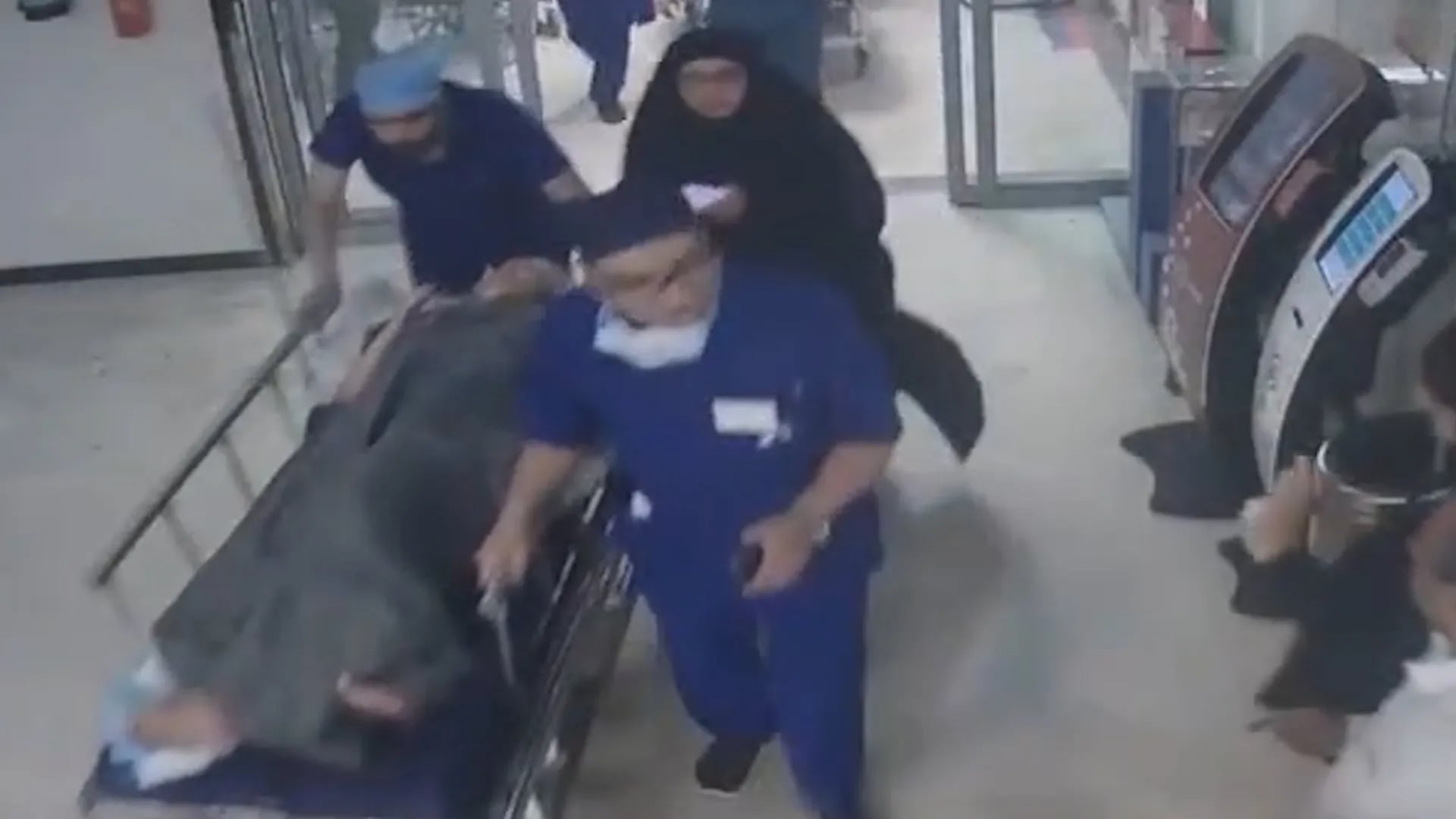
The sanctity of healthcare, a cornerstone of human dignity and a fundamental right, is increasingly under siege in conflict zones globally. Recent reports from the Middle East highlight a deeply concerning pattern of attacks on medical infrastructure and personnel across Iran, Lebanon, and Gaza, severely compromising the ability to deliver essential services and exacerbating already dire humanitarian situations. These actions not only violate international humanitarian law but also inflict profound and lasting damage on civilian populations, pushing fragile health systems to the brink of collapse.
The situation in Gaza stands as a stark testament to the devastating impact of sustained hostilities on healthcare. Years of blockade and recurrent military operations have systematically eroded the capacity of its medical sector. Hospitals, clinics, and ambulances have frequently been caught in the crossfire or directly targeted, leading to widespread destruction of facilities, critical shortages of equipment and medicines, and the tragic loss of medical professionals. The systematic targeting of infrastructure, including roads and power grids, further isolates medical facilities, making it nearly impossible for patients to reach care and for supplies to be delivered. Surgical units are overwhelmed, often operating without adequate anesthesia or sterile environments. Pediatric wards struggle with a surge in trauma cases and malnutrition, while chronic disease management becomes a luxury rather than a necessity. The mental health toll on both patients and healthcare providers is immense, with many suffering from severe trauma and burnout, yet lacking access to psychological support. The long-term implications for public health in Gaza are catastrophic, threatening generations with reduced life expectancy, increased disability, and a pervasive sense of insecurity regarding basic medical access.
In Lebanon, particularly in its southern regions, the escalation of cross-border hostilities has similarly placed immense pressure on an already strained healthcare system. Clinics and primary healthcare centers, vital for rural communities, have been damaged or forced to close, displacing patients and medical staff alike. The constant threat of violence has made it perilous for healthcare workers to perform their duties, leading to a critical exodus of skilled personnel from affected areas. This disruption extends beyond immediate emergency care, impacting routine vaccinations, maternal and child health services, and the management of non-communicable diseases. The displacement of populations seeking safety further burdens healthcare facilities in host communities, which often lack the resources to absorb the sudden influx of patients. The destruction of civilian infrastructure, including access routes, impedes humanitarian organizations from delivering aid and accessing vulnerable populations, creating pockets of severe medical need that remain unmet. The cumulative effect is a fragmented and weakened health system, struggling to provide even the most basic care amidst ongoing instability.
Across Iran, reports indicate that healthcare systems are also facing significant challenges and disruptions stemming from regional tensions and reported attacks. While the nature of these impacts can vary, they collectively undermine the nation's capacity to deliver comprehensive medical care. This can manifest through direct damage to infrastructure, the disruption of critical supply chains for essential medicines and equipment, or even through cyber warfare targeting medical databases and operational systems, which can cripple a modern healthcare network. Such actions, regardless of their specific methodology, place immense strain on hospitals, clinics, and public health initiatives, diverting resources from patient care to emergency response and system resilience. The psychological impact on medical staff operating under constant threat, combined with the difficulty in securing vital medical components due to geopolitical pressures, creates a precarious environment for healthcare delivery. The long-term consequences include a potential decline in public health standards, increased morbidity and mortality rates, and a profound sense of vulnerability among the population regarding their access to essential medical services.
These incidents underscore a blatant disregard for international humanitarian law, which explicitly protects medical facilities, personnel, and transport in times of armed conflict. The Geneva Conventions and their Additional Protocols enshrine the principles of medical neutrality, ensuring that healthcare providers can offer care without fear of attack, and that the sick and wounded receive treatment regardless of their affiliation. Targeting healthcare is a grave breach of these laws, constituting a war crime. Yet, despite these clear legal frameworks, such violations persist, often with impunity, further eroding the international community's commitment to protecting civilians in conflict zones. The systematic nature of some of these attacks suggests a deliberate strategy to incapacitate civilian life support systems, which has far-reaching humanitarian consequences.
The humanitarian crisis precipitated by these attacks extends far beyond immediate casualties. The collapse of healthcare infrastructure creates fertile ground for the resurgence of preventable diseases, as vaccination programs halt and sanitation systems fail. Mental health issues, including post-traumatic stress disorder, anxiety, and depression, become endemic among populations exposed to prolonged violence and deprivation. Children, particularly vulnerable, suffer from interrupted development, chronic stress, and a lack of access to specialized care. Aid organizations face immense challenges in operating within these environments, contending with security risks, bureaucratic hurdles, and the sheer scale of need. Their efforts to deliver life-saving assistance are frequently hampered by damaged roads, blockades, and the constant threat of violence, making it exceedingly difficult to reach those most in need.
The global implications of these attacks are profound. When healthcare is deliberately targeted, it sends a chilling message about the erosion of fundamental human rights and the breakdown of international norms. It undermines the very fabric of societies, sowing distrust and despair. The international community has a collective responsibility to condemn such actions unequivocally, demand accountability for violations, and ensure the protection of healthcare in all conflict settings. Upholding medical neutrality is not merely a legal obligation; it is a moral imperative that reflects our shared humanity. Without robust mechanisms for enforcement and sustained diplomatic pressure, the targeting of healthcare risks becoming an accepted, rather than abhorrent, feature of modern warfare.
Nivaran Foundation calls for an immediate cessation of all attacks on healthcare facilities and personnel, and for unimpeded access for humanitarian aid to all affected regions. It is imperative that all parties to conflict adhere strictly to international humanitarian law and prioritize the protection of civilians and their access to essential services. The long-term recovery of these communities depends on the restoration of robust healthcare systems, a goal that can only be achieved through sustained peace, accountability, and unwavering international support for the principles that safeguard human life and dignity.
Support Nivaran Foundation's global initiatives to protect healthcare access and deliver vital aid in conflict-affected regions worldwide.
Talk to Nivaran Global