
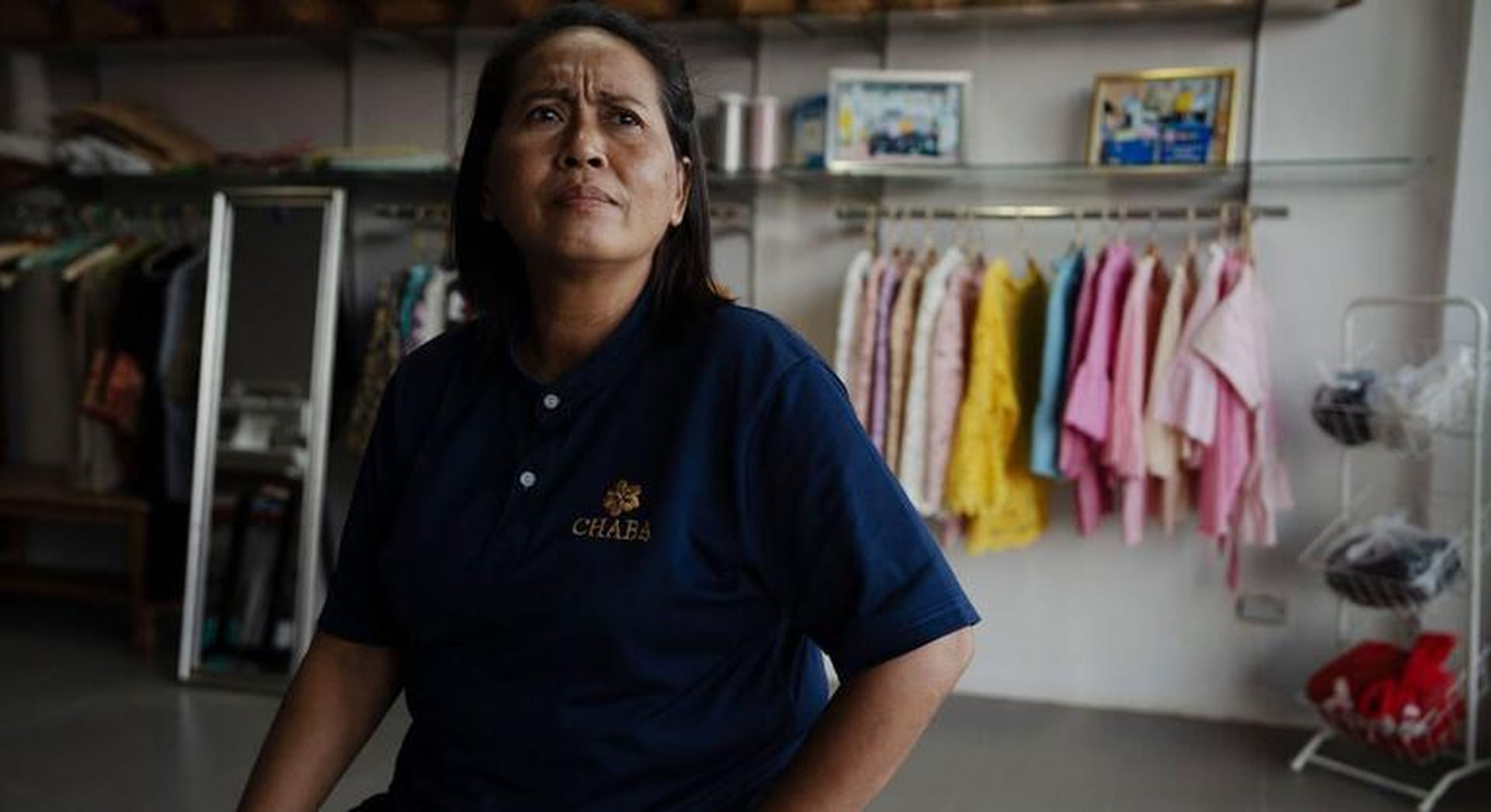
The story of a Thai woman, who navigated the harrowing realities of death row and emerged to build a new life, stands as a profound testament to the human spirit's capacity for resilience and the transformative power of rehabilitation. Her two-decade journey through the Thai penal system, including eight years under a death sentence for drug trafficking, offers a compelling narrative that transcends geographical boundaries, underscoring critical global discussions around justice, human rights, and the efficacy of correctional facilities worldwide. This individual's experience highlights how purposeful engagement, particularly through skill acquisition, can not only provide solace in the darkest of times but also forge a viable path towards successful societal reintegration upon release. It is a powerful illustration of how education, even in the most restrictive environments, can serve as a cornerstone for mental well-being and a foundation for a second chance at life.
Her ordeal began with an arrest for drug trafficking, a charge that in many jurisdictions across Asia, the Middle East, and other parts of the world, carries severe penalties, including capital punishment. The initial years of her imprisonment were undoubtedly marked by profound despair and agonizing uncertainty, a common plight for individuals facing lengthy sentences, let alone the ultimate penalty. The psychological toll of living under the shadow of execution is immense, often leading to severe mental health challenges, including chronic anxiety, deep depression, and a pervasive sense of hopelessness. In such an environment, the very notion of a future can seem distant, if not entirely extinguished, replaced by an overwhelming sense of dread and isolation. Her confinement, like that of millions globally, represented a stark removal from society, a period often intended primarily for punishment but frequently lacking adequate provisions for genuine personal development, therapeutic intervention, or the cultivation of practical skills necessary for a productive life post-incarceration. The global debate surrounding capital punishment often overlooks the human cost of prolonged stays on death row, where individuals grapple with their mortality daily.
It was within this bleak landscape that a pivotal shift occurred, offering a glimmer of hope. Amidst the monotony and despair of prison life, she discovered a vocational training program: sewing. This seemingly simple act of learning a craft became her lifeline, an unexpected avenue for mental engagement and profound personal growth. The process of mastering intricate stitches, understanding various fabrics, and constructing garments offered a structured routine that contrasted sharply with the often-unstructured and dehumanizing nature of incarceration. It provided a tangible sense of purpose, a concrete goal to work towards each day, replacing idle time with focused activity. This engagement was far more than a mere distraction; it was a form of active learning, a practical education that stimulated cognitive functions, enhanced fine motor skills, and fostered a deep sense of achievement. The discipline required to learn and perfect a skill like sewing can be profoundly therapeutic, offering a means to regain a sense of control, self-efficacy, and self-worth in an environment designed to strip individuals of autonomy and identity. It allowed her to channel her energies constructively, mitigating the corrosive effects of prolonged confinement on her mental health.
The educational aspect of this experience cannot be overstated. Vocational training programs within correctional facilities are increasingly recognized globally as vital components of effective rehabilitation strategies. They equip incarcerated individuals with marketable skills, transforming periods of confinement into opportunities for personal and professional development rather than merely lost time. For this woman, sewing became more than just a hobby or a temporary diversion; it was a pathway to rebuilding her identity, shifting her focus from her past mistakes and the grim reality of her sentence towards a future where she could contribute meaningfully. This educational intervention addressed not only the practical need for future employment but also the deeper psychological need for meaning, connection, and a sense of belonging, serving as a crucial health intervention by mitigating the severe mental health impacts of long-term incarceration. Such programs embody the principle that education is a fundamental human right, even for those deprived of liberty, and a powerful tool for personal transformation.
Upon her eventual release, after two decades behind bars, including the harrowing years on death row, the challenges of re-entry into society were formidable. The world outside prison walls had changed dramatically, and she faced the universal hurdles of societal stigma, limited access to resources, and the daunting task of establishing a new life from scratch. Many ex-offenders struggle immensely with these obstacles, often leading to homelessness, unemployment, and a return to criminal activities. However, unlike many who emerge from long sentences with limited prospects, she possessed a valuable, tangible skill. Her proficiency in sewing, honed over years of dedicated practice, provided her with a practical foundation. This skill was not merely theoretical; it was a proven capability that translated directly into employment opportunities. Securing a job, a critical step for successful reintegration and preventing recidivism, became achievable because she had proactively invested in her own education and development while incarcerated. Her story powerfully illustrates how vocational education within prisons can effectively break the cycle of recidivism, offering a sustainable alternative to a return to criminal activity and fostering genuine social inclusion.
This narrative holds significant global implications for justice systems and human rights advocates. It underscores the urgent need for comprehensive rehabilitation programs in prisons worldwide, moving beyond purely punitive models to embrace restorative justice and educational frameworks. Many correctional facilities, particularly in developing nations, struggle with overcrowding, underfunding, and a severe lack of resources for meaningful rehabilitation. Yet, stories like hers demonstrate unequivocally that investing in education and vocational training is not just a humanitarian gesture; it is a strategic investment in public safety, economic stability, and overall societal well-being. By equipping incarcerated individuals with practical, marketable skills, we empower them to become productive members of society, reducing the likelihood of re-offending and fostering safer, more cohesive communities. It also addresses the economic burden of high recidivism rates, as successful reintegration reduces the costs associated with re-incarceration and welfare dependency.
The Nivaran Foundation, through its global news desk, highlights such stories to emphasize the interconnectedness of health, education, and social justice. The mental resilience fostered by learning a skill, the practical education gained, and the subsequent opportunity for dignified employment are all critical elements of holistic well-being and human development. This woman's journey serves as a powerful reminder that every individual, regardless of their past transgressions, possesses the inherent potential for transformation and redemption when provided with the right tools, opportunities, and supportive environment. It calls for a global re-evaluation of how societies approach incarceration, advocating for systems that prioritize human development and prepare individuals for successful re-entry rather than merely warehousing them in conditions that often exacerbate existing problems.
Her experience is not an isolated incident but a beacon of hope that illuminates the path forward for prison reform globally. It challenges policymakers, prison administrators, and civil society organizations to champion initiatives that integrate robust educational and vocational training programs into correctional frameworks as a standard practice. Such programs are essential for addressing the root causes of recidivism, promoting mental health among incarcerated populations, and fostering a more just and equitable society for all. The profound impact of a sewing machine on one woman's life, transforming despair into purpose and a death sentence into a new beginning, speaks volumes about the universal power of education to unlock human potential and offer a second chance at life. Her story is a compelling argument for a compassionate, evidence-based, and forward-thinking approach to criminal justice, one that recognizes the inherent dignity of every individual and invests strategically in their capacity for positive change and contribution to society.
Support Nivaran Foundation's global initiatives to empower vulnerable populations through education and rehabilitation programs worldwide.
Talk to Nivaran Global