
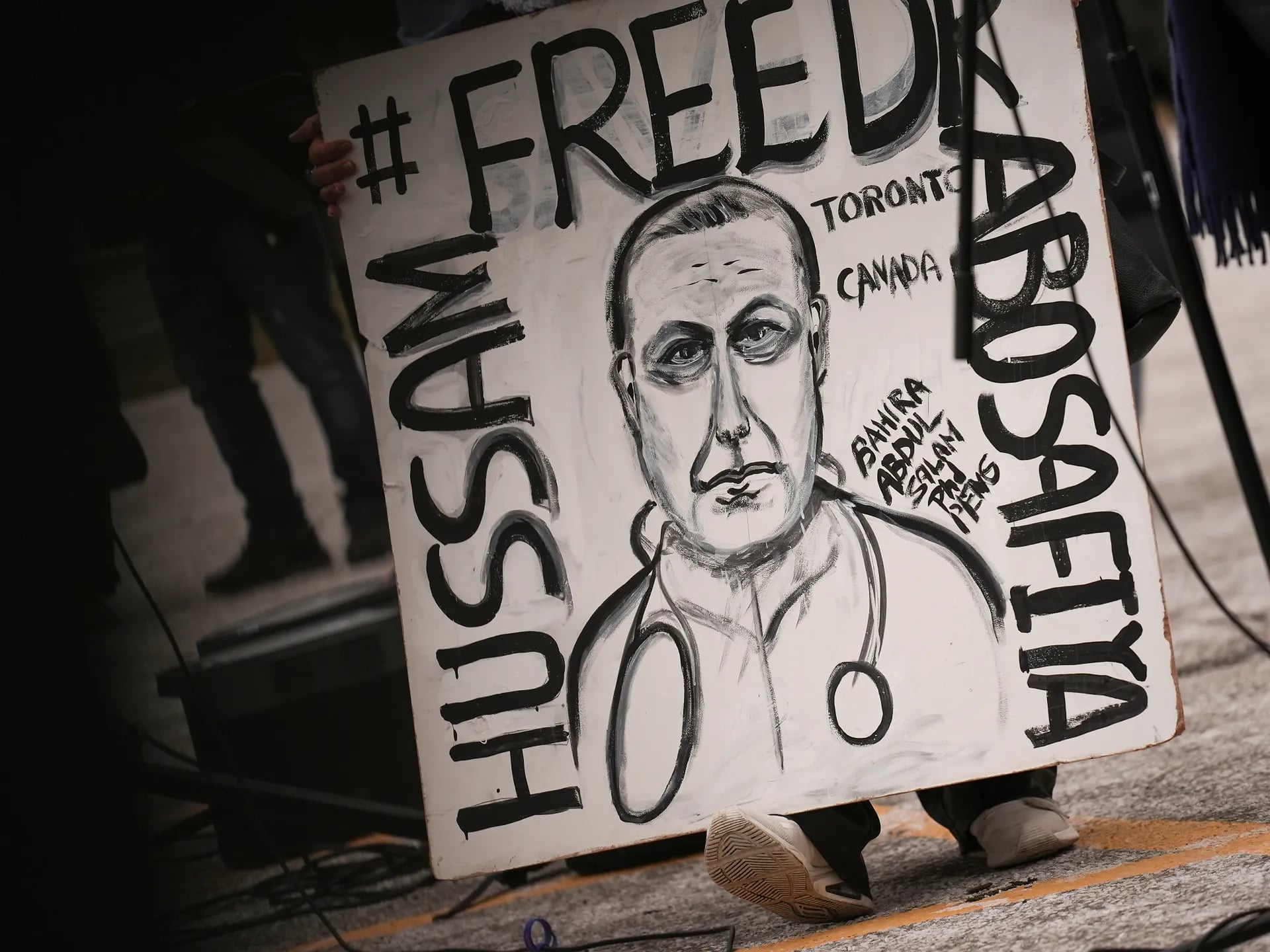
A critical legal battle concerning fourteen Palestinian doctors detained from the Gaza Strip has reached the Supreme Court of Israel. Physicians for Human Rights-Israel (PHR-Israel), a prominent human rights organization, has filed a petition demanding their immediate release. The group asserts that their continued incarceration violates rights and significantly impedes catastrophic efforts to rehabilitate Gaza's decimated healthcare system. This legal challenge underscores conflict's profound impact on essential services and medical neutrality's vital role in protecting civilian populations.
Gaza's healthcare infrastructure has been under immense strain for years, dramatically exacerbated by recent escalations. Medical facilities, once struggling with chronic shortages of equipment, medicines, and specialized personnel, have been largely destroyed or rendered non-functional. Hospitals have been targeted, supply lines disrupted, and medical staff have faced unprecedented risks, including injury, displacement, and detention. International bodies, including the World Health Organization, consistently describe the system as on the brink of total collapse. Access to basic medical care, including emergency services, maternal health, and chronic disease management, has become severely limited for civilians, leading to a profound humanitarian crisis. This cumulative effect has created an environment where preventable diseases and treatable conditions are now leading causes of mortality and morbidity.
The petition by PHR-Israel underscores the critical role these fourteen doctors play in any prospective recovery of health services. Their expertise spans various essential fields, and their absence creates irreparable gaps in a system already struggling with acute staff shortages. The organization argues that detaining medical personnel, especially those vital for a civilian population's survival in a conflict zone, contravenes fundamental principles of international humanitarian law. Medical workers are afforded special protection under these laws, designed to ensure they can carry out life-saving duties without fear of reprisal or detention. PHR-Israel's legal challenge seeks to uphold these protections and ensure unimpeded healthcare provision, emphasizing medical work's sanctity even amidst conflict.
PHR-Israel's advocacy extends beyond individual cases. The organization views their detention as part of a broader pattern actively obstructing Gaza's healthcare rehabilitation. With hospitals reduced to rubble and medical supplies scarce, human capital—doctors, nurses, and paramedics—becomes even more invaluable. Their presence is essential not just for immediate emergency response but also for long-term planning and rebuilding a functional health system. Their removal effectively exacerbates the public health catastrophe and prolongs millions' suffering, creating a vacuum not easily filled by external aid alone. Indigenous capacity for healthcare delivery is paramount for sustainable recovery.
The legal arguments presented to the Supreme Court are rooted in both Israeli administrative law and international humanitarian law. PHR-Israel contends that the detentions are arbitrary, lack transparency, and fail to meet stringent legal thresholds for holding medical personnel, particularly where their skills are desperately needed by a civilian population. The petition seeks judicial review of the detention orders, urging the court to consider broader humanitarian implications. The organization emphasizes that the right to health is a fundamental human right, and actions undermining healthcare provision, especially in a crisis, have far-reaching and devastating consequences for an entire community.
International humanitarian law, specifically the Geneva Conventions and their Additional Protocols, provides a robust framework for the protection of medical personnel and facilities during armed conflict. These laws mandate that medical personnel, whether civilian or military, must be respected and protected in all circumstances. They are not to be attacked, punished, or detained for carrying out their medical duties, irrespective of the side to which the wounded or sick belong. The principle of medical neutrality is paramount, ensuring healthcare providers can offer aid impartially. PHR-Israel's petition implicitly, and at times explicitly, invokes these principles, arguing that the detentions represent a breach of these internationally recognized norms. The international community, including organizations like the International Committee of the Red Cross (ICRC) and Doctors Without Borders (MSF), consistently advocates for strict adherence to these protections, recognizing their fundamental role in mitigating human suffering in war zones and preserving medical practice's ethical core.
The broader context of this legal challenge is the ongoing humanitarian crisis in Gaza. The population faces widespread displacement, severe food insecurity, lack of clean water, and the rapid spread of infectious diseases, all compounded by the absence of a functioning healthcare system. The detention of doctors removes a critical layer of defense against these public health threats. Each detained doctor represents not only an individual deprived of liberty but also potentially thousands of patients deprived of care. This situation creates a ripple effect, impacting not only immediate medical needs but also long-term public health outcomes, including child mortality, maternal health, and the management of chronic conditions like diabetes and heart disease, which require continuous medical oversight and specialized intervention.
The global health community has watched with growing alarm as the situation in Gaza has deteriorated. Organizations worldwide have called for unimpeded access for humanitarian aid, including medical supplies and personnel, and for the protection of all healthcare workers. The petition by PHR-Israel serves as a stark reminder of the challenges faced by those attempting to provide aid and rebuild essential services in conflict-affected areas. It highlights the complex interplay between security concerns, human rights, and the imperative of humanitarian action. The outcome of this Supreme Court petition could set a significant precedent for the treatment of medical professionals in conflict zones and state responsibilities under international humanitarian law, influencing future humanitarian responses globally.
The Nivaran Foundation, through its global news desk, emphasizes upholding medical neutrality and protecting healthcare workers in all conflict settings. The plight of the fourteen detained Gaza doctors is a microcosm of a larger global challenge where healthcare systems are weaponized or become collateral damage, severely impacting civilian populations. The foundation advocates for a world where access to health and education is a universal right, unhindered by geopolitical strife. The Israeli Supreme Court's decision will be closely watched by human rights advocates, medical organizations, and humanitarian agencies worldwide, as it will inevitably reflect on the international community's commitment to protecting those who dedicate their lives to saving others, even in the most perilous circumstances. The long-term implications for Gaza's population, already enduring unimaginable hardship, hinge significantly on its healthcare system's ability to recover, which cannot begin without its essential personnel. This legal battle is not merely about individual freedom; it is about the fundamental right to health for an entire population.
Support Nivaran Foundation's global efforts to advocate for humanitarian aid and healthcare access in conflict-affected regions worldwide.
Talk to Nivaran Global