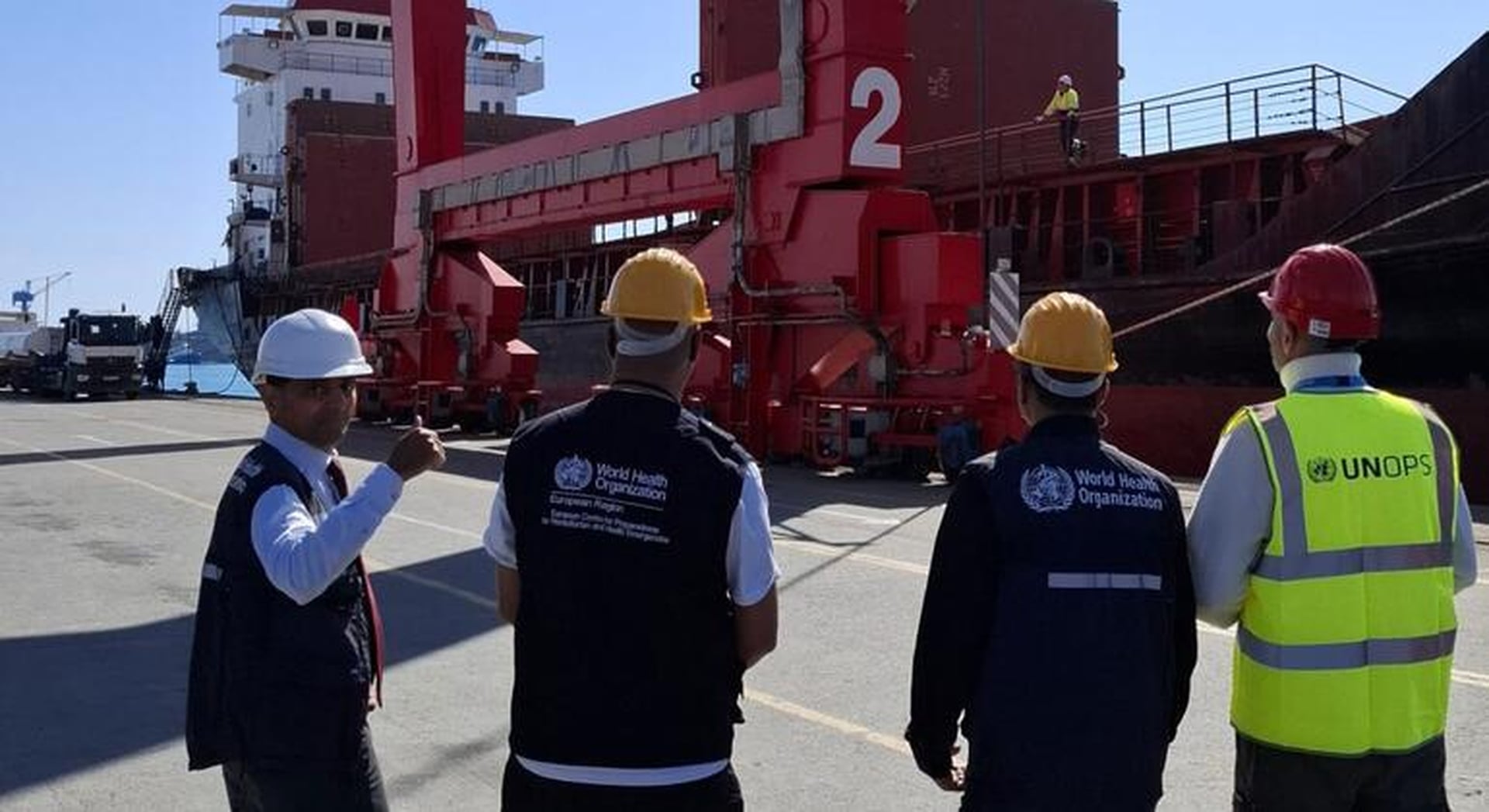
The humanitarian landscape in the Gaza Strip has been profoundly reshaped by ongoing conflict, leading to an unprecedented crisis that has pushed millions to the brink of survival. Amidst the severe challenges of delivering essential aid, a significant breakthrough has emerged: the successful arrival of 106 metric tonnes of lifesaving nutrition supplies facilitated by the World Health Organization (WHO). This landmark delivery, the first of its kind via a newly established sea corridor, represents a critical step in alleviating the dire conditions faced by the civilian population. This innovative mechanism for aid delivery, implemented in alignment with a recent UN Security Council resolution, offers a beacon of hope, demonstrating a concerted global effort to circumvent the logistical bottlenecks that have long hampered humanitarian operations in the besieged territory. The shipment underscores the international community's unwavering commitment to providing essential health and nutritional support to those most affected by the protracted conflict.
Before this crucial sea delivery, the humanitarian situation in Gaza had deteriorated to catastrophic levels. Years of blockade, coupled with the recent intensification of hostilities, have crippled essential services, decimated infrastructure, and severely restricted access to food, clean water, and medical care. Health facilities are overwhelmed, operating with critical shortages of medicines, equipment, and personnel. Malnutrition rates, particularly among children and pregnant women, have soared, with reports indicating a significant rise in acute malnutrition and even starvation in certain areas. The psychological toll on the population, especially children, is immense, with widespread trauma and mental health challenges. Land routes for aid delivery have been consistently insufficient, often delayed or entirely blocked, creating an insurmountable barrier for humanitarian organizations striving to reach those in desperate need. The scarcity of basic necessities has led to a public health emergency, with infectious diseases spreading rapidly due to poor sanitation and overcrowded living conditions. This backdrop highlights the urgency and profound importance of any new avenue that can reliably deliver aid, making the WHO-facilitated sea shipment not just a logistical success, but a moral imperative. The sheer scale of human suffering necessitated a radical rethinking of aid distribution, pushing international bodies to explore every possible channel to prevent further loss of life and mitigate the unfolding catastrophe.
The establishment of a maritime corridor for humanitarian aid into Gaza marks a pivotal development in the ongoing efforts to address the crisis. This new mechanism, operationalized following a UN Security Council resolution, aims to provide a more consistent and reliable channel for the flow of essential supplies, bypassing some of the traditional impediments associated with land-based routes. The 106-tonne consignment of nutrition supplies, meticulously prepared and transported under the WHO's coordination, represents the inaugural success of this complex logistical undertaking. The process involved intricate planning, coordination among multiple international agencies, and securing necessary permissions to ensure the safe passage and timely offloading of the cargo. The supplies, vital for combating malnutrition and supporting vulnerable populations, were carefully selected to address the most pressing health needs identified on the ground. This sea route is not merely an alternative; it is a strategic necessity, designed to complement existing efforts and significantly augment the volume and regularity of aid reaching Gaza. Its successful implementation demonstrates the potential for innovative solutions in the face of seemingly intractable humanitarian challenges, setting a precedent for future aid operations in conflict zones where conventional access is severely restricted. The collaborative spirit among international partners, including the UN and various non-governmental organizations, was instrumental in transforming this ambitious concept into a tangible reality, offering a tangible pathway to alleviate suffering.
The arrival of 106 metric tonnes of nutrition supplies carries immense significance for the health and well-being of Gaza's population. These supplies are specifically designed to address severe acute malnutrition, particularly among infants, young children, pregnant and lactating women, and the elderly – groups most susceptible to the devastating effects of food insecurity. The aid includes therapeutic foods, essential micronutrient supplements, and specialized formulas crucial for treating wasting and stunting. For countless families, this shipment means the difference between life and death, offering a chance for recovery and improved health outcomes in an environment where basic sustenance is a daily struggle. Beyond the immediate nutritional benefits, the delivery also provides a much-needed psychological boost, signaling to the beleaguered population that the world has not forgotten their plight. It reinforces the principle that humanitarian aid must be delivered unimpeded, irrespective of political or military considerations. While a single shipment cannot resolve the entirety of Gaza's humanitarian crisis, it serves as a critical proof of concept for the sea corridor, validating its potential to deliver high-volume, essential supplies. This initial success is a testament to the perseverance of humanitarian organizations and the international community's commitment to finding viable pathways for aid delivery in the most challenging circumstances.
While the successful delivery of the first sea-borne aid shipment is a commendable achievement, it is imperative to acknowledge that this represents only a fraction of the immense need within Gaza. The challenges ahead remain formidable. Sustaining a consistent flow of aid through the maritime corridor will require continuous logistical coordination, robust security assurances, and unwavering political will from all parties involved. The offloading and distribution of supplies once they reach the coast present their own set of complexities, requiring secure routes, adequate storage facilities, and a network of humanitarian workers capable of reaching the most vulnerable populations across the Strip. Furthermore, the underlying causes of the humanitarian crisis – the ongoing conflict and restrictions on movement – must be addressed for any long-term solution. This sea route, while vital, is a temporary measure designed to mitigate an emergency; it is not a substitute for comprehensive peace and unimpeded land access. The international community must continue to advocate for a durable ceasefire, the protection of civilians, and full adherence to international humanitarian law. Organizations like the WHO and the UN will need sustained funding and operational support to expand these efforts, ensuring that subsequent shipments are larger, more frequent, and reach every corner of the territory where lives hang in the balance.
The arrival of the 106-tonne nutrition aid shipment via the new sea route to Gaza is a powerful demonstration of resilience and international cooperation in the face of profound adversity. It underscores the critical role of organizations like the World Health Organization in navigating complex geopolitical landscapes to deliver essential health services. While this milestone offers a crucial lifeline, it also highlights the urgent need for continued, expanded, and unimpeded humanitarian access to Gaza. Nivaran Foundation recognizes that such efforts are paramount in safeguarding global health and ensuring that vulnerable populations receive the support they desperately need during times of crisis. The global community must build upon this success, transforming this initial breakthrough into a sustained and comprehensive response to the ongoing humanitarian catastrophe.
Your support enables Nivaran Foundation to champion global health initiatives and ensure critical aid reaches communities in crisis worldwide.
Talk to Nivaran Global