
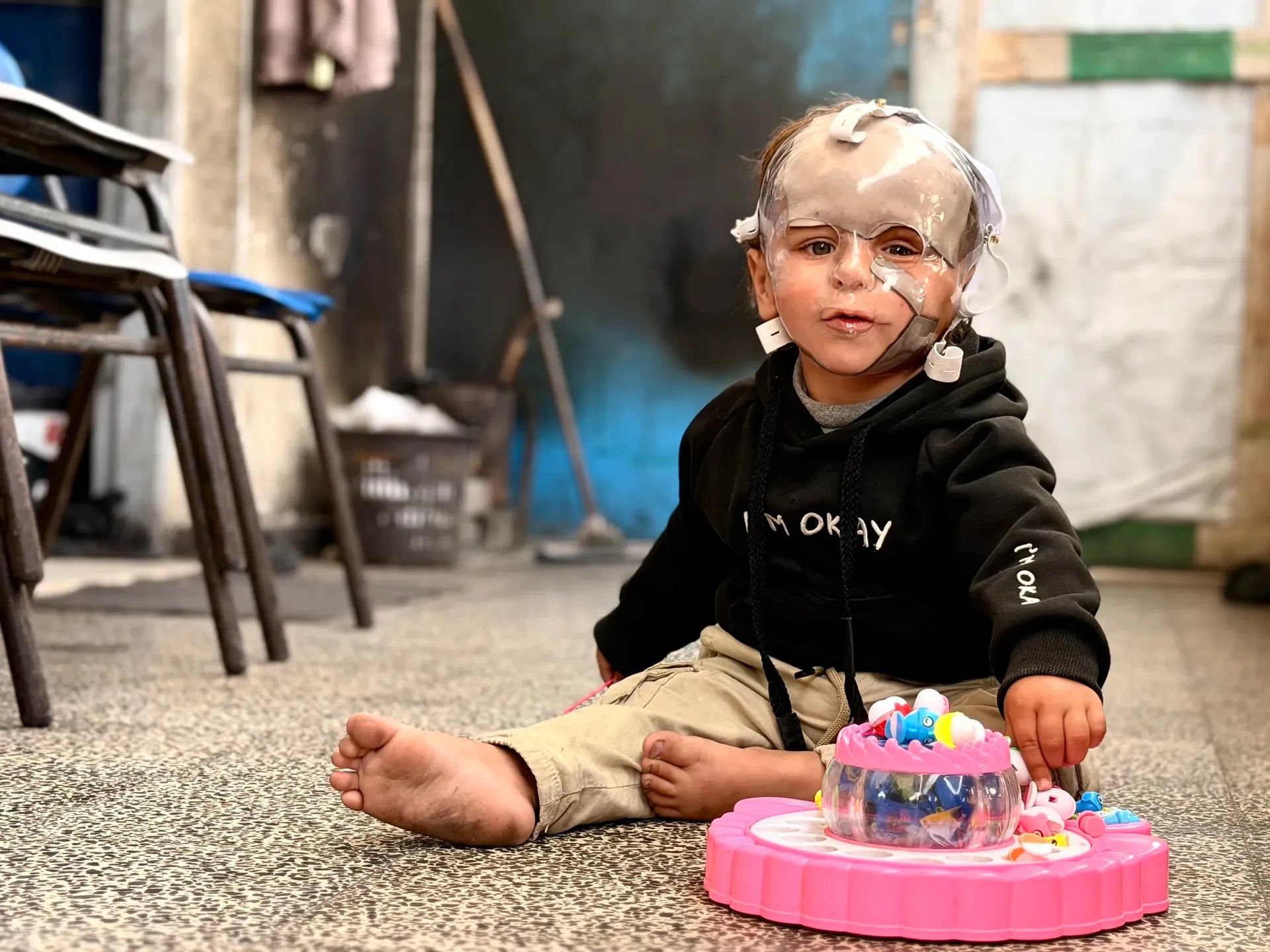
The humanitarian catastrophe unfolding in Gaza has etched an indelible mark on its youngest inhabitants, creating a generation burdened by profound and often lifelong health challenges. As the conflict continues to devastate the region, children born into or surviving this period are emerging with a complex array of physical and psychological scars, exacerbated by a healthcare system pushed to the brink of total collapse. This crisis transcends immediate injury, portending a future where countless children will navigate life with severe disabilities, demanding a global response far beyond emergency aid.
The relentless intensity of the conflict has exposed Gaza's children to unimaginable dangers, resulting in a spectrum of devastating injuries that often leave permanent marks. From the direct impact of bombardments causing severe burns, traumatic amputations, and complex fractures, to the insidious effects of toxic gas exposure leading to chronic respiratory ailments and neurological damage, the very environment has become a pervasive threat. Infants and toddlers, with their developing bodies and fragile systems, are particularly vulnerable, often suffering irreversible harm from conditions that, under normal circumstances, would be treatable and manageable. The sheer scale of these injuries, combined with the critical lack of immediate, specialized medical intervention, means that many initial wounds tragically evolve into permanent disabilities, profoundly shaping the entirety of a child’s future trajectory and quality of life.
Compounding this tragedy is the near-total decimation of Gaza’s healthcare infrastructure, which has been systematically dismantled. Hospitals, once vital pillars of community health, have been damaged, destroyed, or rendered non-functional, their wards now overflowing with the wounded and sick, yet desperately short of essential medicines, surgical equipment, and even basic sanitation supplies. Medical professionals, many of whom have themselves lost homes, family members, and colleagues, work under truly impossible conditions, facing an overwhelming influx of patients with increasingly complex and severe needs. The absence of reliable electricity, clean water, and secure supply lines means that even routine medical procedures become perilous endeavors, and advanced surgical interventions or long-term rehabilitative care, which are crucial for preventing permanent disability, are virtually non-existent. This catastrophic systemic breakdown ensures that even those who survive their initial injuries are tragically denied the necessary follow-up treatment, comprehensive rehabilitation, and assistive devices crucial for mitigating long-term disability and fostering independence.
The consequences for these child survivors are dire and profoundly far-reaching, condemning many to lives marked by chronic pain, severely limited mobility, and often, lifelong dependence. Burns, frequently extensive and deep, result in severe scarring, painful contractures, and significant functional impairments that would typically require years of complex reconstructive surgery and intensive physical therapy – essential resources that are simply unavailable within Gaza. Exposure to toxic substances can lead to persistent and debilitating respiratory problems, compromised lung function, and a range of neurological disorders affecting cognitive development, motor skills, and overall brain function. Vision and hearing impairments, often a direct result of blast injuries, head trauma, or untreated infections, further isolate these children from their peers, educational opportunities, and the wider world. These are not temporary setbacks but permanent, life-altering alterations to their physical and mental landscapes, demanding comprehensive and sustained support that Gaza's current, shattered infrastructure is utterly incapable of providing.
Beyond the visible physical wounds, an invisible epidemic of psychological trauma grips Gaza’s children. Constant exposure to violence, the devastating loss of family members, forced displacement, and the pervasive sense of insecurity inflict deep emotional scars that may never fully heal. While the immediate focus is often on physical survival and the treatment of visible injuries, the mental health implications are equally profound, manifesting as anxiety disorders, post-traumatic stress, and significant developmental delays. Without access to specialized psychological support and safe, stable environments, these children face a future where their emotional well-being is as compromised as their physical health, severely hindering their ability to learn, form healthy relationships, and ultimately thrive.
The implications for Gaza's future generation are staggering and deeply concerning. Children with severe disabilities require specialized educational approaches, accessible environments, and ongoing, tailored medical care to reach their full potential and integrate into society. In a region where basic services are shattered, and the very fabric of daily life is disrupted, the prospect of providing such comprehensive and sustained support seems tragically distant. This generation, born into or surviving a period of intense conflict, risks being marginalized, their potential stifled by circumstances entirely beyond their control. The long-term societal cost of neglecting these profound needs will be immense, impacting not only the individuals but the entire social and economic fabric of a community striving desperately to rebuild.
This escalating health crisis in Gaza demands urgent, robust, and sustained global attention. It serves as a stark and tragic reminder that the impact of conflict extends far beyond immediate casualties, leaving a devastating legacy of chronic illness and profound disability that will persist for decades, affecting generations. International humanitarian organizations, national governments, and global health bodies must prioritize the immediate and long-term restoration of Gaza's healthcare system. This includes ensuring immediate access to specialized medical care, comprehensive rehabilitation services, and crucial mental health support for children. Concrete actions must encompass rebuilding damaged facilities, restocking essential medical supplies, providing advanced training for medical personnel, and establishing sustainable, long-term programs for disability management, inclusive education, and psychosocial support. The scale of the need requires a coordinated international effort, moving beyond emergency relief to foundational reconstruction and investment in human potential.
The plight of Gaza’s child survivors underscores a universal and heartbreaking truth: children are invariably the most vulnerable victims in any conflict, and their suffering carries the heaviest, most enduring burden for the future of any society. Nivaran Foundation advocates tirelessly for a world where every child, regardless of their circumstances or geographical location, has the fundamental right to health, safety, and the equitable opportunity to thrive. The international community bears a profound moral imperative to act decisively, not just to alleviate immediate suffering, but to invest deeply and strategically in the long-term well-being, rehabilitation, and empowerment of a generation irrevocably scarred by war, ensuring that their future is not solely defined by the trauma they have endured, but by the hope and support they receive.
Support Nivaran Foundation's global efforts to provide critical health and education resources in crisis-affected regions worldwide.
Talk to Nivaran Global