
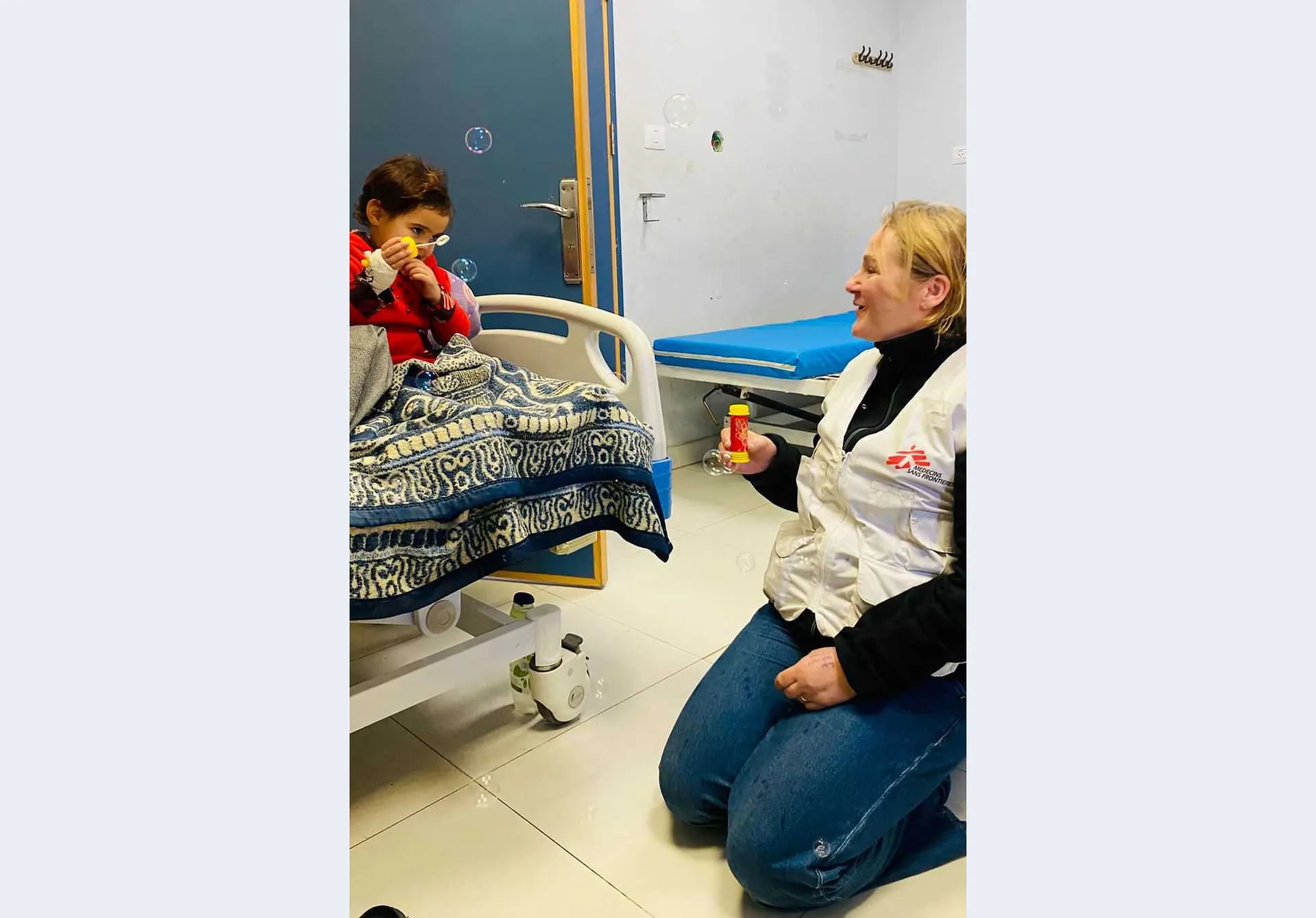
In the shadow of relentless conflict, a silent crisis is unfolding among the children of Gaza, one that threatens to rob a generation of their fundamental ability to communicate. An estimated one million children in the besieged enclave are in urgent need of mental health and psychosocial support, a staggering figure that underscores the profound and often invisible wounds inflicted by prolonged exposure to violence and displacement. Among the most alarming manifestations of this widespread trauma is a growing number of children who are losing their ability to speak, a devastating regression that speaks volumes about their internal suffering.
This phenomenon, ranging from selective mutism to complete speech regression, is not merely a speech impediment but a profound psychological shutdown. Children, whose developing brains are particularly vulnerable to extreme stress, are exhibiting symptoms typically associated with severe trauma responses. The constant threat of bombardment, the destruction of homes, the loss of family members, and the pervasive sense of insecurity create an environment of chronic fear and helplessness. In an attempt to cope with overwhelming sensory and emotional input, some children's minds appear to retreat, manifesting in an inability to articulate thoughts or feelings verbally.
The Roots of Profound Trauma
The psychological distress experienced by children in Gaza is multifaceted, stemming from an accumulation of traumatic events. They are exposed to continuous, high-intensity violence, including airstrikes and ground operations, which shatter any sense of safety. Displacement is a recurring nightmare, forcing families to abandon their homes, schools, and communities, often multiple times, to seek refuge in overcrowded, unsanitary shelters. This constant uprooting deprives children of stability and predictability, essential elements for healthy development.
Beyond the immediate dangers, children witness unimaginable loss – parents, siblings, friends, and relatives killed or severely injured. The destruction of their physical environment, including schools, hospitals, and playgrounds, further erodes their sense of normalcy and future. Compounding these horrors is severe deprivation, with limited access to food, clean water, medicine, and adequate shelter. Such conditions create a perpetual state of stress, where basic survival instincts overshadow all other developmental needs, leaving deep and lasting psychological scars.
The Mechanisms of Silent Suffering
From a neurobiological perspective, extreme and prolonged stress can significantly impact brain development and function. Children's brains are still forming, making them highly susceptible to the effects of trauma. The constant activation of the 'fight, flight, or freeze' response can lead to dysregulation of the nervous system. For some children, the 'freeze' response manifests as a profound withdrawal, where verbal communication, a complex cognitive and social function, becomes overwhelming or impossible. This can appear as selective mutism, where a child speaks in some settings but not others, or a more complete regression where previously acquired speech is lost entirely.
This loss of speech is often accompanied by other symptoms of post-traumatic stress disorder (PTSD), severe anxiety, and depression. Children may experience nightmares, flashbacks, hypervigilance, and an exaggerated startle response. Behavioral changes are common, including increased aggression, extreme withdrawal, bedwetting, difficulty sleeping, and an inability to concentrate. These 'invisible wounds' are often more pervasive and long-lasting than physical injuries, impacting every aspect of a child's cognitive, emotional, and social development.
Barriers to Essential Care
The scale of mental health needs far outstrips the available resources in Gaza. The healthcare system, already fragile, is overwhelmed by the sheer volume of physical injuries, leaving mental health services severely under-resourced and understaffed. There is an extreme shortage of trained mental health professionals, including psychologists, psychiatrists, and therapists, who possess the specialized skills required to treat trauma in children. The ongoing conflict and blockades further impede the delivery of consistent care, making it nearly impossible to establish safe, stable environments for therapy or play-based interventions.
Furthermore, the stigma associated with mental health issues can prevent families from seeking help, even when services are available. Limited resources for training and capacity building mean that the local workforce struggles to meet the escalating demand. The international community's efforts, while crucial, often face immense logistical and political hurdles, making sustained, comprehensive mental health support a distant reality for many of these vulnerable children.
Long-Term Societal Implications
The long-term implications of this silent crisis extend far beyond individual suffering. A generation growing up with profound psychological scars, potentially struggling with communication and social integration, poses significant challenges for the future of Gaza. The impact on education will be immense, as traumatized children find it difficult to learn, concentrate, or engage in classroom settings. This could lead to a cycle of underachievement and limited opportunities, further entrenching poverty and instability.
Moreover, the collective trauma experienced by these children risks intergenerational transmission, affecting future family dynamics and community well-being. Addressing this crisis is not merely a humanitarian imperative but an investment in the future stability and resilience of the region. Without sustained, comprehensive psychosocial support, the potential for a society struggling with widespread mental health issues is a grim reality.
A Global Call for Action
Gaza serves as a stark and tragic example of how conflict devastates the mental health of children, but it is not an isolated phenomenon. Children in conflict zones worldwide face similar, though perhaps less extreme, challenges. This crisis highlights the urgent need for integrating mental health and psychosocial support into humanitarian responses globally, recognizing it as a critical component of emergency aid, not an afterthought. Protecting the mental well-being of children in conflict requires immediate and sustained international attention, robust funding for specialized services, and safe, unimpeded access for humanitarian organizations.
Ultimately, the ability of a child to speak, to express themselves, to learn, and to connect with others is fundamental to their development and their future. The silent suffering of Gaza's children is a powerful reminder of the profound human cost of conflict and the urgent global responsibility to safeguard the mental health and dignity of all children, ensuring that their voices are not lost to the echoes of war. Addressing this crisis is not just about healing individual wounds; it is about fostering a future where peace and stability allow every child to thrive.
Support Nivaran Foundation's global efforts to provide mental health and psychosocial support to children affected by conflict and trauma.
Talk to Nivaran Global