
The global landscape is an intricate web of interconnected systems, where geopolitical stability in one region can have profound ripple effects across continents, particularly impacting the vital sectors of health and education. While discussions often center on economic or security implications, the humanitarian consequences of instability in strategic waterways, such as the Strait of Hormuz, are equally, if not more, critical for global human development. These maritime arteries are not merely trade routes; they are lifelines for essential goods that underpin public health and educational advancement worldwide.
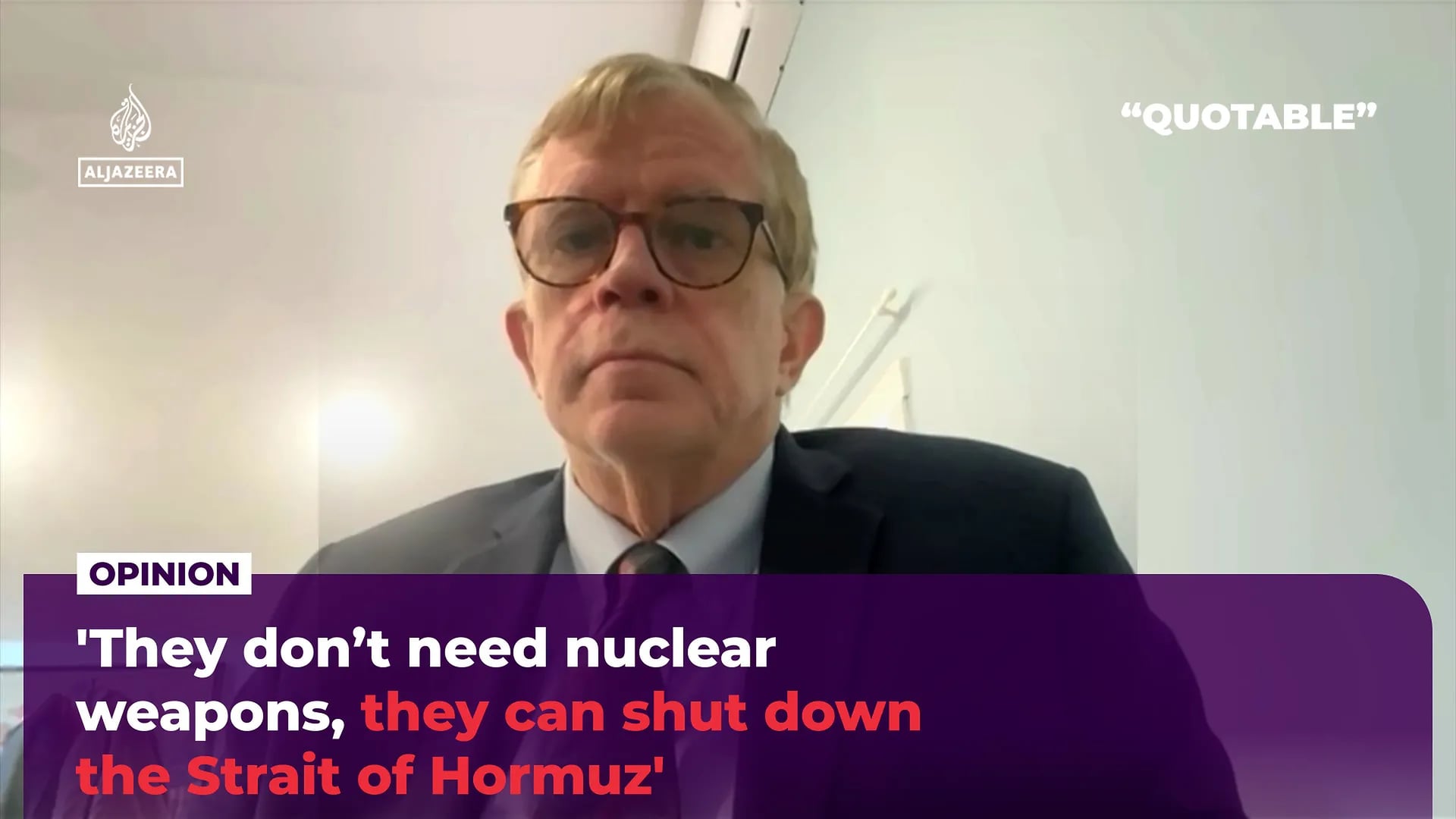
The Strait of Hormuz, a narrow passage connecting the Persian Gulf to the open ocean, exemplifies a critical chokepoint whose security directly influences global supply chains. Through this strait passes a significant portion of the world's oil and gas, but also countless cargo ships carrying everything from life-saving pharmaceuticals and medical equipment to textbooks, digital learning devices, and construction materials for schools. When geopolitical tensions escalate in such regions, the stability of these pathways becomes precarious, threatening the consistent and timely delivery of resources crucial for millions. The perception of such a chokepoint as a "deterrent," as some analysts suggest regarding its role for nations in the region, underscores its strategic importance, but also highlights its vulnerability to disruptions that extend far beyond military considerations.
Disruptions in these global supply chains translate directly into tangible setbacks for health initiatives. Imagine a shipment of vaccines delayed by weeks due to increased security risks or soaring insurance premiums for vessels traversing a volatile zone. For communities battling infectious diseases, such delays can mean the difference between widespread immunization and preventable outbreaks. Similarly, essential medicines for chronic conditions, surgical supplies, and even basic hygiene products can become scarce or prohibitively expensive. Healthcare systems in developing nations, often operating on thin margins and reliant on international aid, are particularly susceptible to these shocks, leading to exacerbated health crises and a reversal of hard-won progress in public health.
The impact on education is equally devastating. In an increasingly globalized world, access to quality education relies heavily on the flow of resources. Textbooks, stationery, laboratory equipment, and digital infrastructure components often travel vast distances to reach classrooms, especially in remote or underserved areas. Geopolitical instability can halt these deliveries, leaving schools without fundamental learning tools. Beyond physical supplies, the economic fallout from disrupted trade can divert national budgets away from education, leading to underfunded schools, unpaid teachers, and a decline in educational standards. For children and youth, this means lost learning opportunities, reduced prospects for future employment, and a perpetuation of cycles of poverty and disadvantage.
Furthermore, the threat of conflict or actual conflict stemming from geopolitical tensions in strategic areas leads to massive displacement of populations. Millions are forced to flee their homes, often losing access to both healthcare and education infrastructure. Refugee camps become overcrowded, straining limited medical resources and making it nearly impossible to provide consistent schooling. Children out of school for extended periods are at a higher risk of exploitation, child labor, and recruitment into armed groups, creating a lost generation whose potential is tragically unfulfilled. The psychological trauma of conflict also severely impacts learning abilities and mental health, requiring specialized support that is rarely available in crisis settings.
The concept of a "deterrent," often framed in military terms, takes on a different meaning when viewed through a humanitarian lens. The true deterrent against widespread health and education crises is not the ability to control a strategic waterway for military advantage, but rather the collective international commitment to ensuring its peaceful and unimpeded use for humanitarian and commercial purposes. Stability in these regions acts as a global public good, safeguarding the pathways through which aid, knowledge, and essential supplies flow. When this stability is compromised, the world's most vulnerable populations bear the heaviest burden, underscoring the interconnectedness of security, trade, and human welfare.
International cooperation and diplomatic engagement are paramount in mitigating these risks. Multilateral organizations, non-governmental foundations, and national governments must work in concert to de-escalate tensions, establish humanitarian corridors, and ensure the resilience of supply chains. Investing in local production capabilities for essential goods, diversifying trade routes, and building strategic stockpiles can offer some buffers against disruptions. However, these measures are ultimately secondary to the fundamental need for peaceful resolution of disputes and a shared understanding that global health and education are collective responsibilities that transcend national borders and political rivalries.
The long-term consequences of neglecting the humanitarian dimension of geopolitical stability are dire. A generation deprived of adequate health and education will struggle to contribute to economic growth, foster innovation, or build resilient societies. This creates a vicious cycle where instability breeds further underdevelopment, leading to renewed tensions and potential conflict. The vision of a world where every individual has the opportunity to thrive through good health and quality education becomes unattainable if the foundational elements of global peace and secure resource flow are not meticulously protected.
For organizations like the Nivaran Foundation, understanding these complex interdependencies is crucial. Our mission to advance global health and education requires not only direct programmatic interventions but also advocacy for policies that promote peace, secure supply chains, and protect humanitarian access. By highlighting the profound impact of geopolitical dynamics on human development, we aim to foster a greater appreciation for the interconnectedness of global challenges and the shared responsibility to address them holistically.
In conclusion, while the strategic importance of waterways like the Strait of Hormuz is often analyzed through the prism of national security and economic power, their fundamental role as conduits for global health and education resources cannot be overstated. The stability of these critical arteries is not merely a geopolitical concern; it is a humanitarian imperative. Ensuring their peaceful operation and safeguarding the flow of essential goods is a collective global responsibility, vital for nurturing human potential and building a more equitable and prosperous future for all. The world must recognize that true security for its citizens lies not in the control of chokepoints, but in the collaborative effort to keep them open and safe for the advancement of human well-being.
Support Nivaran Foundation's efforts to build resilient health and education systems in vulnerable communities worldwide.
Talk to Nivaran Global