
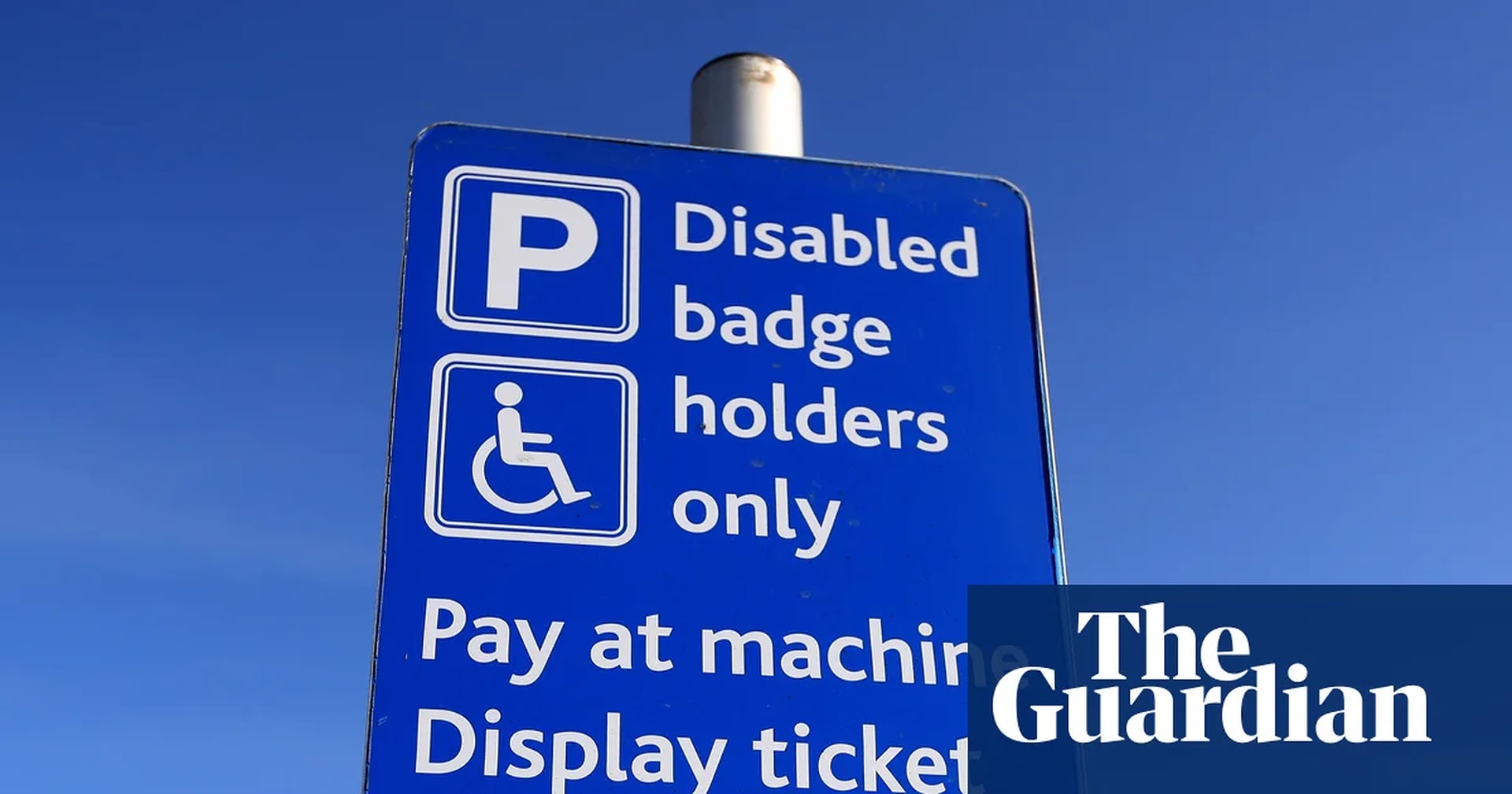
The global landscape of disability and accessibility is undergoing a profound transformation, marked by both increased recognition of diverse needs and the expansion of vital support systems. Across continents, nations are grappling with the complex task of ensuring equitable access and fostering inclusive environments for all their citizens. A recent development in England, where the proportion of adults holding blue badge parking permits — a crucial aid for individuals with disabilities and health conditions — has reached one in 15, serves as a poignant illustration of this evolving dynamic. While this rise reflects an encouraging trend towards greater awareness and provision of support, it simultaneously brings into sharp focus the universal challenges associated with managing such programs, particularly concerning their integrity and prevention of misuse.
Disability support programs, whether they manifest as accessible parking permits, mobility aids, educational accommodations, or healthcare subsidies, are fundamental pillars of an inclusive society. They are designed to mitigate barriers, enhance independence, and enable individuals with disabilities to participate fully in economic, social, and cultural life. The growing demand for these provisions globally can be attributed to several interconnected factors. An aging global population naturally leads to an increase in age-related disabilities and health conditions. Furthermore, advancements in medical science and diagnostic capabilities mean that more conditions, including invisible disabilities, are being identified and recognized, leading to a greater number of individuals seeking formal support. Concurrently, there is a heightened societal awareness and advocacy for disability rights, pushing governments and communities worldwide to implement and expand policies that uphold these rights.
However, the expansion of these essential programs, while laudable, is not without its complexities. A significant concern that resonates across many nations is the potential for misuse and fraudulent activity. The integrity of any social welfare or support system is paramount, as its erosion can undermine public trust, divert resources from genuine beneficiaries, and ultimately jeopardize the program's long-term sustainability. Misuse can take various forms, from individuals using legitimate permits belonging to others, to the fabrication of counterfeit documents, or even making fraudulent claims of eligibility. Such actions not only constitute a breach of legal and ethical standards but also inflict tangible harm on the very population these programs are designed to serve.
When resources intended for people with genuine needs are diverted or exploited, the consequences are far-reaching. It can lead to a scarcity of available services, increased scrutiny and suspicion towards all beneficiaries, and a potential backlash that could threaten the existence or funding of these vital programs. For instance, in an urban setting, the misuse of accessible parking spaces means that individuals with mobility challenges may struggle to find suitable parking, leading to delays, frustration, and even preventing them from accessing essential services, employment, or social activities. This ripple effect undermines the very purpose of accessibility provisions, creating new barriers where none should exist.
The challenge of combating misuse is multifaceted, requiring a comprehensive approach that balances enforcement with empathy. Many jurisdictions worldwide struggle with adequate resources for monitoring and enforcement. Detecting fraudulent claims or the improper use of permits often requires dedicated personnel, sophisticated verification systems, and cross-agency collaboration. The sheer volume of applications and permits, coupled with the varying nature of disabilities – some visible, others not – makes the task inherently complex. Moreover, legal frameworks and penalties for misuse differ significantly across countries, leading to inconsistencies in how such offenses are addressed.
To safeguard the integrity of these crucial programs, a multi-pronged strategy is imperative. One key area of focus is the enhancement of verification and issuance processes. Leveraging digital technologies, such as secure online application portals, biometric identification, and blockchain-based verification systems, can significantly reduce opportunities for fraud. Digital badges or permits linked to a secure database, for example, can make it harder to counterfeit and easier for enforcement officers to verify legitimacy in real-time. Such systems, while requiring initial investment, offer long-term benefits in terms of efficiency, security, and data accuracy.
Alongside technological solutions, robust public awareness campaigns play a critical role. Educating the general public about the purpose and importance of disability support programs, and the detrimental impact of misuse, can foster a culture of respect and vigilance. These campaigns can highlight real-life stories of individuals who rely on these provisions, thereby building empathy and discouraging illicit behavior. Furthermore, clear communication about the penalties for misuse can act as a deterrent, reinforcing the seriousness of the offense.
Effective enforcement also necessitates stronger collaboration between various stakeholders. This includes local authorities, law enforcement agencies, healthcare providers, and disability advocacy organizations. Sharing information, coordinating investigations, and developing standardized protocols for addressing misuse can create a more cohesive and effective response. International cooperation can also facilitate the exchange of best practices, allowing nations to learn from each other's successes and challenges in managing disability support systems. As global travel increases, ensuring the recognition and integrity of accessible permits across borders also becomes an increasingly relevant consideration.
Ultimately, the goal is to strike a delicate balance: making essential support programs easily accessible to those who genuinely need them, while simultaneously implementing robust measures to prevent fraud and misuse. This balance is crucial for maintaining public confidence, ensuring the equitable distribution of resources, and upholding the fundamental rights of individuals with disabilities. The rising numbers of individuals benefiting from these programs globally are a testament to progress, but they also serve as a powerful reminder of the ongoing responsibility to protect the systems that enable greater inclusion and dignity for all.
Nivaran Foundation believes that fostering truly inclusive societies requires not only the provision of support but also the unwavering commitment to its ethical and effective management. As the global community continues to advance towards a future where disability is understood as a dimension of human diversity, rather than a limitation, the integrity of these support systems will remain a cornerstone of collective progress in health, education, and human rights. The challenges highlighted by the experience in England are not isolated; they are universal calls to action for governments, civil society, and individuals worldwide to champion the cause of accessibility with both compassion and unwavering integrity.
Support Nivaran Foundation's global initiatives advocating for equitable access and robust health and education systems for all.
Talk to Nivaran Global