
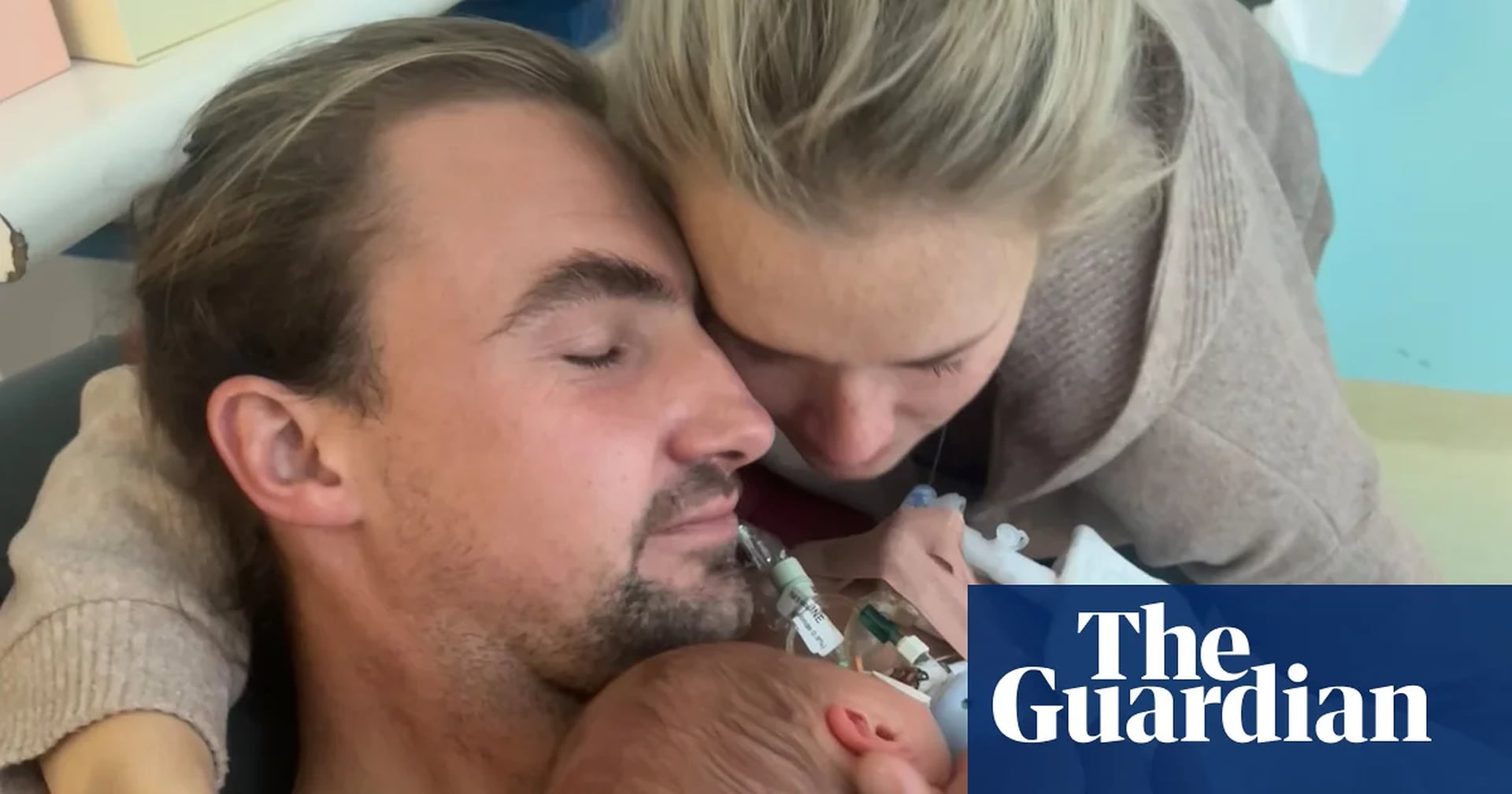
The tragic death of a seven-day-old infant following complications during a home birth, which a recent inquest determined was encouraged by medical professionals despite being medically inadvisable, has sent ripples of concern through global healthcare communities. This incident, while specific to a particular region, casts a stark light on universal challenges in maternal care, patient safety, and the critical importance of transparent, evidence-based medical advice.
The inquest's findings pointed to a profound failure by the healthcare trust to adequately warn the mother of the inherent risks associated with an 'unsafe' home birth. This revelation is not merely an isolated case of medical oversight; it represents a systemic vulnerability that could potentially exist in healthcare systems across the globe. The core issue revolves around the integrity of informed consent, the clarity of risk communication, and the ultimate accountability of healthcare institutions in safeguarding the lives of both mothers and their newborns.
Childbirth, while a natural process, carries inherent complexities and potential risks that necessitate careful medical oversight. For expectant parents, the decision regarding birth location and method is deeply personal, often influenced by a desire for a more natural or comfortable experience. However, this desire must always be balanced with comprehensive medical assessment and clear, unbiased guidance from healthcare providers. When medical professionals encourage a birth plan that contradicts established safety guidelines or fails to adequately inform parents of heightened risks, the foundational trust between patient and provider is fundamentally breached, with potentially devastating consequences.
Globally, the debate surrounding home births versus hospital births is ongoing. Proponents often cite a more personalized, less medicalized experience, while opponents emphasize the immediate access to emergency interventions available in hospital settings. The critical differentiator, however, is not the location itself, but the rigorous assessment of risk and the provision of appropriate care. For low-risk pregnancies, carefully managed home births can be a safe option in systems with robust support structures, including rapid transfer protocols to hospitals if complications arise. The danger emerges when these assessments are flawed, when risks are downplayed, or when institutional pressures, perhaps related to resource allocation or philosophical leanings, overshadow clinical judgment and patient safety.
This incident underscores the paramount importance of robust patient safety protocols within all healthcare systems. Every institution tasked with maternal care has an ethical and professional obligation to ensure that its guidelines are evidence-based, its staff are adequately trained, and its communication with patients is unequivocally clear and comprehensive. This includes providing detailed information on all potential risks and benefits of various birth options, ensuring that patients fully comprehend the implications of their choices, and never encouraging a course of action that is medically deemed unsafe for their specific circumstances. A lapse in any of these areas can lead to preventable tragedies, eroding public confidence in the very systems designed to protect them.
Furthermore, the concept of accountability extends beyond individual practitioners to the overarching healthcare trust or governing body. It is their responsibility to establish and enforce policies that prioritize patient well-being, to conduct thorough investigations into adverse events, and to implement corrective measures to prevent recurrence. When a coroner finds that a healthcare trust 'failed' a mother, it signals a systemic breakdown that demands immediate and comprehensive review, not just locally, but as a cautionary tale for similar institutions worldwide. Such failures can stem from inadequate training, insufficient staffing, poor communication channels between different departments, or a culture that does not sufficiently empower staff to challenge potentially unsafe practices.
Informed consent is not merely a signature on a form; it is an ongoing dialogue built on trust, transparency, and mutual understanding. For medical decisions as significant as childbirth, expectant parents must be presented with all relevant information in an accessible and understandable manner, free from coercion or undue influence. This includes a clear articulation of the risks associated with deviations from standard medical advice, especially when a pregnancy presents with specific complications that elevate the risk profile. The absence of such clear warnings, as highlighted in this case, represents a profound ethical and professional failing that can have irreversible consequences.
The global implications of such incidents are far-reaching. In many parts of the world, particularly in low-resource settings, maternal and infant mortality rates remain tragically high. While the immediate context of this case is in a high-income country with advanced medical infrastructure, the underlying principles of patient safety, informed consent, and institutional accountability are universally applicable. Lessons learned from such tragedies in developed nations can and should inform best practices and policy reforms in all healthcare environments. It reinforces the need for standardized global guidelines for maternal care, continuous professional development for midwives and obstetricians, and robust audit and review processes for all adverse maternal and infant outcomes.
Preventative measures must be multifaceted. They include investing in comprehensive training for all healthcare professionals involved in maternal care, emphasizing not just clinical skills but also communication and ethical considerations. Healthcare systems must foster a culture where safety is paramount, where reporting of concerns is encouraged, and where learning from mistakes is prioritized over blame. Regular audits of birth outcomes, patient feedback mechanisms, and independent oversight bodies can all contribute to creating a safer environment for childbirth. Moreover, empowering expectant parents through accessible, unbiased educational resources can help them make truly informed decisions, ensuring they understand their rights and the medical implications of their choices.
This heartbreaking incident serves as a poignant reminder that even in advanced healthcare systems, vigilance is perpetually required to protect the most vulnerable. It calls for a global re-evaluation of how medical advice is delivered, how risks are communicated, and how accountability is upheld. Every expectant parent, regardless of their location or socioeconomic status, deserves access to safe, respectful, and evidence-based maternal care. The global community must unite to ensure that such preventable tragedies become a relic of the past, reinforcing the fundamental right to health and safety for every mother and child.
The Nivaran Foundation urges healthcare providers, policymakers, and international health organizations to critically examine their protocols and practices in light of such findings. The goal must be to cultivate environments where patient safety is non-negotiable, where informed consent is truly honored, and where every birth is a journey supported by the highest standards of care and ethical responsibility. Only through concerted global efforts can we hope to prevent similar heart-wrenching losses and build a future where every child has the safest possible start to life.
Support Nivaran Foundation's efforts to advocate for safer healthcare practices and maternal well-being globally.
Talk to Nivaran Global