
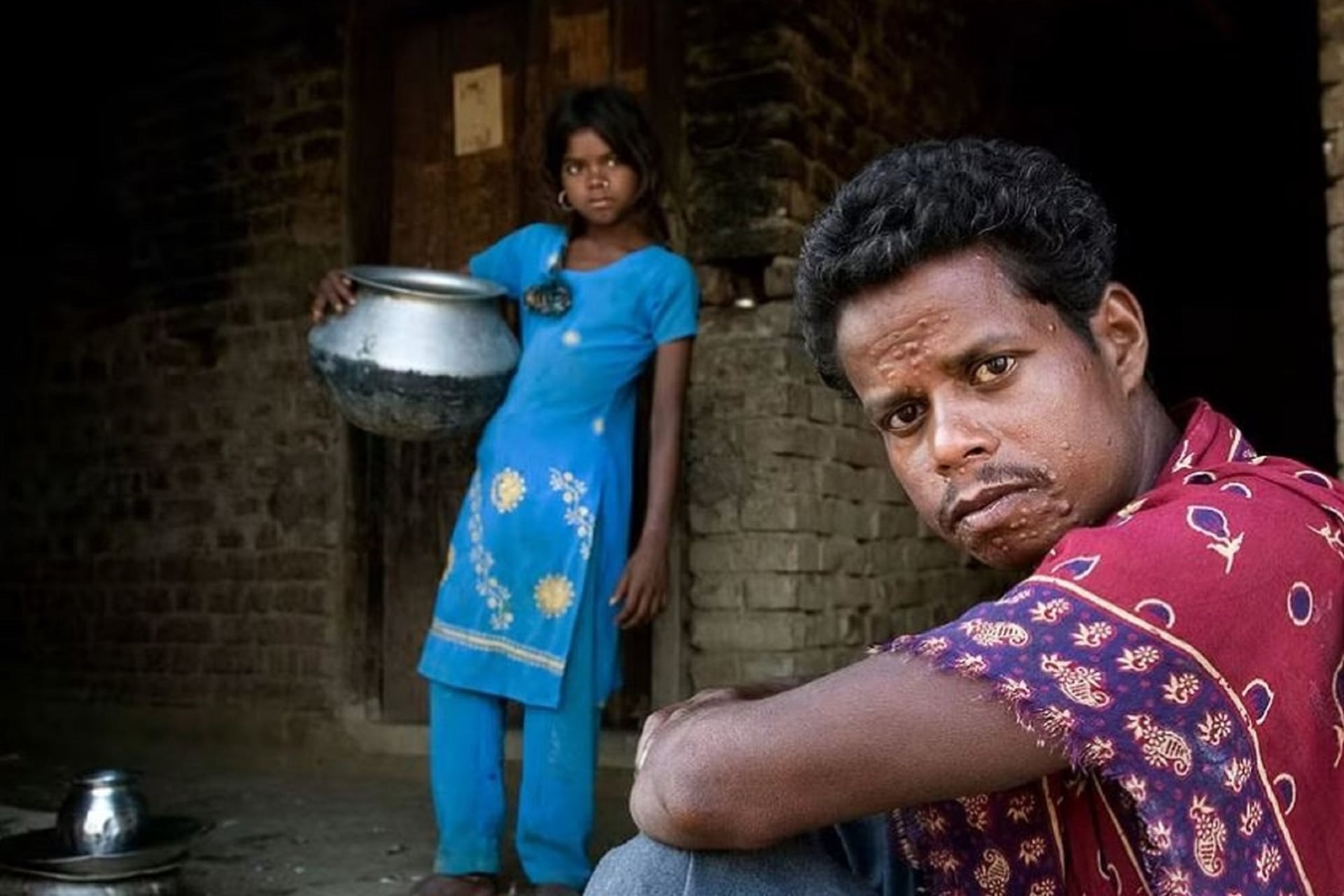
The World Health Organization (WHO) recently cast a stark light on the profound, often unseen suffering endured by millions globally who live with neglected tropical diseases (NTDs). Marking World Neglected Tropical Diseases Day, the international health body issued a compelling warning: beyond the physical ravages of these illnesses, a pervasive shadow of discrimination, social stigma, and untreated mental health conditions significantly diminishes the lives of affected individuals. Under the resonant banner of "Unite. Act. Eliminate.", the WHO, alongside its global partners, has launched an urgent appeal to governments worldwide, advocating for the critical integration of mental health care into broader NTD elimination strategies. This call is a powerful affirmation of the commitment to ensure that no individual is left behind, grappling with pain or isolation, as the world strives towards a healthier future.
Neglected tropical diseases constitute a diverse group of 20 conditions primarily prevalent in tropical and subtropical regions, disproportionately affecting the world's poorest and most marginalized communities. These diseases—ranging from leprosy, lymphatic filariasis, and trachoma to Chagas disease and dengue—cause debilitating illness, disfigurement, and long-term disability. While often overlooked by global health agendas due to their concentration in low-income settings, their collective burden on human health and socio-economic development is immense. They perpetuate cycles of poverty, impede educational attainment, and hinder productivity, trapping individuals and entire communities in a vicious cycle of illness and deprivation. The very term "neglected" underscores a historical lack of attention and resources, a systemic oversight that has profound implications for those living with these conditions.
The physical manifestations of many NTDs are often visible, leading to a unique and deeply damaging form of social stigma. Individuals with conditions like leprosy, lymphatic filariasis (elephantiasis), or severe skin lesions from yaws frequently face ostracization from their communities, families, and even their own homes. This discrimination can manifest in myriad ways: children are denied access to education, adults are excluded from employment opportunities, and individuals are deemed unsuitable for marriage or social gatherings. Such social exclusion is not merely an inconvenience; it strips individuals of their dignity, erodes their self-worth, and severs vital social connections, leading to profound psychological distress. The fear of contagion, often rooted in misinformation and superstition, further entrenches these discriminatory practices, creating an environment of fear and misunderstanding that isolates those who are already vulnerable.
This pervasive social stigma is inextricably linked to a silent but devastating mental health crisis among people living with NTDs. The constant burden of illness, coupled with the relentless experience of discrimination and social isolation, takes a severe toll on psychological well-being. Studies and anecdotal evidence from affected communities reveal high rates of depression, anxiety, post-traumatic stress, and even suicidal ideation among individuals with NTDs. The feeling of being "unclean" or "cursed" can internalize, leading to self-stigma and a reluctance to seek help, whether for the physical disease or for mental health challenges. Furthermore, access to mental health services in the very regions where NTDs are endemic is often severely limited, if not entirely absent. Health systems are typically geared towards acute physical care, with little to no provision for psychological support, leaving millions to suffer in silence, their mental anguish unseen and unaddressed.
The WHO's "Unite. Act. Eliminate." theme serves as a comprehensive framework for addressing this multifaceted challenge. "Unite" emphasizes the critical importance of collective action and solidarity. It calls for communities themselves to come together, challenging discriminatory norms and fostering environments of acceptance and support. It also highlights the necessity of multi-sectoral collaboration, bringing together health ministries, education departments, social welfare agencies, and community leaders to create integrated solutions. Breaking down the silos that often characterize public health interventions is essential to tackle the complex interplay of disease, poverty, and social exclusion.
"Act" demands concrete, implementable strategies and policies. This includes allocating adequate resources for NTD control and elimination programs, strengthening health systems to deliver comprehensive care, and enacting legislation that protects the rights of affected individuals and prohibits discrimination. Crucially, "Act" also means actively integrating mental health services into existing NTD programs. This could involve training frontline health workers to identify and provide basic psychological first aid, establishing community-based support groups, and ensuring referrals to specialized mental health professionals where available. It is about moving beyond a purely biomedical approach to embrace a holistic model of care that recognizes the inseparable link between physical and mental well-being.
Finally, "Eliminate" extends beyond the eradication of the diseases themselves to encompass the elimination of the suffering, stigma, and barriers to care that define the experience of living with NTDs. It is a vision of a world where individuals are not only free from the physical burden of these illnesses but also from the psychological scars of discrimination and isolation. This ambitious goal requires sustained political will, innovative partnerships, and a fundamental shift in societal attitudes towards those affected. It is a commitment to human dignity and health equity, ensuring that the progress made in disease control is matched by advancements in social inclusion and mental well-being.
Integrating mental health care into NTD programs presents both challenges and immense opportunities. The primary obstacles include limited funding, a severe shortage of trained mental health professionals in endemic regions, and the pervasive stigma surrounding mental illness itself. Overcoming these will require innovative approaches, such as task-shifting where community health workers are trained to deliver basic mental health interventions, leveraging digital health solutions, and investing in public awareness campaigns to destigmatize both NTDs and mental health conditions. The opportunity, however, is to transform lives not just by curing disease but by restoring hope, dignity, and a sense of belonging. A holistic approach can empower individuals, strengthen communities, and contribute to broader sustainable development goals.
The global community has a shared responsibility to address the plight of those affected by neglected tropical diseases. Governments must prioritize these issues in national health agendas, allocating sufficient resources and implementing policies that protect vulnerable populations. International organizations and NGOs play a vital role in providing technical expertise, financial support, and advocating for policy change. Crucially, local communities themselves are at the heart of any successful intervention, serving as agents of change in challenging stigma and building supportive networks. By fostering an environment of empathy and understanding, and by providing comprehensive care that addresses both physical and mental health needs, the world can move closer to achieving true health equity.
In conclusion, the WHO's urgent call on World NTD Day serves as a powerful reminder that global health efforts must extend beyond mere disease control to encompass the full spectrum of human suffering. The millions living with neglected tropical diseases deserve not only effective treatments but also freedom from the profound discrimination and mental anguish that often accompany their conditions. By uniting global efforts, acting decisively to integrate mental health care, and committing to eliminate both disease and its associated stigma, the international community can forge a path towards a future where dignity, well-being, and comprehensive care are universal rights for all, leaving no one in the shadows of neglect and isolation.
Your support helps Nivaran Foundation champion integrated health solutions and advocate for dignity for all those affected by neglected tropical diseases worldwide.
Talk to Nivaran Global