
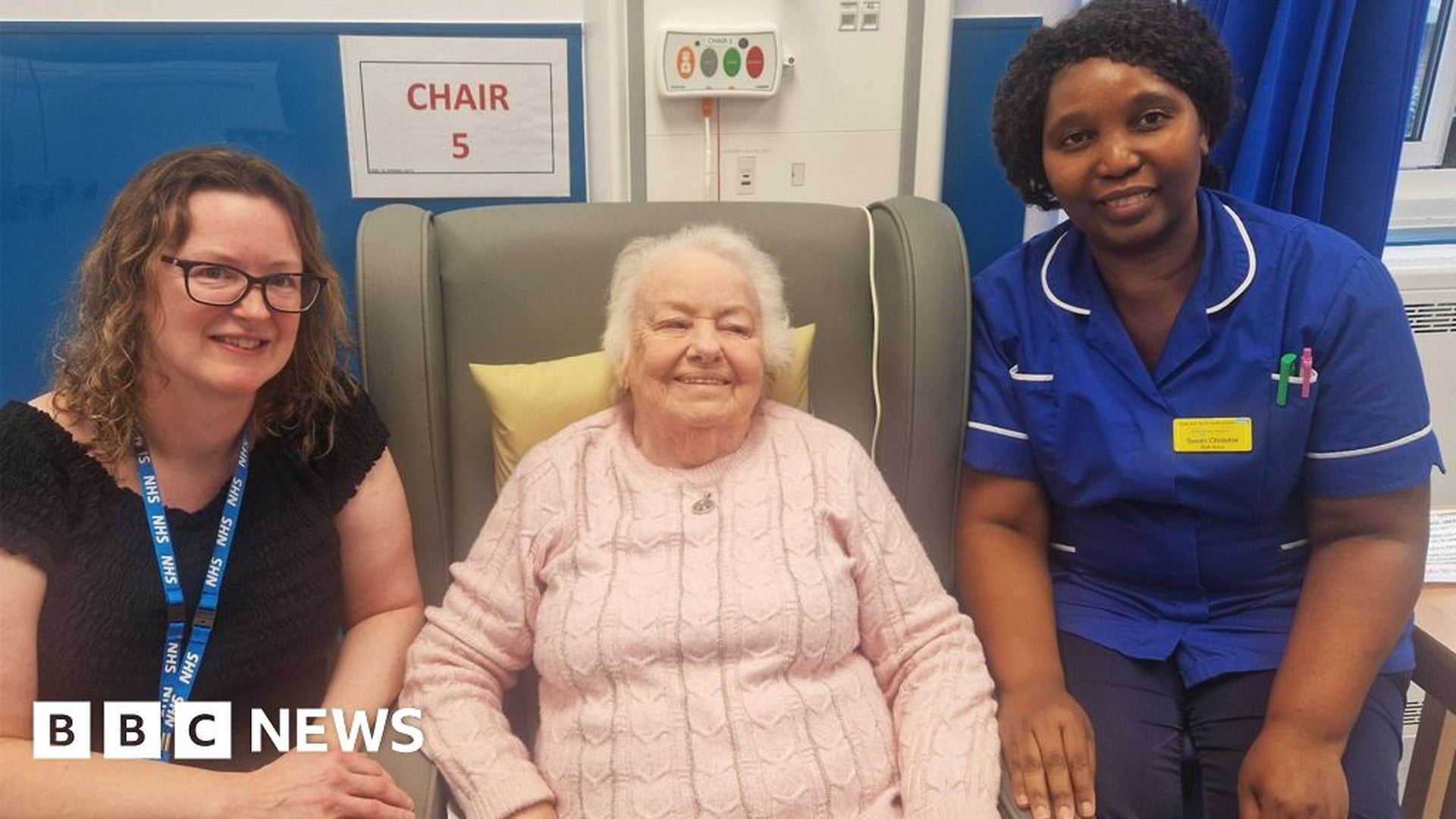
The global landscape of cancer treatment is poised for a significant transformation with the introduction of a novel injectable immunotherapy that promises to drastically reduce the time patients spend in hospital. This groundbreaking development, initially gaining traction in advanced healthcare systems like the UK's National Health Service, heralds a new era of more efficient, patient-centric cancer care, with profound implications for healthcare providers and patients across the globe. Instead of prolonged intravenous infusions that can tether individuals to clinics for several hours, this innovative method allows for the administration of vital medication in a matter of minutes, freeing up valuable time for both patients and medical facilities.
This paradigm shift centers on a subcutaneous formulation of a widely used immunotherapy drug. Traditionally, such powerful treatments are delivered intravenously, requiring patients to spend anywhere from 30 minutes to an hour for the infusion itself, often preceded and followed by observation periods, preparation, and travel, accumulating to several hours per visit. The new injectable version, however, can be administered in approximately seven minutes, a remarkable reduction that not only enhances patient convenience but also significantly streamlines clinical operations. Thousands of patients are expected to benefit from this accelerated delivery method, marking a pivotal moment in the ongoing battle against various forms of cancer.
For patients, the advantages extend far beyond mere time-saving. Living with a cancer diagnosis is inherently challenging, often compounded by the physical and emotional toll of treatment regimens. Frequent, lengthy hospital visits can disrupt daily life, impacting work, family commitments, and overall well-being. The ability to receive critical treatment in such a short timeframe offers an unprecedented level of flexibility and normalcy. It reduces the logistical burden of hospital travel, minimizes exposure to hospital environments, and allows individuals to reclaim precious hours, fostering a greater sense of autonomy and improving their quality of life during an arduous journey. This shift empowers patients, enabling them to maintain more control over their schedules and focus on recovery and personal pursuits rather than the demanding logistics of their medical care.
From the perspective of healthcare systems worldwide, the introduction of this rapid injectable therapy presents an opportunity for substantial operational efficiencies. Hospitals and clinics are perpetually under pressure to manage resources effectively, balance patient demand with limited staff and infrastructure, and reduce waiting times. By dramatically shortening the administration time for a key cancer treatment, healthcare providers can free up infusion chairs, reduce the workload on nursing staff, and potentially accommodate more patients within existing facilities. This increased throughput can alleviate bottlenecks, improve access to care, and optimize the utilization of valuable medical resources, which is particularly crucial in regions facing high patient volumes or resource constraints. The economic implications are also noteworthy; while the drug itself remains a significant investment, the reduced chair time and associated operational costs could lead to overall savings for health systems in the long run.
Immunotherapy represents one of the most significant breakthroughs in cancer treatment in recent decades. Unlike traditional chemotherapy, which broadly targets rapidly dividing cells (both cancerous and healthy), immunotherapy harnesses the body's own immune system to identify and destroy cancer cells. These drugs, often monoclonal antibodies, work by blocking specific proteins that cancer cells use to evade immune detection, thereby "unleashing" the immune system to attack the malignancy. The efficacy of these treatments has revolutionized outcomes for various cancers, including melanoma, lung cancer, and kidney cancer. The innovation here isn't in the drug's mechanism of action, but in its delivery method, making an already powerful treatment more accessible and less burdensome. This evolution underscores a broader trend in oncology towards not only more effective treatments but also more humane and practical ways of delivering them.
The global implications of this development are vast. While initially implemented in high-income countries, the potential for widespread adoption of such efficient delivery methods could be transformative for healthcare systems across all economic spectrums. In low- and middle-income countries, where healthcare infrastructure may be limited and patient travel distances often significant, a rapid, less resource-intensive treatment option could dramatically improve access to life-saving care. However, challenges remain. Regulatory bodies in different nations will need to evaluate and approve the new formulation, and healthcare professionals will require training in its administration. Furthermore, the cost of advanced immunotherapy drugs continues to be a barrier in many parts of the world, necessitating discussions around equitable pricing and sustainable funding models to ensure that these innovations reach all who could benefit, not just those in affluent regions.
This advancement also highlights the continuous evolution of pharmaceutical science and medical practice. Researchers are constantly seeking ways to improve drug efficacy, reduce side effects, and enhance the patient experience. The move towards subcutaneous injections for complex biological drugs is a testament to this ongoing innovation, reflecting a deeper understanding of drug formulation and delivery mechanisms. It paves the way for similar advancements in other areas of medicine, potentially transforming how chronic diseases are managed and how patients interact with their healthcare providers. The focus is shifting towards treatments that are not only effective but also integrate seamlessly into a patient's life, minimizing disruption and maximizing well-being.
Looking ahead, the future of cancer care is likely to be characterized by even greater personalization and convenience. Advances in diagnostics, genetic sequencing, and targeted therapies are leading to treatments tailored to an individual's specific cancer profile. Coupled with innovations in drug delivery, such as this rapid injectable immunotherapy, the trajectory is towards highly effective, less invasive, and more patient-friendly interventions. This holistic approach to cancer management, which considers not just the eradication of disease but also the patient's overall quality of life, represents a profound step forward. It offers a beacon of hope, promising a future where cancer treatment is not only more successful but also less daunting and disruptive for those undergoing it.
In conclusion, the advent of rapid injectable immunotherapy marks a significant milestone in global health. By dramatically shortening treatment times and easing the burden on both patients and healthcare systems, it exemplifies how innovative drug delivery can amplify the impact of cutting-edge therapies. As this approach gains wider acceptance and implementation, it holds the potential to redefine the patient experience in oncology, making life-saving treatments more accessible, efficient, and integrated into the lives of individuals worldwide. This is a testament to the relentless pursuit of better health outcomes and a more compassionate approach to medical care on a global scale.
Support Nivaran Foundation's mission to bring equitable healthcare innovations to communities worldwide, ensuring everyone has access to life-changing treatments.
Talk to Nivaran Global