
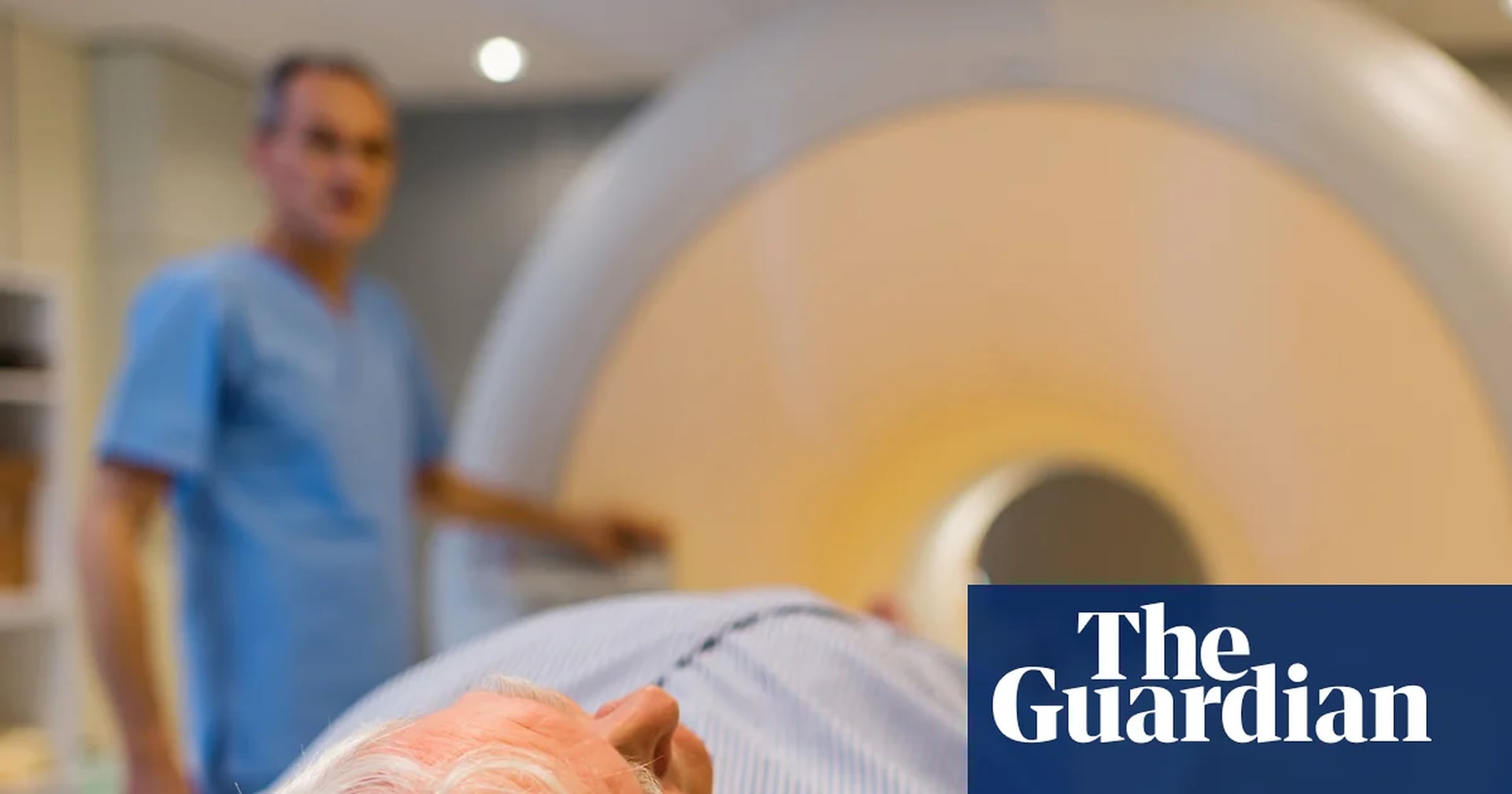
The global healthcare landscape is on the precipice of an unprecedented crisis, with experts sounding a stark warning about a looming cancer workforce deficit that threatens to overwhelm medical systems worldwide. A recent report, presented at a prominent international oncology conference, projects a staggering shortfall of 100 million healthcare professionals by the year 2050. This alarming forecast comes as approximately 100,000 individuals are diagnosed with cancer daily, a relentless surge that, coupled with the projected staffing crisis, could plunge global health infrastructure into disarray. The implications are profound, suggesting a future where patients face significantly prolonged wait times for critical diagnoses and life-saving treatments, fundamentally compromising the quality and accessibility of cancer care across the globe.
This impending crisis is not merely a numbers game; it represents a profound threat to human well-being and global health equity. The projected 100 million staff deficit encompasses a wide array of healthcare roles, from highly specialized oncologists and surgeons to nurses, radiologists, pathologists, and crucial support staff who form the backbone of cancer care pathways. As the global burden of disease continues its upward trajectory, driven by demographic shifts and evolving lifestyle factors, the demand for these professionals will only intensify. Without a robust and adequately staffed workforce, healthcare systems, particularly in regions already struggling with limited resources, will be stretched beyond their breaking point, potentially leading to preventable suffering and increased mortality rates. The human cost of delayed diagnosis, suboptimal treatment, and inadequate palliative care cannot be overstated, impacting not only individual patients but also their families and communities.
The strain on existing healthcare professionals is already palpable, with reports of burnout, moral injury, and an exodus from the profession becoming increasingly common. The prospect of an even greater workload without commensurate support or staffing will inevitably exacerbate these issues, creating a vicious cycle where the remaining workforce becomes even more depleted. This environment is unsustainable and detrimental to both the physical and mental health of those dedicated to patient care. The quality of care itself is intrinsically linked to the well-being and capacity of the providers; a fatigued and overwhelmed workforce is less able to deliver the meticulous, compassionate, and complex care that cancer patients require.
Several interwoven factors contribute to this impending catastrophe. Demographically, the world is experiencing an unprecedented aging trend. As populations live longer, the incidence of age-related diseases, including many forms of cancer, naturally increases. This demographic shift alone places immense pressure on healthcare systems designed for younger populations. Furthermore, evolving global lifestyles, characterized by factors such as urbanization, dietary changes, reduced physical activity, and environmental pollutants, are contributing to a rising prevalence of various cancers, adding further layers to the demand for specialized care. These epidemiological shifts mean that the sheer volume of cancer cases is growing at a rate that current workforce development strategies are simply not equipped to handle.
Beyond the rising demand, systemic issues in healthcare workforce planning and distribution exacerbate the problem. There is a significant and persistent maldistribution of healthcare professionals globally, with lower-income countries often facing the most severe shortages. The phenomenon of "brain drain," where highly trained medical personnel migrate from resource-limited settings to wealthier nations in search of better opportunities and working conditions, further depletes already fragile health systems. Compounding this is the often-inadequate investment in medical education and training infrastructure. The pipeline for producing new oncologists, specialized nurses, and other essential cancer care providers is simply too narrow and slow to meet the projected future demand, leading to a critical gap between the number of professionals needed and those available.
The economic ramifications of such a widespread healthcare crisis are equally alarming. Cancer is not only a devastating personal illness but also a significant economic burden. The loss of productivity due to illness, premature death, and the need for caregivers can cripple national economies. Healthcare expenditures related to cancer diagnosis, treatment, and long-term care already consume substantial portions of national budgets, and these costs are set to skyrocket in the face of a workforce shortage that drives up demand for scarce resources. For individual families, a cancer diagnosis can lead to catastrophic financial hardship, pushing millions into poverty, especially in regions without robust social safety nets or universal health coverage. The societal cost extends to reduced social cohesion and increased inequality as access to life-saving care becomes a privilege rather than a right.
While technological advancements in cancer diagnosis and treatment, such as artificial intelligence in imaging and precision medicine, offer promising avenues for improved outcomes, they also present a paradox in the context of a workforce crisis. These sophisticated tools require highly skilled professionals to operate, interpret, and integrate them into clinical practice. Continuous training and upskilling are essential to leverage these innovations effectively. If the workforce is already struggling with basic capacity, the adoption and optimal utilization of advanced technologies will be severely hampered, potentially widening the gap between what is technologically possible and what is practically deliverable to patients. The promise of technology can only be fully realized with a competent and sufficient human workforce.
The equity challenge inherent in this crisis cannot be overlooked. The projected workforce shortfall will disproportionately impact vulnerable populations and regions that already contend with fragile healthcare infrastructures, limited access to essential medicines, and a high burden of disease. This includes many low- and middle-income countries, as well as marginalized communities within wealthier nations. The crisis threatens to exacerbate existing global health disparities, creating a two-tiered system where access to timely, high-quality cancer care becomes increasingly dependent on geographic location and socioeconomic status. Addressing this requires a concerted effort to build resilient and equitable health systems that can withstand future shocks and ensure universal access to care.
Addressing this multifaceted crisis demands immediate, coordinated, and sustained global action. A primary focus must be on massive, strategic investment in healthcare workforce development. This includes expanding medical education and training programs, establishing new oncology specialties, and increasing the capacity of nursing and allied health schools. These efforts must be tailored to regional needs, ensuring that training is relevant and accessible, particularly in underserved areas. Furthermore, innovative educational models, including distance learning and simulation-based training, could help accelerate the development of a skilled workforce.
Beyond training, robust strategies for workforce retention are paramount. This involves improving working conditions, ensuring fair compensation and benefits, and providing comprehensive professional development opportunities. Creating supportive work environments that prioritize the mental health and well-being of healthcare professionals is crucial to prevent burnout and encourage long-term commitment to the profession. Policies that incentivize healthcare workers to serve in underserved regions, such as scholarships tied to service commitments or enhanced career progression pathways, can also help address geographical maldistribution.
Innovative models of care delivery must also be explored and scaled. Task-shifting, where certain responsibilities are delegated to appropriately trained allied health professionals, can optimize the use of highly specialized staff. Multidisciplinary team approaches, leveraging the expertise of various professionals, can enhance efficiency and patient outcomes. Community health workers can play a vital role in early detection, patient navigation, and follow-up care, extending the reach of formal healthcare systems into communities. Leveraging digital health solutions for telemedicine, remote monitoring, and patient education can also alleviate some pressure on physical infrastructure and personnel, provided there is adequate digital literacy and infrastructure.
Crucially, this crisis necessitates strong global collaboration and robust national health policies. International cooperation can facilitate the sharing of best practices, resources, and expertise, particularly between high-income and low-income countries. National governments must prioritize long-term workforce planning, allocate sustainable funding for health education and infrastructure, and implement policies that support the ethical recruitment and retention of healthcare professionals. Integrating cancer care into primary healthcare systems, where appropriate, can also improve early detection and management, reducing the burden on specialized oncology centers.
Finally, while the focus is often on treatment, the critical role of prevention cannot be overstated. Investing in public health initiatives aimed at reducing cancer incidence through lifestyle modifications, vaccination programs (e.g., HPV, Hepatitis B), and environmental regulations can significantly lessen the future burden on treatment-focused healthcare systems. Early detection programs, such as screening for common cancers, are also vital to catch diseases at a more treatable stage, thereby reducing the intensity and duration of required interventions. A holistic approach that integrates prevention, early detection, and robust treatment capacity is the only sustainable path forward.
The warning from leading oncology forums is unequivocal: the world stands at a critical juncture. The projected cancer workforce crisis is not a distant threat but an imminent challenge demanding immediate, decisive, and collective action. Failure to address this looming shortfall will not only compromise the health and well-being of millions but also undermine decades of progress in global health. Proactive investment, innovative strategies, and unwavering political will are essential to avert this catastrophe and ensure that future generations have access to the quality cancer care they deserve.
Support Nivaran Foundation's initiatives to strengthen global health systems and advocate for equitable healthcare access worldwide.
Talk to Nivaran Global