
The global landscape of child health is riddled with disparities, and a recent study emanating from the University of California, Irvine's EyeMobile program casts a stark light on one such critical area: pediatric vision care. The research, published in a leading scientific journal, reveals a compelling and concerning association between area deprivation, social vulnerability, and significantly poorer outcomes in pediatric vision screening. While the study's immediate context is regional, its implications resonate profoundly across the globe, highlighting systemic barriers that prevent millions of children from accessing and benefiting from essential eye health services.
Vision impairment in children is a profound global health challenge, affecting millions and often leading to lifelong consequences if not detected and treated early. Uncorrected refractive errors, amblyopia, and other ocular conditions can severely impede a child's educational attainment, social development, and overall quality of life. Early and consistent vision screening is therefore paramount, acting as the first line of defense against preventable blindness and developmental delays. However, as this new research underscores, the efficacy of even well-intentioned screening programs can be undermined by the pervasive influence of socioeconomic factors.
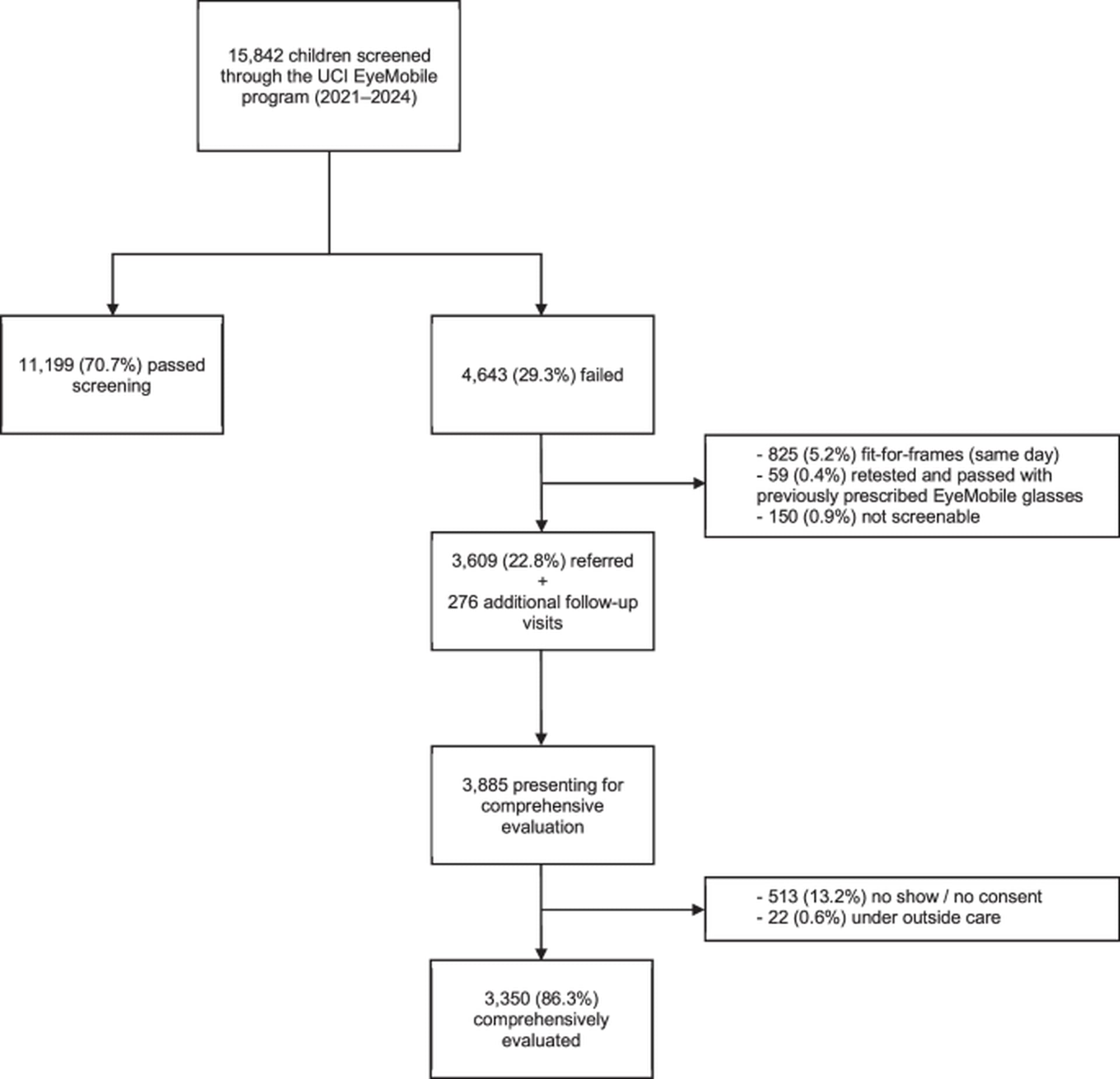
The UC Irvine EyeMobile study meticulously analyzed data from its outreach efforts, which aim to bring vision care directly to underserved communities. The core finding was unequivocal: children residing in areas characterized by higher levels of deprivation and social vulnerability consistently exhibited poorer vision screening outcomes. This wasn't merely about initial access to a screening event; it encompassed the entire pathway from detection to successful follow-up and intervention. Children from these vulnerable backgrounds were more likely to fail initial screenings and, crucially, less likely to complete the necessary follow-up appointments or receive prescribed corrective measures, such as glasses.
To fully grasp the gravity of these findings, it is essential to understand what constitutes 'area deprivation' and 'social vulnerability.' These are multifaceted constructs that extend far beyond simple income levels. Area deprivation encompasses a range of socioeconomic indicators within a geographical region, including low median household income, high unemployment rates, limited educational attainment among adults, inadequate housing quality, and lack of access to essential services like healthy food options and safe recreational spaces. Social vulnerability, on the other hand, often refers to a community's capacity to prepare for, respond to, and recover from external stressors, often exacerbated by factors such as linguistic isolation, single-parent households, lack of vehicle access, and crowded living conditions. When these factors converge, they create a cumulative burden that profoundly impacts health outcomes, including a child's ability to receive and benefit from vision care.
The mechanisms through which these vulnerabilities translate into poorer vision health for children are complex and interconnected. Even when mobile clinics like the EyeMobile bring screening services directly to communities, the journey to optimal vision health is far from over. A failed screening requires a follow-up visit to an optometrist or ophthalmologist, often involving specialized equipment and further diagnostic tests. For families grappling with deprivation, this step presents formidable barriers. Parents may struggle to take time off work, especially if their employment lacks paid leave or flexibility. Transportation to distant clinics can be costly and logistically challenging, particularly for those without personal vehicles or reliable public transport. The financial burden of specialist appointments, even with some insurance coverage, or the cost of eyeglasses can be prohibitive, forcing families to prioritize immediate needs over what might be perceived as a less urgent health issue.
Furthermore, information gaps and health literacy play a significant role. Parents in vulnerable communities may have limited understanding of the long-term consequences of uncorrected vision problems, or they may face language barriers that hinder effective communication with healthcare providers. The sheer stress of daily survival in deprived environments can also lead to competing priorities, where vision care, despite its importance, takes a backseat to securing food, shelter, or managing other acute health crises within the family. Systemic barriers, such as fragmented healthcare systems, lack of coordination between school health programs and community clinics, and insufficient public health infrastructure, further exacerbate these challenges, creating a labyrinth that many vulnerable families cannot navigate alone.
The implications of this study are global and resonate far beyond the borders of California. Similar patterns of health inequity are observed in low- and middle-income countries, where the burden of uncorrected vision impairment is even higher, and resources are scarcer. Even within high-income nations, marginalized communities, indigenous populations, and immigrant groups often face similar structural barriers to healthcare access and adherence. This research serves as a powerful reminder that achieving global health equity, a cornerstone of sustainable development goals, requires addressing not just the availability of services, but also the underlying socioeconomic determinants that dictate who can truly benefit from them.
Addressing these deep-seated disparities demands a multi-pronged, integrated approach. Mobile health initiatives, like the UC Irvine EyeMobile, are undeniably crucial for bridging immediate access gaps, bringing vital services directly to communities. However, their effectiveness can be significantly amplified by complementary interventions. This includes robust community-based outreach programs that build trust and provide culturally and linguistically appropriate health education. Policy changes are also vital, such as expanding universal health coverage to include comprehensive pediatric eye care, providing subsidies for eyeglasses and follow-up treatments, and integrating vision screening and care more seamlessly into school health programs.
Beyond healthcare specific interventions, a broader societal commitment to addressing the root causes of poverty and inequality is essential. Improving educational opportunities, ensuring livable wages, investing in affordable housing and reliable public transportation, and strengthening social safety nets are all critical components of creating an environment where all children, regardless of their background, have an equitable chance at optimal health. Multisectoral collaboration, bringing together health, education, social welfare, and community development agencies, is paramount to designing and implementing holistic solutions that tackle the complex interplay of factors contributing to health disparities.
In conclusion, the findings from the UC Irvine EyeMobile program serve as a potent call to action for the global health community. While the dedication of healthcare providers and the innovation of mobile clinics are invaluable, they are not sufficient on their own to overcome the entrenched challenges posed by area deprivation and social vulnerability. Ensuring that every child has access to timely and effective vision care is not merely a medical imperative; it is a fundamental matter of social justice and human rights. It requires a concerted, global effort to dismantle systemic barriers, invest in comprehensive support systems, and ultimately, foster a world where a child's vision is never limited by their socioeconomic circumstances.
Support Nivaran Foundation's mission to champion health equity and ensure every child has the chance to see a brighter future.
Talk to Nivaran Global