
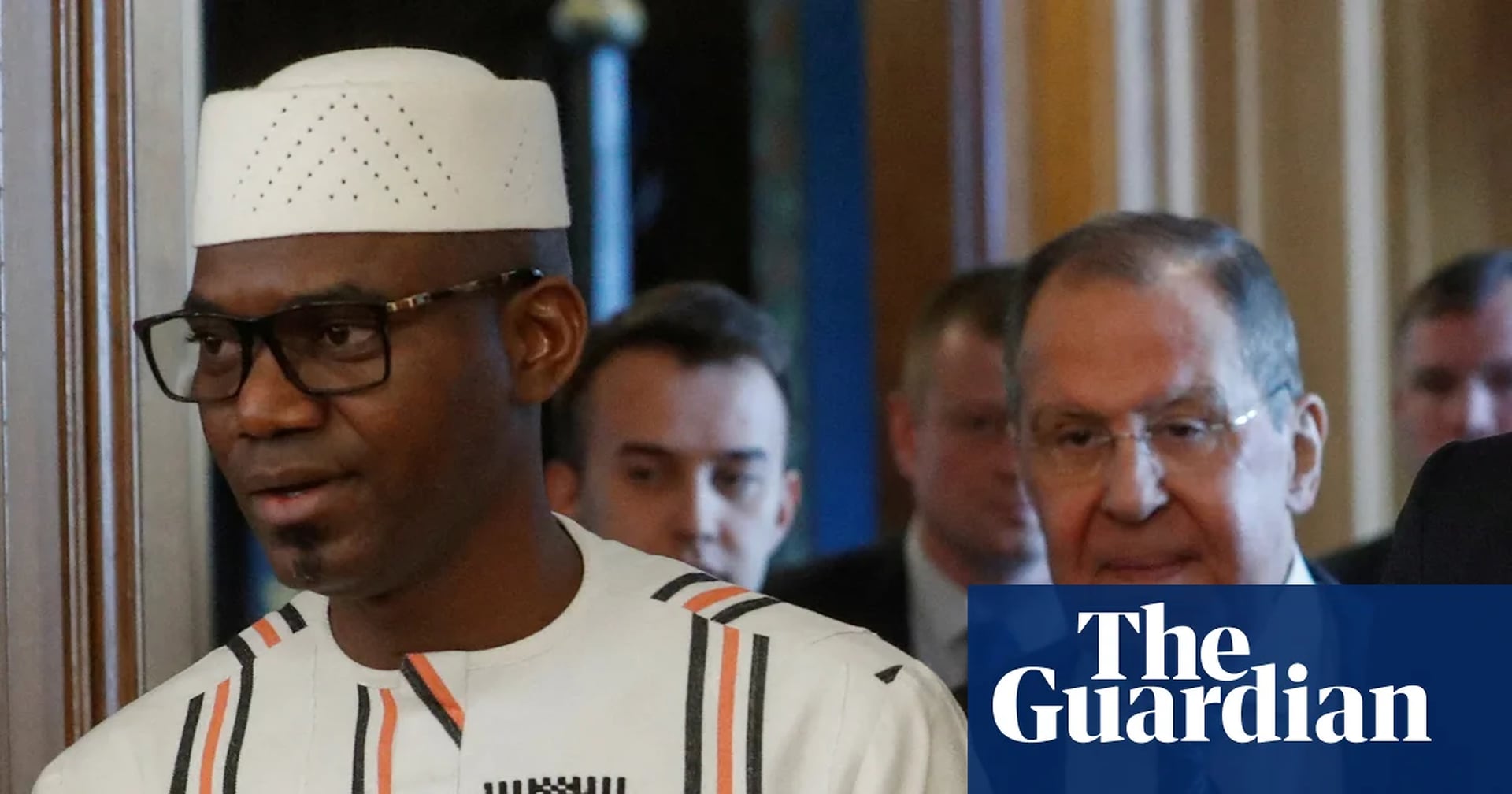
The recent assassination of Mali’s defence minister, Sadio Camara, during a coordinated series of insurgent attacks across the West African nation, serves as a stark and tragic reminder of the profound and often devastating impact of armed conflict on the fabric of society. While the immediate focus of such events often centers on political stability and security, the ripple effects extend far beyond the battlefield, critically undermining the fundamental pillars of human development: health and education. This incident in Mali, where a car bomb targeted the minister's residence in Kati amidst broader assaults by groups including a West African al-Qaida affiliate, is not an isolated occurrence but rather a poignant illustration of a global pattern where escalating violence systematically dismantles the very services essential for human well-being and future prosperity.
Across numerous fragile states and regions plagued by protracted conflict, the systematic disruption of healthcare and educational systems has become a tragic hallmark of instability. When governments are preoccupied with security threats, and infrastructure becomes targets or collateral damage, the most vulnerable populations bear the brunt. The long-term consequences of such systemic failures are catastrophic, creating cycles of poverty, ill-health, and lack of opportunity that can persist for generations, even after the fighting subsides.
The Erosion of Health Systems in Conflict Zones
Conflict zones are inherently hostile environments for public health. The direct targeting or incidental destruction of hospitals, clinics, and medical supply chains is a common tactic or tragic outcome of warfare. In Mali, as in many other conflict-affected regions, healthcare facilities are often overwhelmed by casualties, lack essential medicines, and struggle to retain trained personnel who are either displaced, flee for safety, or become targets themselves. The killing of a high-ranking official like a defence minister, while a political act, inevitably exacerbates the climate of fear and insecurity that drives medical professionals away from areas where their skills are most desperately needed.
The disruption extends beyond physical infrastructure. Routine immunization programs, crucial for preventing outbreaks of preventable diseases like measles, polio, and diphtheria, are often halted. Water and sanitation systems, vital for public health, are frequently damaged, leading to increased risks of cholera and other waterborne illnesses. Malnutrition becomes rampant as food security deteriorates due to disrupted agriculture and supply routes. Pregnant women lose access to prenatal care and safe delivery services, leading to higher rates of maternal and infant mortality. Children, already vulnerable, are exposed to heightened risks of injury, disease, and psychological trauma, with limited or no access to the medical attention they require.
Furthermore, the mental health burden of conflict is immense and often overlooked. Populations exposed to extreme violence, displacement, and loss suffer from high rates of post-traumatic stress disorder, depression, and anxiety. Without adequate mental health support services, which are almost non-existent in many conflict zones, these conditions can severely impair individuals' ability to function, rebuild their lives, and contribute to their communities. The long shadow cast by a weakened health system means that even minor health issues can escalate into life-threatening conditions, while chronic diseases go unmanaged, leading to widespread suffering and reduced life expectancy.
Education: A Casualty of Instability
Equally devastating is the impact of conflict on education. Schools, once symbols of hope and progress, often become targets, barracks, or are simply abandoned due to insecurity. In regions like Mali, where insurgent groups often oppose secular education, schools and teachers are deliberately attacked, forcing closures and denying millions of children their fundamental right to learn. The recent events, by further destabilizing the region, will undoubtedly contribute to this educational crisis.
When schools close, children are not only deprived of knowledge but also lose a safe space, a sense of normalcy, and access to vital support networks. Girls, in particular, are disproportionately affected, facing increased risks of early marriage, gender-based violence, and exploitation when out of school. Boys, without the structure and purpose of education, can become vulnerable to recruitment by armed groups, perpetuating the cycle of violence. The displacement of families means children are uprooted from their learning environments, often with no access to alternative schooling in refugee camps or host communities.
Teachers, like healthcare workers, are often forced to flee, or they may be targeted for their profession. The loss of trained educators creates a void that is difficult to fill, even when schools can eventually reopen. The curriculum itself can be disrupted, with years of learning lost, making it challenging for an entire generation to catch up. This educational deficit has profound long-term implications for national development, hindering economic growth, social cohesion, and the ability of a country to rebuild and sustain peace. An uneducated populace is less equipped to participate in democratic processes, innovate, or advocate for their rights, thereby entrenching fragility.
Global Responsibility and Humanitarian Response
The situation in Mali, while specific in its details, mirrors challenges faced in numerous other conflict-affected regions globally, from the Middle East to other parts of Africa and beyond. The international community, humanitarian organizations, and local actors face an immense task in mitigating these impacts. Efforts to provide emergency healthcare, establish temporary learning spaces, and support displaced populations are critical, but they are often hampered by insecurity, lack of funding, and logistical challenges.
Nivaran Foundation, along with other humanitarian agencies, recognizes that protecting and rebuilding health and education systems in conflict zones is not merely an act of charity but a strategic imperative for global peace and security. Investing in these sectors during and after conflict helps to stabilize communities, foster resilience, and lay the groundwork for long-term recovery and sustainable development. This includes advocating for the protection of civilians, healthcare workers, and educational facilities under international humanitarian law, ensuring safe access for aid, and supporting local capacities to deliver essential services.
The killing of Mali's defence minister is a tragic indicator of the persistent and evolving nature of insurgent threats. Yet, beyond the immediate security implications, it serves as a powerful reminder of the silent crisis unfolding in the shadows of conflict: the systematic erosion of health and education. Addressing this crisis requires sustained international attention, robust humanitarian funding, and a commitment to safeguarding the fundamental rights to health and education for all, especially those caught in the crossfire of global instability. Only by prioritizing these vital services can we hope to break the cycle of violence and build a more resilient future for affected communities worldwide.
Support Nivaran Foundation's efforts to rebuild and protect health and education systems in conflict-affected regions worldwide.
Talk to Nivaran Global