
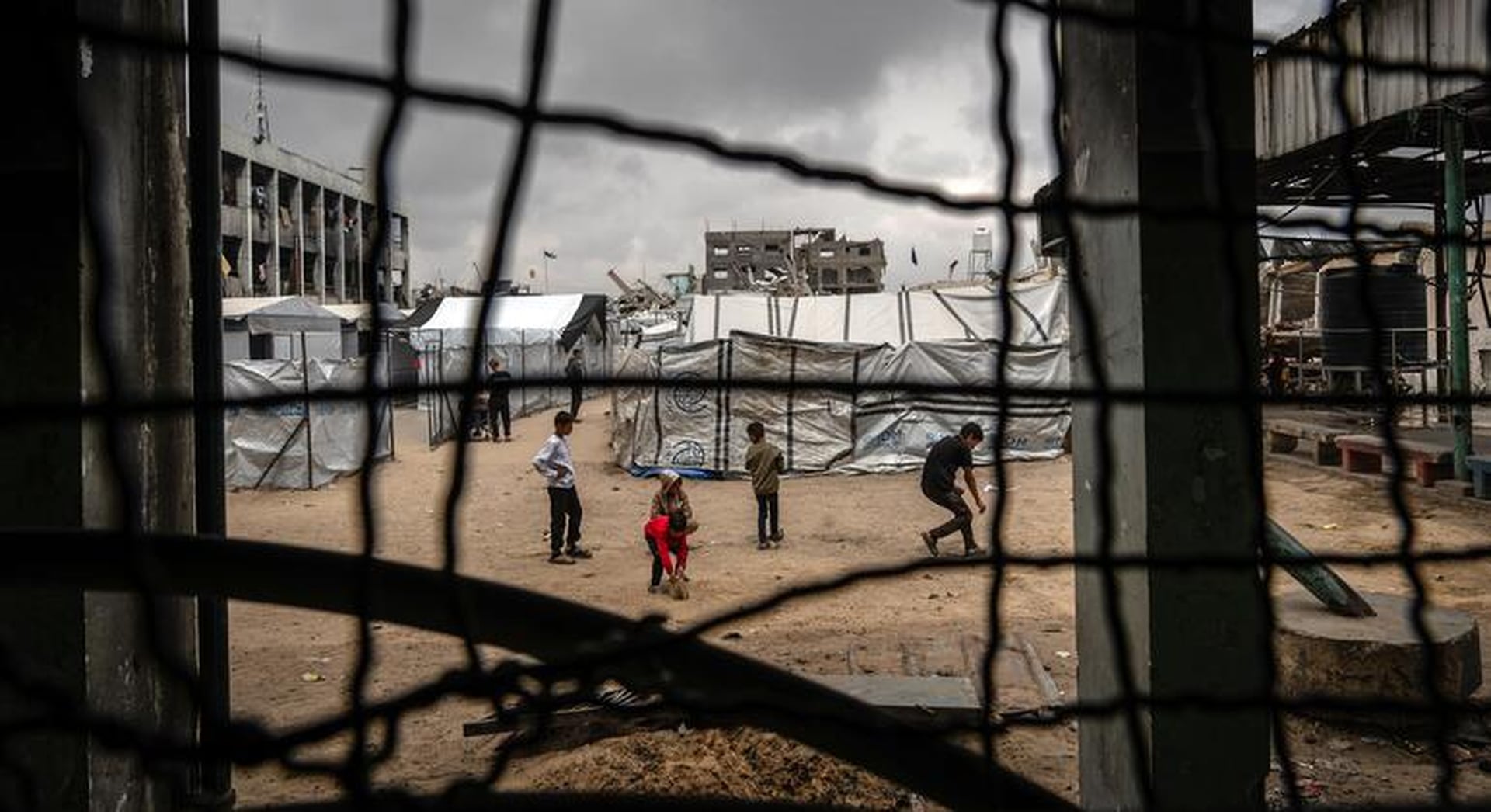
The global landscape is increasingly marked by a confluence of crises that profoundly threaten human development, health, and the very foundation of future prosperity. Recent warnings from the United Nations underscore a deepening concern over escalating security incidents in volatile regions, which not only destabilize geopolitics but also trigger catastrophic humanitarian consequences. Among these, the plight of populations facing staggering health needs in conflict zones stands out, alongside the looming threat of a widening global skills gap that imperils economic stability and social cohesion worldwide. These are not isolated challenges but interconnected facets of a complex global predicament, demanding urgent, coordinated, and comprehensive international responses.
The humanitarian situation in areas like Gaza exemplifies the dire state of health systems under siege. Years of conflict and blockade have systematically eroded the healthcare infrastructure, leaving it critically vulnerable to any new escalation. The UN's recent expressions of deep concern are rooted in the reality that medical facilities are overwhelmed, often operating with severe shortages of essential medicines, equipment, and even basic utilities like power and clean water. Hospitals, once pillars of community health, are reduced to struggling emergency centers, barely able to cope with mass casualties, let alone provide routine or specialized care. This creates a fertile ground for the spread of infectious diseases, as sanitation systems collapse and access to clean water becomes a luxury. Pregnant women, infants, the elderly, and those with chronic illnesses are disproportionately affected, facing insurmountable barriers to life-saving treatment. The psychological toll on both patients and healthcare workers is immense, leading to a pervasive mental health crisis that often goes unaddressed due to the overwhelming focus on immediate physical trauma. The long-term implications for public health are catastrophic, potentially setting back decades of progress and creating a generation burdened by chronic health issues and trauma. The international community's failure to adequately protect healthcare facilities and ensure humanitarian access in such zones constitutes a grave violation of international law and a profound moral failing, necessitating a renewed commitment to upholding humanitarian principles and providing sustained support.
Beyond the immediate devastation of physical health, conflict also wages a silent war on education, creating a lost generation whose future prospects are severely curtailed. When schools are destroyed, occupied, or rendered unsafe, children are deprived of their fundamental right to learn. Displacement forces millions of families to flee their homes, disrupting educational continuity and often leading to prolonged periods out of school. In temporary shelters or refugee camps, access to quality education is often minimal, with overcrowded classrooms, untrained teachers, and a severe lack of learning materials. This educational vacuum has profound long-term consequences, directly contributing to the global skills gap. Children who miss out on foundational learning struggle to acquire the literacy, numeracy, and critical thinking skills essential for future employment. Adolescents and young adults, unable to complete their secondary or tertiary education, find themselves ill-equipped for the demands of a rapidly evolving global job market. This perpetuates cycles of poverty and vulnerability, making communities more susceptible to future crises and hindering their ability to rebuild and achieve sustainable development. The erosion of educational opportunities in conflict-affected regions not only robs individuals of their potential but also deprives nations of the human capital necessary for recovery and growth, creating a ripple effect that extends far beyond their borders.
Compounding these challenges is the pervasive and growing global skills gap, a silent threat that transcends conflict zones and impacts economies worldwide. Rapid technological advancements, particularly in areas like artificial intelligence, automation, and digital transformation, are reshaping industries at an unprecedented pace. Many education systems, however, have struggled to keep up, resulting in a mismatch between the skills taught in schools and universities and those demanded by employers. This gap is not merely about technical proficiency; it also encompasses critical soft skills such as problem-solving, critical thinking, creativity, adaptability, and emotional intelligence, which are increasingly vital in dynamic work environments. Developing nations often face the additional burden of underfunded education systems, limited access to technology, and a lack of investment in vocational training programs that could equip their youth with practical, job-ready skills. Even in developed economies, the challenge persists, with industries reporting difficulties in finding qualified talent for emerging roles, while significant portions of the workforce face the risk of obsolescence without continuous reskilling and upskilling opportunities. The consequences are far-reaching: businesses struggle to innovate and grow, economic productivity stagnates, and social inequalities deepen as those without the requisite skills are left behind. Addressing this gap requires a concerted effort from governments, educational institutions, and the private sector to reform curricula, invest in lifelong learning initiatives, and foster a culture of continuous adaptation.
The interconnectedness of these global challenges cannot be overstated. A population grappling with chronic health issues due to conflict cannot effectively participate in education or the workforce. Conversely, a lack of education and skills perpetuates poverty, which in turn exacerbates health vulnerabilities and can even fuel social unrest, creating conditions ripe for conflict. The UN's warnings serve as a stark reminder that regional instability, humanitarian crises, and economic threats are deeply intertwined. Addressing one without acknowledging the others is an exercise in futility. A truly effective response must therefore be holistic and integrated. This involves not only providing immediate humanitarian aid to alleviate suffering in conflict zones but also investing in the long-term resilience of health systems, ensuring access to comprehensive care, and strengthening mental health support. Simultaneously, there must be a robust commitment to protecting and rebuilding education, implementing innovative learning solutions for displaced populations, and reforming global education systems to equip individuals with the skills needed for the 21st century. This includes fostering digital literacy, promoting STEM education, and integrating vocational training pathways that are responsive to market needs. International cooperation, sustained funding, and a shared vision for human development are paramount. Governments, international organizations, civil society, and the private sector must collaborate to create an environment where every individual has the opportunity to thrive, regardless of their circumstances.
In conclusion, the escalating global crises, from the staggering health needs in conflict-ridden areas to the widening skills gap impacting economies worldwide, present a formidable challenge to humanity's collective progress. The warnings from the United Nations are a clarion call for immediate and decisive action. By recognizing the profound interconnectedness of these issues and committing to integrated solutions that prioritize health, education, and human potential, the global community can begin to forge a path towards a more stable, equitable, and prosperous future for all. The time for piecemeal approaches is over; a comprehensive, compassionate, and forward-looking strategy is not merely an option, but an imperative.
Support Nivaran Foundation's efforts to foster resilient health and education systems in vulnerable communities worldwide.
Talk to Nivaran Global