
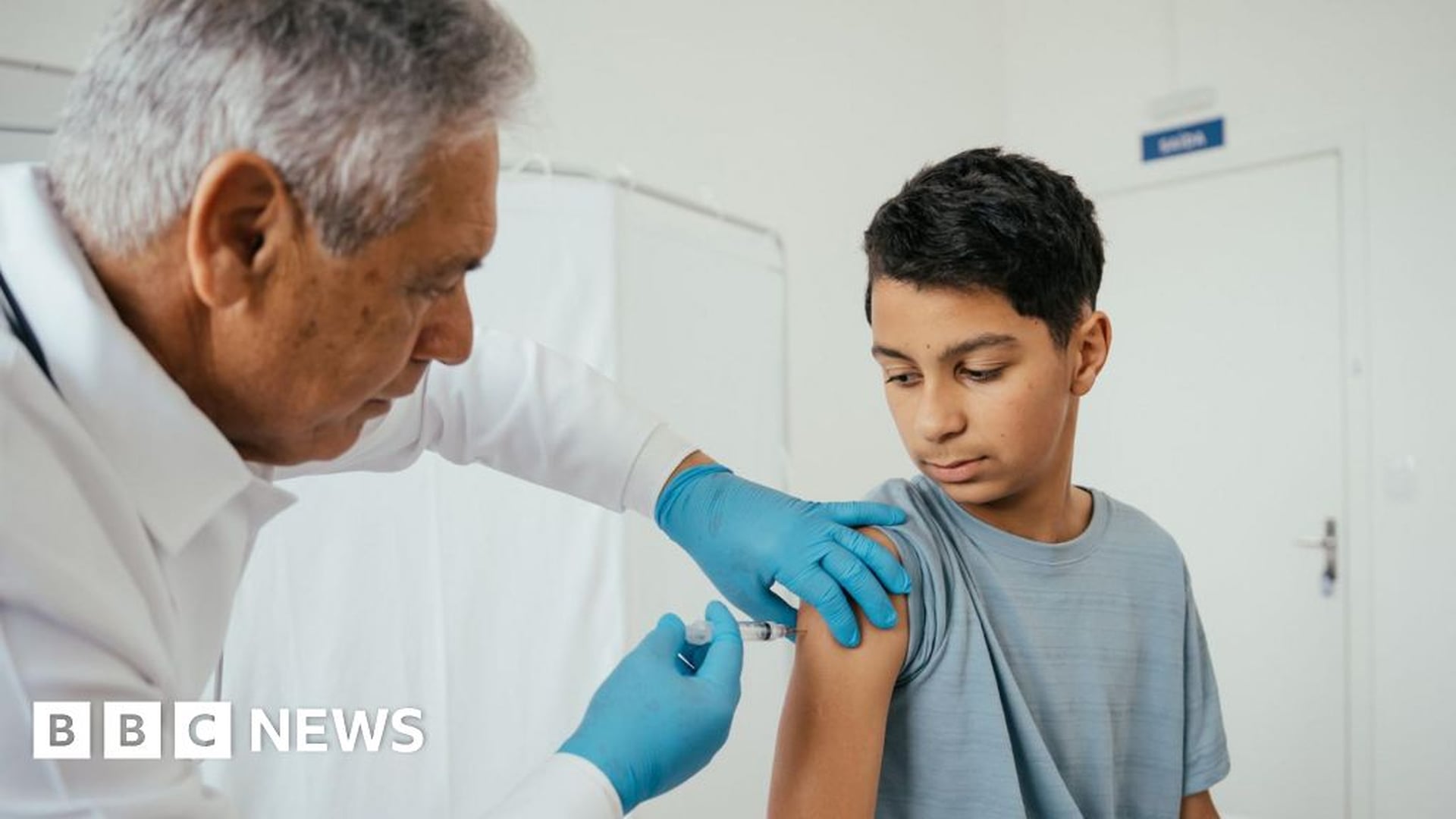
The recent resurgence of meningococcal group B (MenB) disease in specific regions, particularly highlighted by outbreaks affecting student populations, has reignited a critical global discussion: should routine MenB vaccination programs be extended to include teenagers? While many nations have successfully implemented infant vaccination schedules, the vulnerability of adolescents, often living in close quarters in educational institutions, presents a compelling argument for re-evaluating existing public health strategies. This debate transcends national borders, prompting health authorities worldwide to scrutinize the efficacy, cost-effectiveness, and ethical implications of expanding immunization efforts to protect an age group increasingly recognized as susceptible.
Meningococcal disease, caused by the bacterium Neisseria meningitidis, remains a significant global health concern due to its rapid onset and potential for severe, life-threatening outcomes, including meningitis and septicaemia. MenB is one of the most prevalent strains responsible for these invasive infections, particularly in developed countries. While infants and young children bear the highest burden of disease, adolescents and young adults represent a secondary peak in incidence. This demographic shift is often attributed to changes in social behavior, such as increased close contact in schools, universities, and social gatherings, which facilitate the transmission of the bacteria. The consequences of MenB infection can be devastating, leading to permanent disabilities like brain damage, hearing loss, limb amputation, or even death within hours if not treated promptly. The severity of the disease underscores the urgency of preventive measures, making vaccination a cornerstone of public health defense.
Globally, the implementation of MenB vaccines has been a phased process, largely prioritizing infants due to their heightened susceptibility and the severe impact of the disease in this age group. Countries like the United Kingdom, for instance, introduced the MenB vaccine into their routine infant immunization program in 2015, significantly reducing cases among vaccinated cohorts. Similar strategies have been adopted in other nations, demonstrating the vaccine's effectiveness in protecting the youngest and most vulnerable. However, this focus has inadvertently created a gap in protection for older children and teenagers who were not part of these initial infant vaccination campaigns. Consequently, as these cohorts age, they remain unprotected against a pathogen that can cause serious illness, especially as they transition into environments conducive to transmission. The challenge now lies in addressing this unprotected population without compromising the established benefits of infant immunization.
The arguments for extending MenB vaccination to adolescents are multifaceted and compelling. Firstly, direct protection for teenagers themselves is a primary concern. Preventing severe illness, disability, and death in this age group would alleviate significant individual suffering and reduce the burden on healthcare systems. Secondly, vaccinating adolescents could contribute to broader public health benefits by reducing the carriage and transmission of the Neisseria meningitidis bacteria within communities. Teenagers are known to be asymptomatic carriers of the bacteria in their throats, acting as a reservoir for transmission to more vulnerable populations, including infants and the elderly. By reducing carriage rates through vaccination, a degree of herd immunity could be established, offering indirect protection to those who cannot be vaccinated or for whom the vaccine is less effective. This strategy could be particularly impactful in preventing localized outbreaks in educational settings, which often garner significant public and media attention.
However, the decision to expand vaccination programs is fraught with complex considerations, primarily revolving around cost-effectiveness and logistical challenges. MenB vaccines, like many newer vaccines, can be expensive, and governments must weigh the public health benefits against the economic costs of procurement, distribution, and administration. Economic modeling plays a crucial role in these decisions, assessing the number of cases averted, lives saved, and long-term healthcare costs avoided versus the investment required for a mass vaccination program. Furthermore, the logistics of reaching a large, often mobile, adolescent population present unique hurdles. Unlike infants who are regularly brought to clinics for multiple vaccinations, teenagers may be harder to engage, requiring targeted campaigns in schools, colleges, or community centers. Vaccine fatigue, competing health priorities, and varying levels of public awareness or hesitancy can also complicate uptake rates, demanding robust communication strategies.
The global landscape of MenB vaccination policy is diverse, reflecting variations in disease epidemiology, healthcare infrastructure, and economic capacity. While some high-income countries might deliberate the expansion of adolescent vaccination based on cost-benefit analyses, lower-income nations might still be struggling to implement comprehensive infant immunization programs for MenB, or even for other preventable diseases. This disparity highlights a critical issue of global health equity. International health organizations and collaborative initiatives are essential in facilitating access to vaccines and sharing best practices, ensuring that the benefits of scientific advancements are not confined to affluent regions. The development of more affordable vaccines and innovative delivery mechanisms could significantly bridge this gap, allowing more countries to consider broader vaccination strategies.
Public health experts and policymakers are closely monitoring the evolving evidence and global experiences with MenB vaccination. Research continues into the long-term efficacy of the vaccine in different age groups, the duration of protection, and the impact on carriage rates. The potential for policy shifts is palpable, with discussions often centering on catch-up programs for older adolescents who missed infant vaccination, or routine vaccination for specific high-risk groups within the teenage population, such as new university entrants. The ultimate goal is to strike a balance between maximizing public health protection and ensuring the sustainable and equitable allocation of resources. This ongoing dialogue underscores a commitment to adapting immunization strategies in response to scientific understanding and epidemiological trends.
In conclusion, the debate over extending MenB vaccination to teenagers is a critical juncture in global public health. While the initial focus on infant immunization has yielded significant successes, the persistent threat of MenB disease in adolescents, coupled with their role in transmission, necessitates a comprehensive re-evaluation of current policies. Addressing this challenge requires a nuanced approach that considers individual protection, community-wide benefits, economic realities, and the imperative of global health equity. As outbreaks continue to serve as stark reminders of the pathogen's enduring threat, a globally informed and collaborative effort is essential to ensure that all age groups, including vulnerable teenagers, are adequately protected against this devastating disease. The decisions made today will shape the future landscape of meningococcal disease prevention for generations to come.
Support Nivaran Foundation's efforts to advocate for equitable global health policies and disease prevention initiatives.
Talk to Nivaran Global