
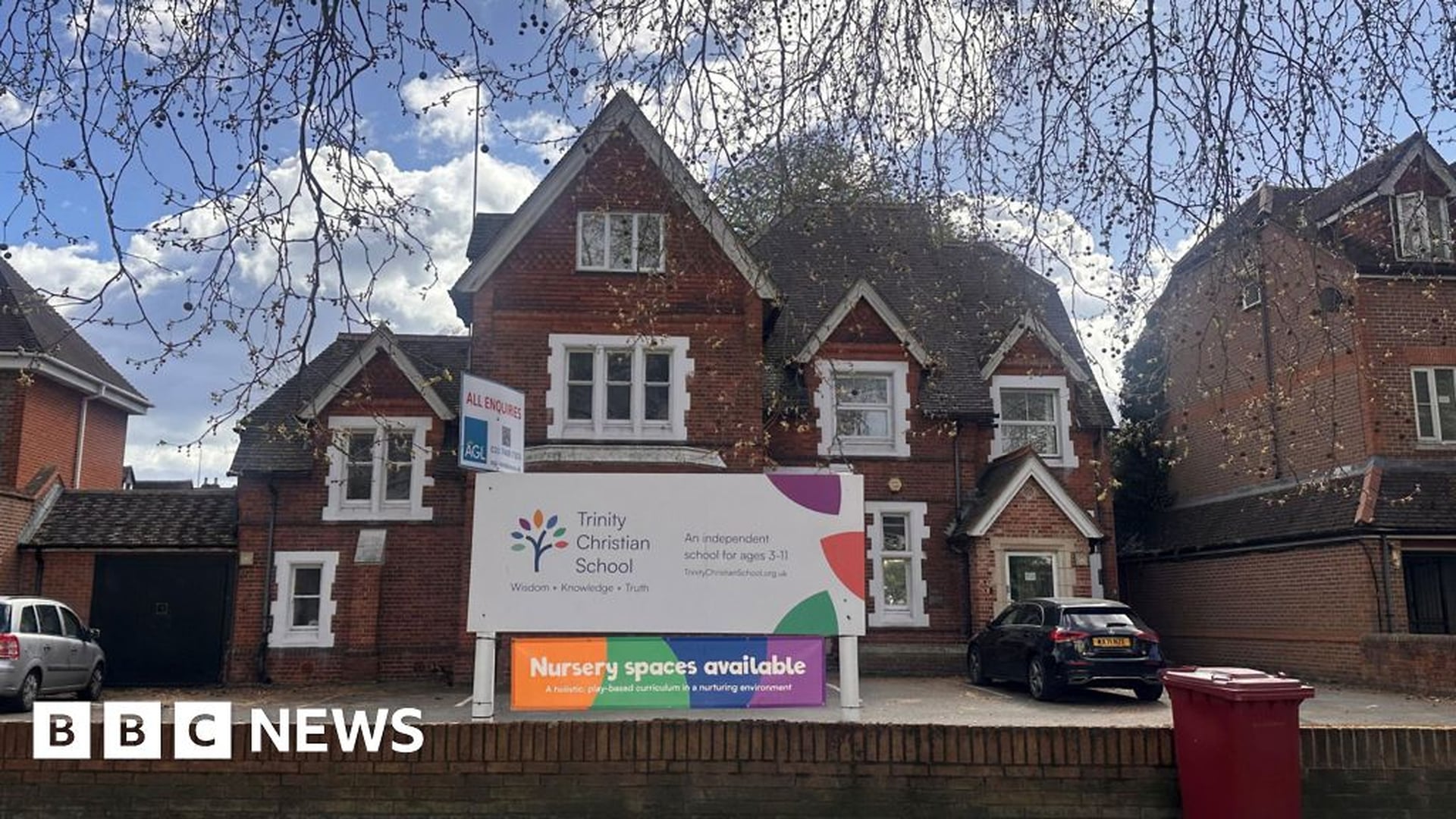
In a development that resonates far beyond its local community, a Christian independent school, catering to a modest cohort of 40 students, has announced its impending closure. The institution has cited recent adjustments to value-added tax (VAT) regulations as the primary catalyst for its decision, casting a spotlight on the precarious financial landscape confronting private educational establishments across the globe. This isolated incident, while specific in its context, serves as a poignant illustration of the broader economic pressures and policy shifts that are increasingly challenging the sustainability and accessibility of independent schooling worldwide.
The closure of any educational institution, regardless of its size, inevitably triggers a cascade of disruptions. For the 40 students enrolled at this particular school, the announcement means an abrupt end to their current educational journey, forcing families to scramble for alternative placements. This often involves navigating new curricula, adjusting to different pedagogical approaches, and potentially facing increased financial burdens if other independent schools are more expensive or if public options are overcrowded. Beyond the immediate logistical challenges, there is the emotional toll on students who must leave familiar surroundings, friends, and teachers, as well as on the dedicated staff who now face unemployment. Such closures underscore the deep personal impact that macroeconomic policy decisions can have on individuals and communities.
The policy change in question – the imposition or alteration of VAT on private school fees – is a contentious issue debated in various jurisdictions. Proponents of such measures often argue that it levels the playing field, ensuring that private education contributes to the public purse in a manner similar to other services, or that it generates much-needed revenue for public services, including state-funded education. The argument is frequently framed around principles of equity, suggesting that those who can afford private education should bear a greater tax burden. However, critics contend that these policies can inadvertently harm educational diversity, disproportionately affect middle-income families who stretch their budgets for independent schooling, and potentially lead to an exodus of students into already strained public systems.
The Economic Vulnerability of Independent Schools
Independent schools, particularly smaller ones or those with a specific mission like faith-based education, often operate on tighter financial margins than their larger, more endowed counterparts. Their revenue is almost exclusively derived from student fees, donations, and modest endowments. Unlike public schools, they typically do not receive direct government funding for operational costs, relying instead on careful financial planning to cover everything from teacher salaries and facility maintenance to curriculum development and extracurricular activities. A significant increase in operational costs, such as that caused by new taxation, can quickly erode their financial viability, pushing them beyond a sustainable threshold. For a school with 40 students, the per-student impact of added VAT can be substantial, making fee increases unavoidable and potentially pricing out existing families.
This vulnerability is not unique to the school in question but is a recurring theme in the global discourse on education funding. In many countries, independent schools play a crucial role in providing diverse educational options, catering to specific learning styles, religious affiliations, or specialized academic programs that may not be available in the public sector. Their existence often alleviates pressure on public school systems, as they educate a segment of the student population without drawing directly from public funds for their day-to-day operations. When these schools close, the students they serve must often transition to public schools, potentially increasing class sizes and resource demands on the state system.
Impact on Educational Diversity and Access
The closure of independent schools, particularly those with a distinct ethos like a Christian foundation, diminishes the overall diversity of educational choices available to families. For parents who prioritize a faith-based education or a particular pedagogical approach, the loss of such institutions can be profound. It can force them to compromise on their values or seek education abroad, further highlighting disparities in access. This reduction in choice can disproportionately affect families who, despite not being wealthy, prioritize specific educational environments and make significant financial sacrifices to access them. The narrative often simplifies private education as a luxury, overlooking the diverse socio-economic backgrounds of families who choose it.
Furthermore, the long-term implications for access to quality education are significant. If tax policies make independent schooling prohibitively expensive, the sector risks becoming exclusively the domain of the ultra-wealthy, thereby exacerbating educational inequality rather than mitigating it. This outcome runs counter to the broader goal of ensuring that all children, regardless of their background, have access to an education that best suits their needs and aspirations. The global conversation around education must therefore consider how policy decisions impact the entire educational ecosystem, not just isolated parts.
A Global Debate on Education Funding
The situation of this independent school is emblematic of a wider global debate concerning the funding of education and the relationship between state and private provision. Governments worldwide grapple with the challenge of adequately funding public education while also navigating the role and contribution of the independent sector. Some nations offer subsidies or tax breaks to private schools, recognizing their contribution to the national educational landscape, while others impose stricter regulations and taxation, viewing them as commercial enterprises. The varying approaches reflect differing philosophical stances on the role of the state in education and the balance between public and private responsibility.
The economic pressures on independent schools are not solely confined to tax changes. Rising operational costs, increasing regulatory burdens, the need for continuous investment in technology and infrastructure, and the competitive landscape for attracting and retaining qualified educators all contribute to a challenging environment. For smaller schools, these pressures can be particularly acute, as they lack the economies of scale and extensive fundraising networks of larger institutions. The global economic climate, marked by inflation and fiscal austerity in many regions, only intensifies these challenges, making it harder for schools to absorb additional costs without passing them on to parents, often to their detriment.
The Future of Independent Education
The closure of this Christian independent school serves as a stark reminder that the future of independent education is not guaranteed. It necessitates a critical examination of how policy decisions impact educational diversity, access, and the overall health of the schooling sector. As governments continue to seek new revenue streams and address perceived inequalities, it is imperative that the potential unintended consequences for students, families, and the broader educational landscape are thoroughly considered. Sustainable funding models, thoughtful regulatory frameworks, and a recognition of the diverse contributions of all educational providers are essential to ensure that quality education remains accessible and robust for future generations.
The Nivaran Foundation believes that every child deserves access to quality education, irrespective of their socio-economic background or the type of institution they attend. The challenges faced by independent schools, as highlighted by this closure, underscore the complex interplay of economic policy and educational opportunity. It is a call to action for policymakers, educators, and communities to engage in constructive dialogue to foster an environment where all educational institutions can thrive, offering diverse pathways to learning and empowering children to reach their full potential in an ever-evolving global society.
Support Nivaran Foundation's mission to champion equitable and accessible education worldwide, ensuring every child has the opportunity to learn and thrive.
Talk to Nivaran Global