
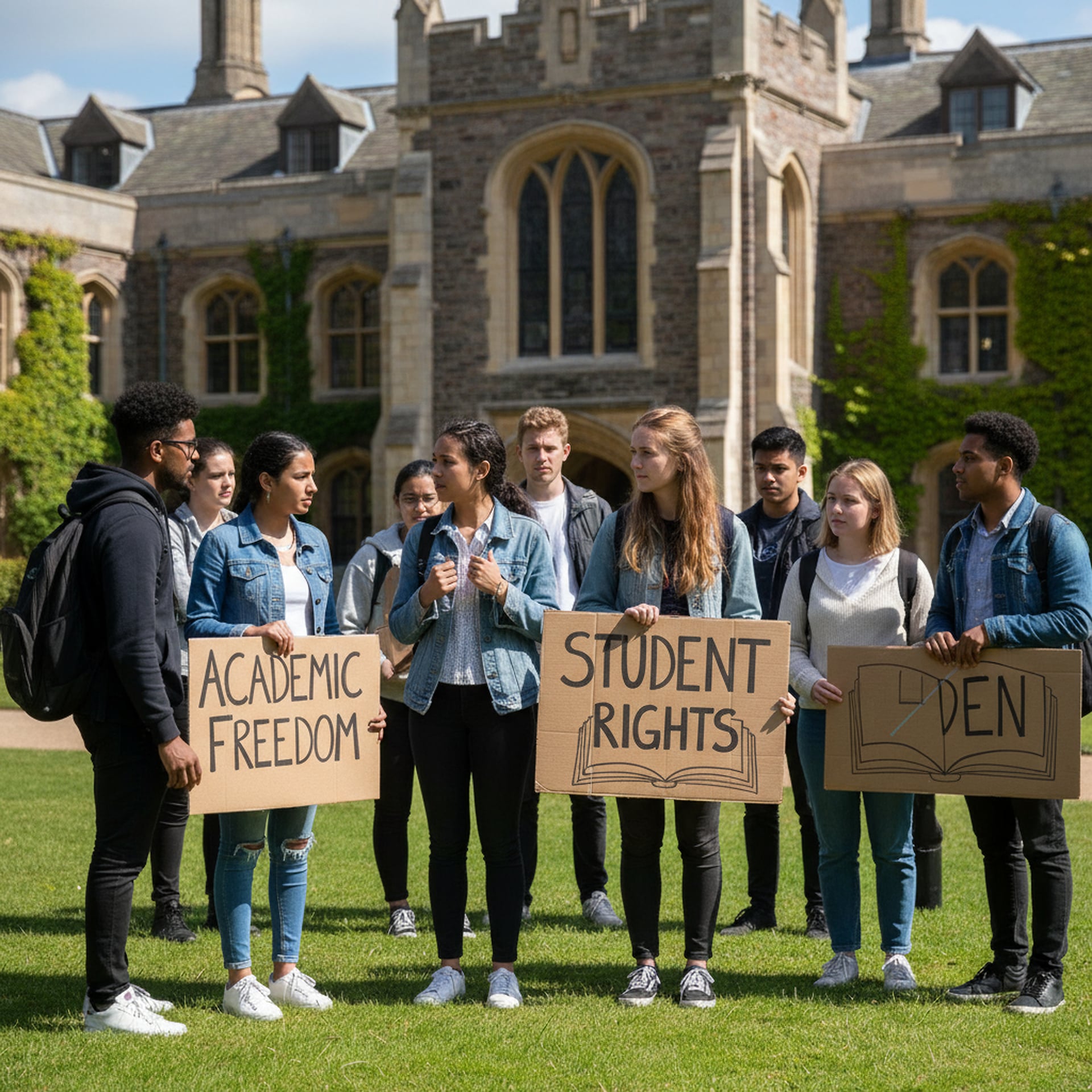
The recent abrupt dismissals of immigration judges in a prominent nation, following their decisions to block the deportations of students involved in pro-Palestinian activism, have sent ripples across the international community, sparking a critical global discourse on academic freedom, student rights, and the integrity of judicial processes. This development, widely reported as part of broader governmental efforts to reshape immigration courts, transcends national borders, raising profound questions about the protection of educational spaces and the fundamental liberties of students worldwide.
At its core, this incident underscores the escalating tension between governmental authority and the autonomy of educational institutions, particularly when student activism intersects with sensitive geopolitical issues. Universities have historically served as crucibles for critical thought, debate, and social change. The ability of students to express their political views, even on contentious global matters, is often seen as a cornerstone of academic freedom and a vital component of a vibrant democratic society. When judicial independence appears to be compromised in response to such activism, it sends a chilling message far beyond the immediate context, potentially impacting how students and educators perceive their rights and responsibilities globally.
Academic freedom, a principle deeply embedded in international human rights instruments, guarantees the liberty of teachers and students to discuss and explore ideas relevant to their field of study without fear of censorship or retaliation. This freedom is not absolute but is universally recognized as essential for the pursuit of knowledge and the development of informed citizens. The actions taken against judges for upholding what they deemed legal protections for students engaged in political expression directly challenge this global imperative. It suggests a worrying trend where the exercise of fundamental freedoms, particularly by students, can lead to severe repercussions, not just for the students themselves but for those tasked with upholding justice.
Student activism has long been a powerful catalyst for social and political transformation across continents. From civil rights movements to anti-apartheid campaigns and environmental advocacy, students have consistently been at the forefront of demanding change and challenging the status quo. Their capacity to mobilize, articulate grievances, and advocate for justice is a testament to the transformative potential of education. However, when governments or powerful entities perceive such activism as a threat, the impulse to suppress or control it can undermine the very foundations of open societies. The dismissals of judges, in this context, can be interpreted as a direct attempt to curb student dissent, thereby stifling a crucial avenue for public discourse and accountability.
The erosion of judicial independence, as suggested by these dismissals, represents a significant threat to the rule of law and human rights globally. An impartial judiciary is the bedrock of any just society, acting as a check on executive power and safeguarding individual liberties. When judges are removed for decisions that are perceived as politically inconvenient, it jeopardizes the public's trust in the justice system and creates an environment where legal protections can be overridden by political expediency. For international students, in particular, this raises concerns about due process and fairness, potentially making them more vulnerable to arbitrary actions based on their political affiliations or expressions.
Furthermore, the incident carries significant implications for international students and the broader landscape of global education. Students who travel across borders to pursue higher education often bring diverse perspectives and contribute immensely to the intellectual and cultural richness of their host countries. However, if they perceive that expressing political opinions, especially on issues of global significance, could lead to deportation or other punitive measures, it creates a chilling effect. This fear can discourage international students from engaging fully in academic and social life, limiting their contributions and undermining the very purpose of international educational exchange. It also makes certain countries less attractive as destinations for higher learning, impacting global talent flows and academic collaboration.
Educational institutions themselves bear a profound responsibility in navigating these complex challenges. Universities are expected to be sanctuaries of intellectual inquiry and free expression, protecting their students and faculty from undue external pressure. Balancing the imperative to foster open dialogue and critical thinking with the need to maintain order and comply with legal frameworks is a delicate act. This incident serves as a stark reminder for universities worldwide to reaffirm their commitment to academic freedom, defend student rights, and advocate for judicial independence, ensuring that their campuses remain safe spaces for diverse viewpoints and robust debate.
The precedent set by such actions could resonate globally, particularly in nations where democratic institutions are fragile or where governments seek to control public discourse. Authoritarian regimes might draw inspiration from such measures, using them to justify their own crackdowns on student activism or to exert greater control over their judiciaries. This global ripple effect underscores the interconnectedness of human rights and educational policy across different jurisdictions. It highlights the urgent need for international bodies, human rights organizations, and academic communities to monitor such developments closely and advocate for the universal protection of academic freedom and student rights.
Nivaran Foundation believes that the integrity of educational spaces and the protection of student voices are paramount for fostering a just and equitable world. The ability of students to engage critically with global issues, express their opinions, and advocate for change without fear of reprisal is fundamental to their development as informed global citizens. Any action that undermines judicial independence or suppresses academic freedom represents a step backward for human rights and the advancement of knowledge.
In conclusion, the dismissals of judges over their decisions regarding pro-Palestinian student deportations are more than an isolated national incident; they are a potent symbol of the global challenges confronting academic freedom and student rights. This event compels a worldwide reflection on the sanctity of judicial independence, the vital role of student activism, and the responsibility of educational institutions to protect the fundamental liberties of their communities. As geopolitical tensions continue to shape global dynamics, the imperative to safeguard educational spaces as bastions of free thought and expression becomes ever more critical for the future of human progress.
Support Nivaran Foundation's efforts to champion academic freedom and student rights globally, ensuring education remains a beacon of independent thought.
Talk to Nivaran Global