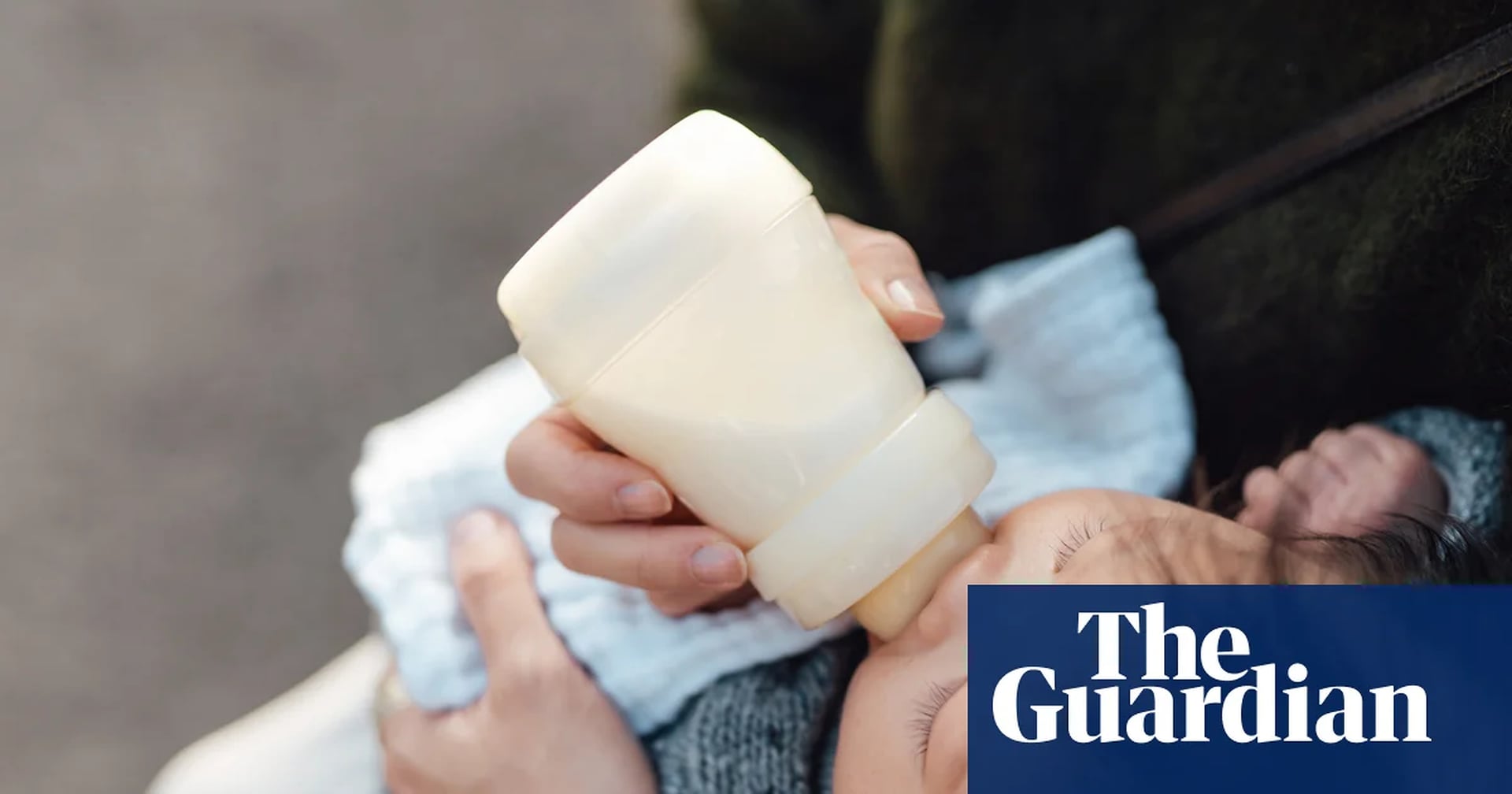
The issue of infant nutrition and safety stands as a paramount global health concern, with recent revelations casting a shadow of doubt over the assurances provided by governmental bodies regarding baby formula. Independent scientific analyses have brought to light a significant discrepancy between official claims of high safety standards and empirical data indicating widespread contamination of infant formula with hazardous chemicals. This divergence in findings has ignited alarm among public health advocates worldwide, prompting urgent calls for enhanced transparency, more rigorous testing, and robust regulatory frameworks to safeguard the health of the most vulnerable population: infants.
Earlier this month, a government administration declared that extensive testing of hundreds of baby formula samples confirmed their adherence to stringent safety benchmarks. However, this assertion has been directly challenged by independent scientists and public health organizations who, upon reviewing the same data, found that a substantial majority of these samples contained detectable levels of dangerous substances, including per- and polyfluoroalkyl substances (PFAS) and phthalates. This contradiction underscores a critical gap in the interpretation of scientific data and raises profound questions about the adequacy of current safety assessments for infant food products on a global scale.
PFAS, often referred to as "forever chemicals" due to their environmental persistence, are a group of synthetic chemicals used in a wide array of industrial and consumer products, including non-stick cookware, water-repellent fabrics, and food packaging. Their presence in baby formula is particularly concerning because these chemicals have been linked to a spectrum of adverse health effects, including developmental delays, immune system dysfunction, hormonal disruptions, and increased risks of certain cancers. For infants, whose organ systems are still rapidly developing and whose detoxification pathways are immature, exposure to even low levels of PFAS can have disproportionately severe and long-lasting consequences. The pathways of contamination can be complex, ranging from the manufacturing process and equipment to the raw ingredients and packaging materials.
Phthalates, another class of chemicals identified in the formula samples, are commonly used as plasticizers to make plastics more flexible and durable. They are ubiquitous in consumer products, from food packaging and medical devices to personal care items. Like PFAS, phthalates are endocrine disruptors, meaning they can interfere with the body's hormonal system. Exposure to phthalates in early life has been associated with reproductive issues, neurodevelopmental problems, and increased risks of asthma and allergies. The presence of these chemicals in a product designed for the sole nourishment of infants is particularly alarming, given their known potential to interfere with critical developmental processes.
The independent scientific community, while acknowledging the positive step taken by the regulatory body in expanding its testing program and making the results public, has voiced serious concerns regarding the interpretation of the data. Experts point to significant data gaps and the sheer prevalence of contamination as indicators that the current safety standards may not be sufficiently protective. While some "bright spots" in the testing results were noted, indicating that not all samples were equally contaminated, the overall picture painted by the data suggests a systemic issue that requires immediate and comprehensive attention. The very act of detecting these chemicals in such a high percentage of samples, regardless of the claimed "safety standard," should trigger a more cautious and protective public health response.
The global implications of these findings cannot be overstated. Baby formula is a staple in infant nutrition worldwide, especially for families where breastfeeding is not feasible or chosen. The potential for widespread contamination means that millions of infants across diverse socioeconomic backgrounds could be unknowingly exposed to harmful chemicals during a critical window of development. This situation necessitates a harmonized global approach to chemical regulation in food products, moving beyond national borders to establish universal, protective standards. Different countries currently have varying regulations, or sometimes a complete lack thereof, concerning PFAS and phthalates in food contact materials and food products, creating a patchwork of safety that leaves many infants vulnerable.
Public health advocates play a crucial role in bridging the gap between scientific findings and public policy. Their persistent warnings serve as a vital check on governmental assurances, ensuring that the health and safety of populations remain paramount. These organizations often champion the cause of transparency, advocating for the full disclosure of testing methodologies and raw data, enabling independent scrutiny and fostering public trust. When official statements appear to downplay or misinterpret scientific evidence, the role of advocacy becomes even more critical in holding regulatory bodies accountable and pushing for evidence-based policy changes that prioritize public health over perceived economic or political expediency.
Beyond regulatory oversight, the responsibility also extends to the manufacturers of infant formula. The industry has a moral and ethical obligation to ensure the absolute safety of its products. This includes investing in research and development to identify and eliminate sources of contamination, exploring alternative packaging materials free from harmful chemicals, and implementing rigorous quality control measures throughout the entire supply chain. Proactive engagement with scientific experts and public health organizations can foster a collaborative environment aimed at achieving the highest possible safety standards, rather than merely meeting minimum regulatory requirements.
For parents globally, these revelations present a distressing dilemma. The reliance on baby formula is often born out of necessity, and the thought that a product designed to nourish and protect could simultaneously expose their infants to harmful substances is deeply unsettling. The need for clear, unambiguous, and scientifically sound information from trusted sources is paramount. Parents require assurance that the products they choose for their children are not only nutritious but also free from contaminants that could compromise their long-term health and development. This underscores the urgency for regulatory bodies to act swiftly and decisively, ensuring that all claims of safety are unequivocally supported by robust, transparent, and independently verifiable scientific evidence.
The broader context of environmental health also comes into sharp focus. The presence of PFAS and phthalates in baby formula is a stark reminder of the pervasive nature of these synthetic chemicals in our environment and their ability to enter the food chain. Addressing this challenge requires a multi-faceted approach, including stricter controls on industrial emissions, innovative solutions for waste management, and a global commitment to phasing out the production and use of harmful chemicals where safer alternatives exist. It is a testament to the interconnectedness of environmental health and human well-being, particularly for the most sensitive populations.
In conclusion, the ongoing debate surrounding the safety of baby formula, fueled by the disparity between government claims and independent scientific data, highlights a critical global health challenge. The widespread detection of PFAS and phthalates in infant formula samples demands immediate and concerted action from regulatory bodies, manufacturers, and public health organizations worldwide. Ensuring the safety of infant nutrition is not merely a matter of compliance with existing standards but a fundamental commitment to protecting the health and developmental potential of future generations. Transparency, rigorous scientific scrutiny, and a proactive approach to eliminating harmful contaminants must form the bedrock of global efforts to guarantee that every child has access to safe and wholesome nourishment. The Nivaran Foundation stands with global health advocates in calling for unwavering vigilance and decisive action to uphold the highest standards of safety for infant formula across the globe.
Support Nivaran Foundation's global efforts to champion transparent health standards and protect vulnerable populations from environmental toxins.
Talk to Nivaran Global