
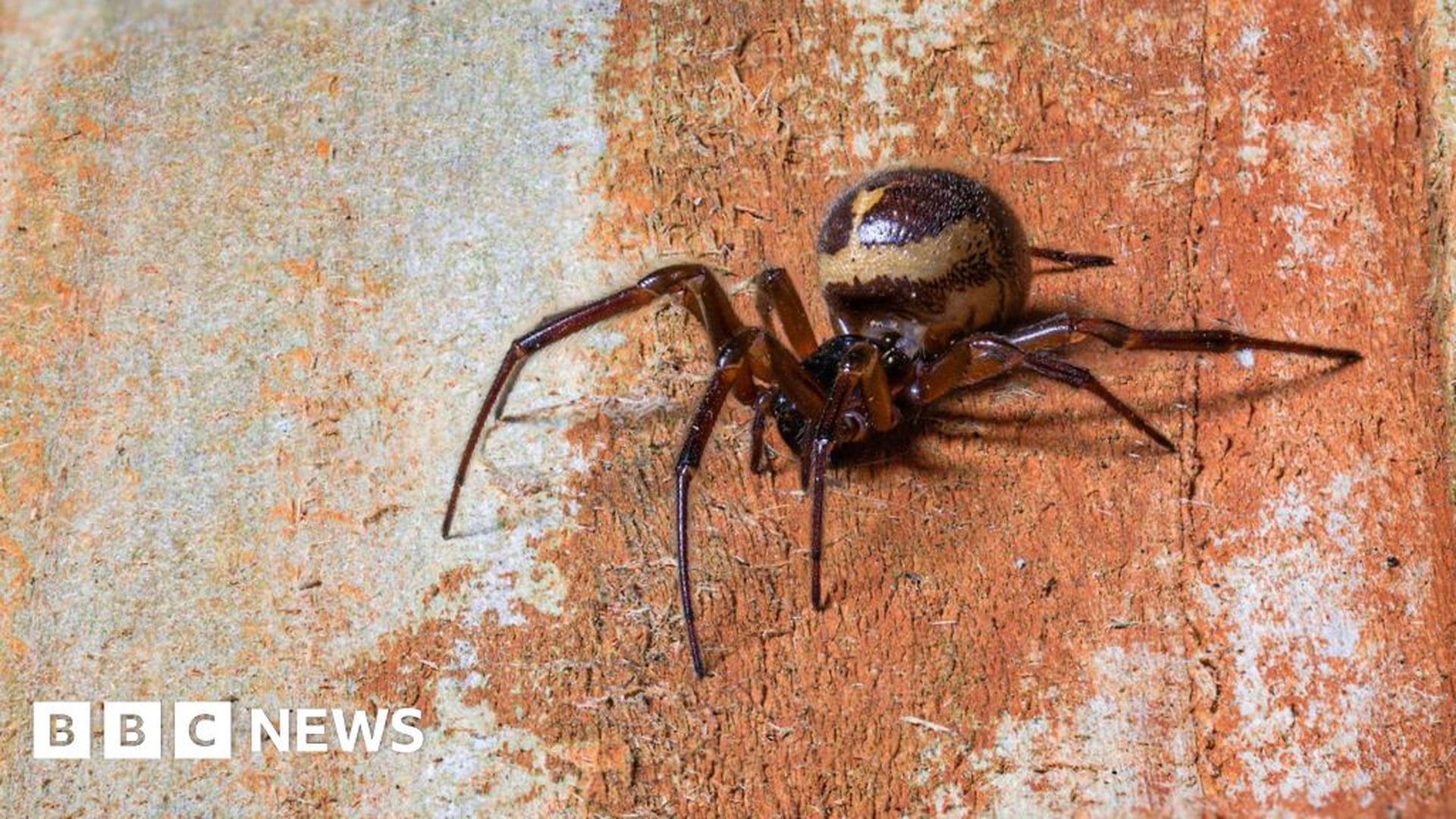
In recent years, a growing concern has emerged within global public health circles regarding the increasing prevalence of the noble false widow spider, Steatoda nobilis, and its potential role in a rise of reported spider bites requiring medical attention. While often overshadowed by more notorious arachnid relatives, experts are now closely monitoring this species as it expands its geographical footprint, leading to more frequent human encounters and, consequently, more instances of bites being treated in hospitals across various regions. This development underscores the dynamic nature of urban ecosystems and the continuous need for public education on common, yet often misunderstood, health risks.
The noble false widow spider, originally native to Madeira and the Canary Islands, has successfully established itself in numerous parts of the world, particularly across Europe and increasingly in other continents. Its success as an invasive species can be attributed to its adaptability, resilience, and ability to thrive in human-modified environments. These spiders are typically dark-bodied, with females reaching up to 15 millimeters in body length, characterized by a distinctive skull-like pattern on their bulbous abdomens. They are often found in and around human dwellings, preferring sheltered spots like sheds, garages, window frames, and even inside homes, making encounters with humans more probable than with many other spider species.
Understanding the nature of a noble false widow bite is crucial for an informed public response. The venom of Steatoda nobilis is neurotoxic, though generally considered to be of mild to moderate potency for humans. A bite typically manifests as localized pain, which can range from a sharp sting similar to a bee or wasp sting, to a more intense, throbbing sensation. This is often followed by redness, swelling, and itching around the bite site. In some cases, a small blister or lump may form. While these symptoms are usually transient and resolve within a few days, some individuals may experience more pronounced reactions, including localized numbness, tingling, or a burning sensation. Systemic symptoms, though rare, can include nausea, headache, malaise, or mild fever, indicating a more widespread, albeit usually mild, physiological response to the venom.
The challenge in accurately assessing the impact of false widow bites lies in several factors. Firstly, spider bites are notoriously difficult to diagnose definitively without the spider being present for identification. Many skin lesions, including bacterial infections, insect bites from other arthropods, or allergic reactions, are often mistakenly attributed to spiders. This misattribution can lead to an overestimation of spider bite incidence and severity. Secondly, even when a spider bite is confirmed, the severity of the reaction can vary significantly among individuals, influenced by factors such as the amount of venom injected, the individual's immune response, and the location of the bite on the body. Children, the elderly, and individuals with compromised immune systems may experience more pronounced symptoms, though severe complications remain uncommon.
Medical experts emphasize that while the bites can be painful and cause discomfort, they are rarely life-threatening. The primary concern often arises from secondary bacterial infections that can develop if the bite site is not kept clean or if it is scratched excessively. Such infections can lead to cellulitis, abscess formation, or, in rare severe cases, systemic infections requiring antibiotic treatment and, occasionally, surgical intervention. This highlights the importance of proper wound care following any suspected spider bite, regardless of the species involved. Public health campaigns are increasingly focusing on distinguishing between the direct effects of venom and the complications arising from secondary infections, aiming to provide a more nuanced understanding of the risks.
From a global health perspective, the spread of the noble false widow spider serves as a microcosm for broader ecological shifts influencing human health. As global trade and climate change facilitate the movement and establishment of invasive species, interactions between humans and previously uncommon or geographically restricted organisms are becoming more frequent. This necessitates robust surveillance systems and public health education programs that can adapt to evolving environmental landscapes. Understanding the distribution, behavior, and venom characteristics of such species is vital for developing effective prevention strategies and appropriate medical responses.
Prevention of spider bites generally involves simple, practical measures. Individuals in areas where false widows are prevalent should take precautions such as shaking out clothes and shoes before wearing them, especially if left outdoors or in storage. Wearing gloves when gardening or handling items in sheds and basements can also reduce the risk of accidental contact. Sealing cracks and crevices in homes, ensuring window screens are intact, and reducing clutter can help minimize entry points and suitable habitats for spiders indoors. For minor bites, basic first aid involves cleaning the wound with soap and water, applying a cold compress to reduce swelling, and taking over-the-counter pain relievers if needed. Elevating the affected limb can also help reduce swelling.
When to seek medical attention is a critical piece of advice. While most bites can be managed at home, a healthcare professional should be consulted if the pain is severe and worsening, if the swelling or redness spreads significantly, if signs of infection such as pus or fever develop, or if the bite is on a sensitive area like the face or near the eyes. Individuals experiencing systemic symptoms like difficulty breathing, widespread rash, or severe headache should seek immediate medical care. These guidelines are consistent across various types of spider bites, underscoring a universal approach to managing potential arachnid encounters.
In conclusion, the noble false widow spider represents an emerging, albeit generally low-risk, public health concern in regions where it has become established. While the increase in hospital-treated bites warrants attention, it is crucial to maintain a balanced perspective. The vast majority of bites result in mild, localized symptoms. The primary health risk stems from potential secondary bacterial infections, rather than the venom itself. Continued research into spider populations, venom characteristics, and bite epidemiology, coupled with clear, accessible public health information, remains essential for managing this and other evolving health challenges presented by our shared global environment. Nivaran Foundation remains committed to disseminating factual information to empower communities worldwide to respond effectively to such developments.
Support Nivaran Foundation's global health initiatives to bring clarity and education on emerging health challenges worldwide.
Talk to Nivaran Global