
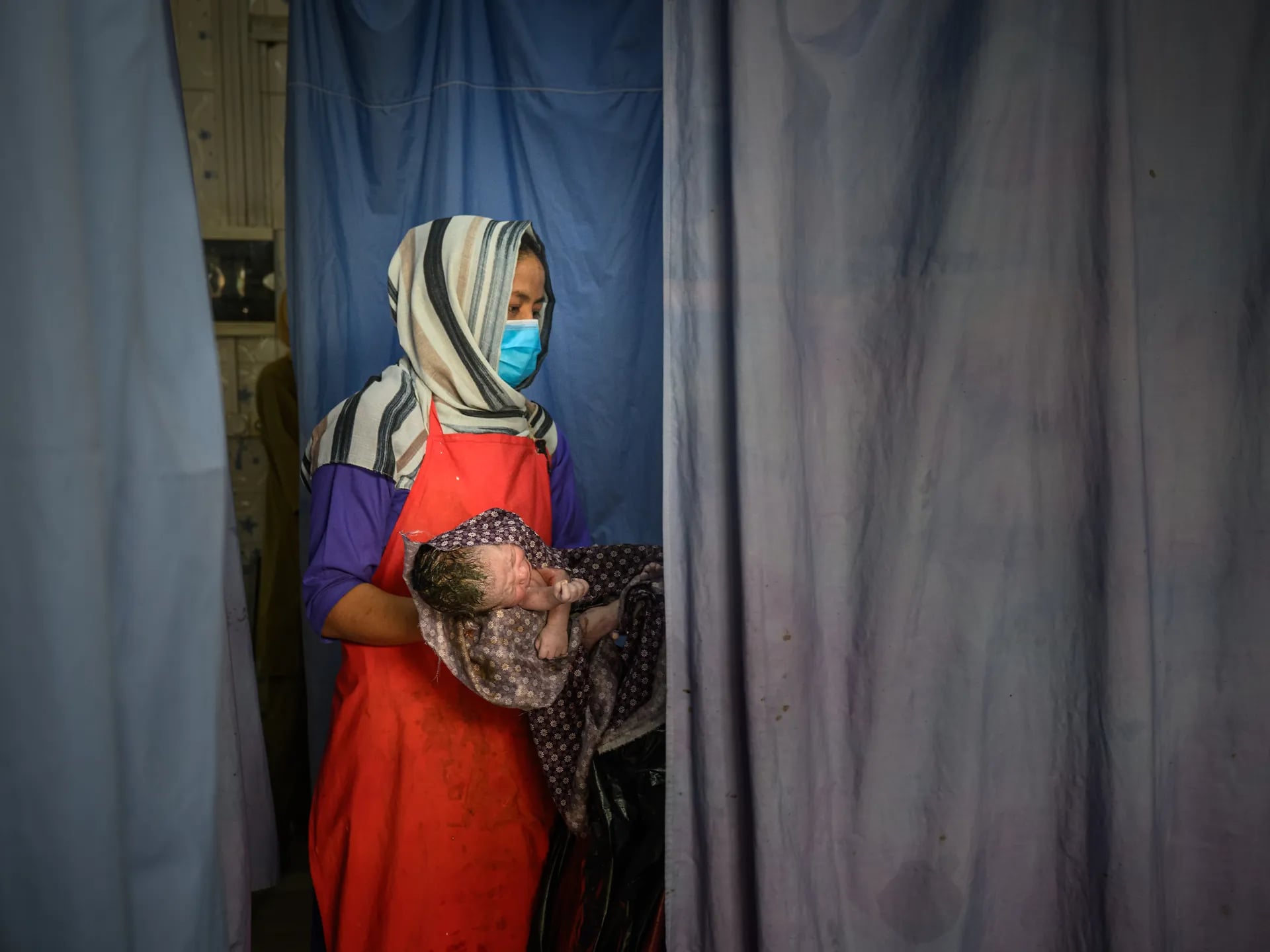
The global landscape for women, children, and adolescents is deteriorating rapidly, pushing essential health services to a perilous breaking point. A complex interplay of reduced international aid, crippling national debt burdens, and escalating conflicts across numerous regions is dismantling decades of hard-won progress in maternal and child health. This multifaceted crisis is not merely a setback; it represents a profound failure of global responsibility, threatening the well-being and future prospects of an entire generation. From the fragile lives of newborns to the critical developmental stages of adolescents, the foundations of health and resilience are being eroded, demanding an urgent and coordinated international response to avert a humanitarian catastrophe.
The Erosion of International Aid
For years, international development aid has served as a critical lifeline for low-income countries, bolstering their capacity to provide essential health services, implement vaccination campaigns, and address nutritional deficiencies. However, a concerning trend of aid cuts, often driven by economic downturns or shifting geopolitical priorities in donor nations, is now having devastating consequences. When funding streams diminish, the immediate impact is felt in the most vulnerable communities. Clinics face shortages of vital medicines and equipment, healthcare workers go unpaid or are laid off, and preventative health programs, such as immunization drives and prenatal care initiatives, are scaled back or entirely suspended. This reduction in support directly translates into increased preventable deaths among mothers and children, a rise in malnutrition, and a weakening of the very health infrastructures designed to protect them. The ripple effect extends beyond immediate medical care, impacting health education and community outreach programs that are crucial for long-term well-being and disease prevention.
The Crushing Weight of Debt
Compounding the challenge of dwindling aid is the escalating burden of sovereign debt, particularly in many developing nations. Governments, grappling with massive external debts and rising interest rates, are increasingly forced to prioritize debt servicing over essential public services. This fiscal squeeze means that funds desperately needed for healthcare, education, and social protection are diverted, leaving national health systems underfunded and overstretched. Hospitals struggle to maintain facilities, purchase necessary supplies, and retain skilled medical professionals who often seek opportunities elsewhere due to poor remuneration and working conditions. The lack of investment in health infrastructure and human resources creates a vicious cycle: poor health outcomes lead to reduced productivity, further hindering economic growth and making debt repayment even more challenging. Women and children, who rely heavily on public health services, bear the brunt of these austerity measures, experiencing reduced access to quality care at critical junctures of their lives.
Conflict's Devastating Toll
Perhaps the most immediate and brutal threat to the health of women, children, and adolescents comes from the proliferation and intensification of armed conflicts worldwide. Wars and protracted crises not only directly cause injury and death but also systematically dismantle the fabric of society, including its health systems. Hospitals are bombed, clinics are looted, and healthcare workers are targeted or forced to flee, leaving vast populations without access to even basic medical attention. Displacement on a massive scale creates overcrowded, unsanitary conditions in refugee camps and informal settlements, becoming breeding grounds for infectious diseases. For women, conflict exacerbates risks of sexual violence, complicates pregnancies, and denies access to safe childbirth facilities, leading to higher rates of maternal and neonatal mortality. Children are particularly vulnerable to malnutrition, trauma, and the disruption of routine immunizations, making them susceptible to preventable illnesses. Adolescents, caught between childhood and adulthood, face unique mental health challenges, lack of educational opportunities, and heightened risks of exploitation and forced recruitment.
An Interconnected Crisis with Dire Consequences
These three formidable challenges—aid cuts, debt, and conflict—do not operate in isolation; they are deeply interconnected, forming a reinforcing loop that pushes global health systems to the precipice. A nation embroiled in conflict often sees its economy collapse, leading to increased debt and making it less attractive for international aid. Simultaneously, reduced aid can weaken a country's ability to respond to internal strife or recover from conflict, perpetuating instability. The cumulative effect is a catastrophic decline in health indicators that had shown steady improvement for decades. We are witnessing a resurgence of preventable diseases, a rise in maternal and child mortality rates, and a widening gap in access to essential services. Reproductive health services, crucial for women's autonomy and well-being, are often the first to be cut, leading to unintended pregnancies and unsafe abortions. The mental health burden on adolescents, already navigating complex developmental stages, is immense, with limited access to support services.
Reversing Progress and Jeopardizing the Future
The consequences of this escalating crisis extend far beyond immediate suffering and mortality. Failing to invest in the health and well-being of women, children, and adolescents today means compromising the human capital of tomorrow. Children who survive but suffer from malnutrition or lack proper healthcare are more likely to experience stunted physical and cognitive development, impacting their educational attainment and future economic productivity. Adolescents denied access to education and health services are less equipped to contribute meaningfully to their societies, perpetuating cycles of poverty and inequality. This systemic neglect undermines the very foundation of sustainable development, jeopardizing global efforts to achieve the Sustainable Development Goals related to health, education, and gender equality. The long-term societal and economic costs of this neglect will far outweigh the investments required to address the current emergency.
A Global Imperative for Action
Addressing this multifaceted crisis requires a renewed and robust commitment from the international community. It necessitates a multi-pronged approach that includes reversing the trend of aid cuts and increasing financial support for health systems in vulnerable nations. Furthermore, significant steps towards comprehensive debt relief and restructuring are essential to free up fiscal space for governments to invest in their people. Alongside these financial measures, intensified diplomatic efforts for peacebuilding and conflict resolution are paramount to create safe environments where health services can be delivered effectively and sustainably. Building resilient health systems that can withstand shocks, investing in primary healthcare, and prioritizing the specific needs of women, children, and adolescents must be at the forefront of global health agendas. This is not merely an act of charity but a strategic investment in global stability, human rights, and shared prosperity. The world cannot afford to fail its most vulnerable populations; their health and future are inextricably linked to the health and future of all.
Support Nivaran Foundation's global efforts to strengthen health systems and protect vulnerable populations worldwide.
Talk to Nivaran Global