
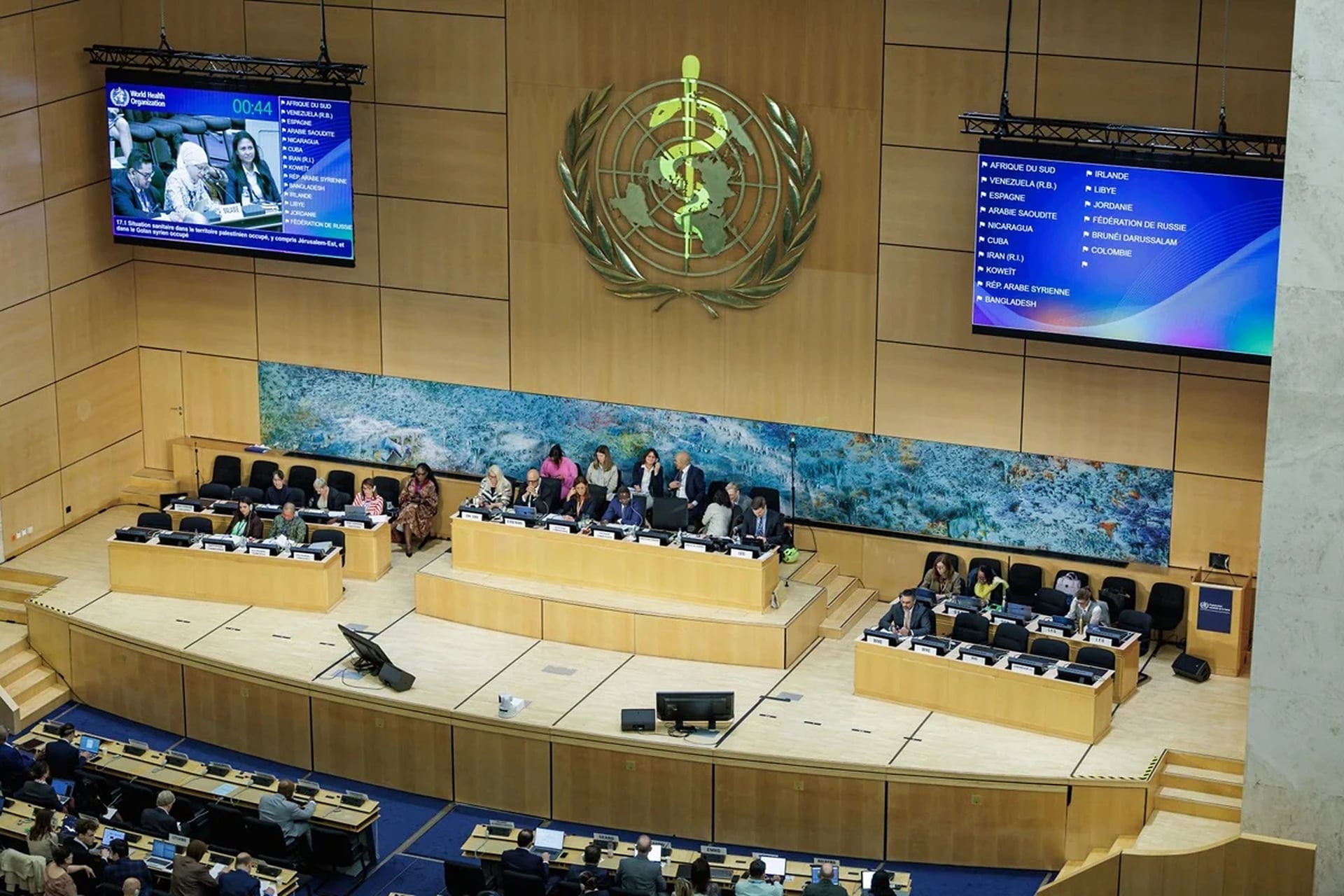
The 79th World Health Assembly (WHA), a pivotal global forum for health governance, convened on May 21, 2026, marking another critical juncture in international efforts to address the world’s most pressing health challenges. Delegates from member states, alongside experts and stakeholders, engaged in extensive discussions aimed at shaping future health policies and strategies. The day’s agenda was particularly robust, focusing on a spectrum of issues ranging from fortifying global health security against future pandemics to advancing universal health coverage and tackling the escalating impact of climate change on human well-being. This annual gathering, held under the auspices of the World Health Organization (WHO), serves as the supreme decision-making body for global health, translating scientific consensus and political will into actionable frameworks for nations worldwide.
A central theme dominating the day’s deliberations was the imperative to strengthen global pandemic preparedness and response mechanisms. Building on lessons learned from recent health crises, member states emphasized the urgent need for a more equitable and robust international framework. Discussions revolved around the proposed Pandemic Accord, a legally binding instrument designed to enhance global cooperation in preventing, preparing for, and responding to potential pandemics. Delegates underscored the critical importance of fair access to vaccines, diagnostics, and therapeutics, particularly for low-income nations, to prevent a repeat of the disparities witnessed during previous outbreaks. The dialogue also touched upon the necessity of improved surveillance systems, rapid information sharing, and sustainable financing models to ensure that all countries possess the capacity to detect and respond to emerging threats effectively. Experts highlighted the interconnectedness of global health, stressing that no nation can truly be safe until all nations are secure against health emergencies. The consensus pointed towards a collective responsibility to invest in resilient health infrastructures and a well-trained health workforce capable of rapid deployment and effective intervention during crises.
Furthering the commitment to health equity, the Assembly dedicated significant time to reviewing progress and persistent obstacles in achieving Universal Health Coverage (UHC). Member states reaffirmed UHC as a fundamental human right and a cornerstone of sustainable development. Discussions explored innovative financing strategies to reduce catastrophic out-of-pocket health expenditures, which continue to push millions into poverty annually. The focus was heavily placed on strengthening primary healthcare (PHC) systems, recognizing them as the bedrock of UHC. Delegates shared national experiences and best practices in expanding access to essential health services, including maternal and child health, immunization programs, and basic curative care. The importance of integrating mental health services into PHC was also a prominent point of discussion, acknowledging the growing global burden of mental health conditions and the need for accessible, destigmatized care. Challenges such as health workforce shortages, particularly in rural and underserved areas, and the equitable distribution of essential medicines and technologies, were thoroughly examined, with calls for increased international cooperation and investment in human resources for health.
The profound and accelerating impact of climate change on global health emerged as another critical area of focus. Delegates deliberated on the multifaceted ways environmental degradation and extreme weather events are exacerbating existing health vulnerabilities and creating new ones. Discussions highlighted the increased prevalence of vector-borne diseases due to shifting climatic zones, the health consequences of air pollution, and the mental health toll of climate-induced disasters and displacement. Member states shared strategies for building climate-resilient health systems, including developing early warning systems for climate-sensitive health risks, ensuring access to clean water and sanitation amidst environmental changes, and promoting sustainable healthcare practices. The Assembly underscored the need for health sectors to play a more proactive role in advocating for climate action and integrating health considerations into national climate policies. This session emphasized that addressing climate change is not merely an environmental imperative but a public health emergency requiring urgent, coordinated global action.
Beyond these overarching themes, the Assembly also addressed specific disease burdens and public health challenges. The ongoing fight against Non-Communicable Diseases (NCDs) received considerable attention, with discussions centering on effective prevention strategies, early diagnosis, and access to affordable treatment for conditions like cardiovascular diseases, diabetes, cancer, and chronic respiratory illnesses. Delegates explored policy interventions to reduce risk factors such such as tobacco use, harmful alcohol consumption, unhealthy diets, and physical inactivity. The critical role of public health education and community engagement in promoting healthier lifestyles was emphasized. Furthermore, efforts to combat communicable diseases, including persistent threats like HIV/AIDS, tuberculosis, and malaria, alongside emerging infectious diseases, were reviewed. The Assembly called for renewed commitment to research and development for new diagnostics, vaccines, and treatments, especially for diseases disproportionately affecting vulnerable populations. The discussions highlighted the importance of integrated disease surveillance and response systems, capable of identifying and containing outbreaks before they escalate into wider epidemics.
The role of digital health technologies in transforming healthcare delivery and improving public health outcomes was also a significant topic. Delegates explored how innovations in telemedicine, artificial intelligence, and big data analytics could enhance access to care, improve diagnostic accuracy, and strengthen disease surveillance. However, the discussions also acknowledged the challenges associated with digital health, including ensuring data privacy and security, bridging the digital divide to ensure equitable access, and developing appropriate regulatory frameworks. The Assembly stressed the importance of leveraging technology responsibly and ethically to support health systems, rather than allowing it to widen existing health disparities.
Finally, the Assembly turned its attention to the foundational elements of health systems: the health workforce and sustainable financing. Recognizing that a robust, well-supported health workforce is indispensable for achieving any global health goal, delegates discussed strategies for addressing critical shortages, particularly in primary care and specialized fields. This included calls for increased investment in health worker education and training, fair remuneration, and improved working conditions to prevent brain drain from vulnerable regions. The debate on sustainable financing underscored the need for both domestic investment and international solidarity. Member states explored innovative financing mechanisms, partnerships with the private sector, and the importance of aligning global health funding with national health priorities to ensure long-term impact and sustainability. The consensus was clear: sustained political commitment and adequate financial resources are paramount to translating the Assembly’s resolutions into tangible improvements in global health.
The 79th World Health Assembly’s daily update from May 21, 2026, painted a comprehensive picture of a global community grappling with complex, interconnected health challenges. The discussions underscored a shared understanding that global health security, universal health coverage, and climate resilience are not isolated objectives but deeply intertwined facets of human well-being. The collective resolve demonstrated by member states reflects a growing recognition that collaborative action, equitable resource distribution, and sustained political will are the only pathways to building a healthier, more secure future for all. The outcomes of these deliberations are expected to guide national health policies and international cooperation for the coming year, setting a crucial agenda for global health progress.
Support Nivaran Foundation's global health reporting to keep communities informed about vital international health initiatives.
Talk to Nivaran Global