
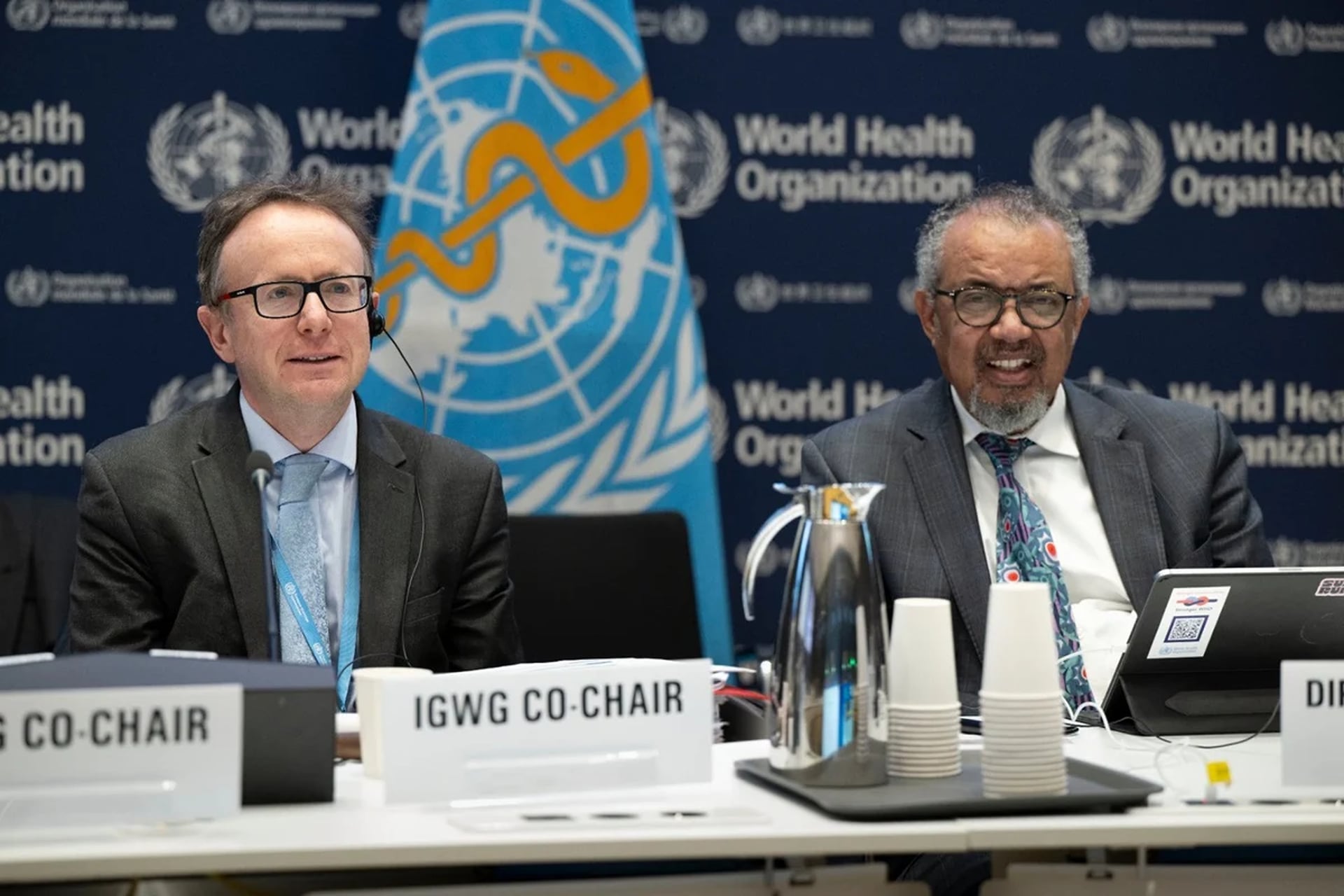
In a significant development for global health governance, Member States of the World Health Organization (WHO) have unanimously agreed to extend negotiations on the critical Pathogen Access and Benefit Sharing (PABS) annex to the proposed WHO Pandemic Agreement. This decision, reached after intensive discussions, underscores the complexity and profound importance of establishing a robust, equitable framework for future pandemic responses. The extension will allow delegates additional time for deliberation, with discussions set to resume in late April, just weeks before the annex is scheduled for consideration by the World Health Assembly (WHA) in May.
The Pandemic Agreement represents a landmark effort to address the systemic failures and inequities exposed during the COVID-19 pandemic. Its overarching goal is to foster a more coordinated, equitable, and effective global response to future health emergencies. At its core, the agreement seeks to ensure that all nations, regardless of their economic standing, have fair access to the tools needed to combat pandemics, including vaccines, therapeutics, diagnostics, and essential medical supplies. The PABS annex is widely considered one of the most pivotal components of this ambitious treaty, as it directly tackles the contentious issues of pathogen sharing and the equitable distribution of benefits derived from such sharing.
The concept of Pathogen Access and Benefit Sharing is fundamental to global health security. It posits a reciprocal relationship: countries experiencing outbreaks must promptly share pathogen samples and genetic sequence data with the international scientific community. In return, the global community must ensure that the benefits arising from research and development based on these pathogens—such as vaccines, treatments, and manufacturing know-how—are shared equitably with all nations, particularly those that contributed the initial samples and those with limited production capacities. This mechanism aims to prevent a repeat of the 'vaccine nationalism' and vast disparities in access that characterized the early phases of the COVID-19 pandemic, where high-income countries secured the lion's share of critical supplies, leaving many low- and middle-income nations struggling.
The historical context for these negotiations is steeped in lessons learned from past global health crises. The H1N1 influenza pandemic in 2009, for instance, highlighted significant imbalances in vaccine distribution, prompting calls for a more structured approach to benefit sharing. The COVID-19 pandemic amplified these concerns exponentially, revealing deep-seated inequities in research, development, manufacturing, and distribution of health products. Many nations, especially in the Global South, felt marginalized and disadvantaged, leading to a renewed global push for a legally binding instrument that would enshrine principles of solidarity and equity. The PABS annex is designed to be the operational heart of this commitment.
However, reaching consensus on the PABS annex has proven to be a formidable challenge. The negotiations involve navigating a complex web of national interests, intellectual property rights, technology transfer mechanisms, and sovereign control over biological resources. Key points of contention include the scope and nature of mandatory pathogen sharing, the specific mechanisms for benefit sharing (e.g., a percentage of vaccine doses, royalty-free licenses, technology transfer agreements), and the funding required to support these initiatives. Some nations advocate for robust, legally binding commitments to ensure equitable access, while others emphasize the need to protect innovation incentives and existing intellectual property frameworks. The delicate balance between these perspectives requires intricate diplomatic maneuvering and a willingness from all parties to compromise for the collective good.
The extension of these negotiations signifies a collective recognition among Member States that the stakes are too high to rush a flawed agreement. While some might view a delay as a setback, many delegates and global health advocates see it as an opportunity to strengthen the annex, ensuring it is comprehensive, effective, and truly equitable. A hastily concluded agreement, lacking broad consensus or containing ambiguous provisions, could undermine the entire Pandemic Agreement and fail to deliver on its promise of a fairer global health architecture. The additional time allows for deeper technical discussions, further political dialogue, and potentially the bridging of remaining divides.
Without a clear and enforceable PABS mechanism, the risk remains that future pandemics could once again expose the world to the same patterns of unequal access and fragmented responses. The ability of the global community to rapidly detect, share information about, and respond to novel pathogens hinges on trust and a shared understanding of responsibilities and benefits. The PABS annex aims to build this trust by creating a predictable and transparent system where countries are incentivized to share pathogens, knowing they will receive tangible benefits in return, thereby strengthening global surveillance and early warning systems.
Moreover, the negotiations extend beyond mere access to products; they delve into the critical area of technology transfer and local manufacturing capacity building. Many developing nations argue that true equity requires not just receiving finished products, but also acquiring the knowledge and capabilities to produce their own vaccines and therapeutics. This would reduce reliance on external suppliers and enhance regional resilience during health crises. Discussions around PABS therefore often encompass provisions for sharing manufacturing recipes, providing technical assistance, and investing in local production hubs, all of which are crucial for sustainable global health security.
As discussions resume in late April, the pressure will be immense to finalize a text that can garner widespread support. The World Health Assembly, scheduled for May, represents the critical deadline for the adoption of the entire Pandemic Agreement, including the PABS annex. The WHA, as the supreme decision-making body of the WHO, will ultimately determine the fate of this historic instrument. The success of these final negotiation rounds will depend on the political will of Member States to prioritize global solidarity over narrow national interests, recognizing that a threat to one nation's health security is a threat to all.
The outcome of these extended negotiations will have profound implications for how the world prepares for and responds to future pandemics. A robust and equitable PABS annex could fundamentally reshape global health cooperation, ensuring that the next time a novel pathogen emerges, humanity is better equipped to face it collectively and fairly. The Nivaran Foundation emphasizes the critical nature of these discussions, urging all stakeholders to work towards an agreement that truly safeguards the health and well-being of every individual, everywhere, by fostering genuine global solidarity and equitable access to life-saving resources.
Support Nivaran Foundation's independent global health reporting to illuminate critical discussions shaping our collective future.
Talk to Nivaran Global